The Harmonic Return: Jeremy Zuckerman’s Musical Odyssey for Avatar Aang: The Last Airbender
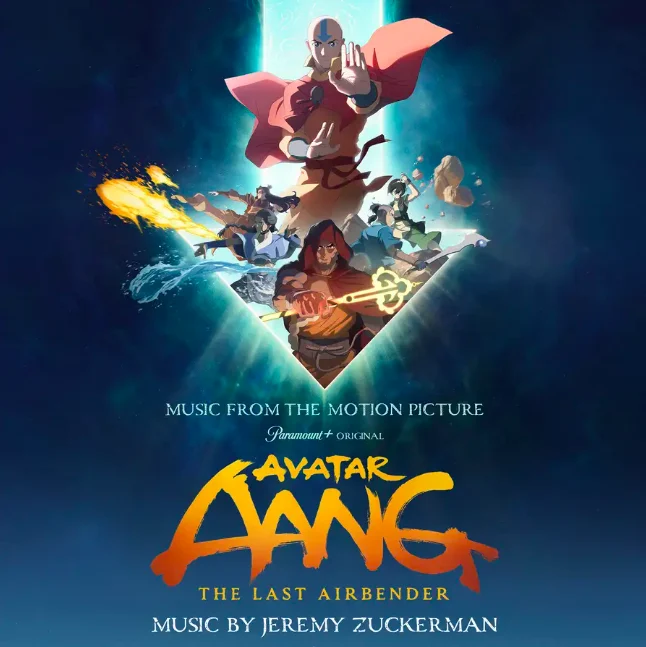
The sonic landscape of the Avatar universe is inextricably linked to the evocative, culturally resonant compositions of Jeremy Zuckerman. As the franchise prepares to expand its cinematic footprint with the highly anticipated animated feature Avatar Aang: The Last Airbender, fans and cinephiles alike have received confirmation that the emotional weight of this new chapter will once again be anchored by Zuckerman’s masterful touch.
With the soundtrack set for a digital release this Friday, July 24, via Milan Records, the industry is bracing for a return to the melodic motifs that defined a generation. This latest installment, produced by Avatar Studios and Nickelodeon Movies, marks a pivotal moment for the franchise, bridging the gap between nostalgic reverence and innovative storytelling.
The Master of the Elements: Jeremy Zuckerman’s Legacy
Jeremy Zuckerman’s contribution to the Avatar mythos cannot be overstated. Since the inception of the original animated series, his work has served as the heartbeat of the narrative, blending traditional Eastern instrumentation with orchestral grandeur to underscore the high-stakes journey of the Avatar.
Having crafted the sonic identities of both Avatar: The Last Airbender and its successor, The Legend of Korra, Zuckerman has developed a unique vernacular for the franchise. His ability to weave themes of spiritual growth, elemental conflict, and cultural heritage into a coherent musical fabric has made him an indispensable creative partner for the showrunners. Beyond the Avatar universe, Zuckerman has demonstrated his versatility across diverse projects, including Scream: The TV Series, Horse Girl, and The Playbook, further cementing his reputation as a composer capable of navigating complex tonal shifts.
His involvement in the upcoming Avatar: Seven Havens series suggests that his influence over the franchise’s auditory identity remains total. For Avatar Aang: The Last Airbender, Zuckerman has promised a score that honors the past while pushing the boundaries of what a modern animated feature soundtrack can achieve.
Chronology of a Global Quest
The narrative of Avatar Aang: The Last Airbender is structured as a sweeping epic, following the title character on a journey that threatens to redefine his understanding of his own history. Directed by Lauren Montgomery and co-directed by Steve Ahn and William Mata, the film centers on Aang’s discovery of an ancient power—a discovery that provides the only hope for preventing the extinction of his culture.
The film’s plot is a race against time, a global quest that forces Aang to rely heavily on his companions as they traverse the world to secure this power before it falls into the hands of antagonistic forces. The film arrives at a critical juncture for the franchise, serving as a flagship release for Avatar Studios.
- July 24: Digital release of the original soundtrack via Milan Records.
- July 24: Limited theatrical release in select markets.
- July 25: Global streaming premiere on Paramount+.
- Future: A dedicated vinyl edition is currently in production, promising a high-fidelity experience for collectors.
Supporting Data: An In-Depth Look at the Tracklist
The soundtrack features 36 distinct tracks, offering a comprehensive look at the film’s emotional trajectory. From the introspective "Aang’s Dream" to the climactic "Battle for Republic City," the tracklist acts as a narrative map for the film.
The Musical Arc
The composition of the album reflects the structural complexity of the film. Zuckerman utilizes specific tracks—such as "The Four Elements" and "Avatar State"—to signify moments of immense power, while pieces like "Under the Stars" and "Heal the Past" suggest the quiet, character-driven intimacy that has always been the hallmark of the series.
Tracklist Highlights:
- The Atmospheric: "Mount Baihu" (2:12) and "Lion Turtle Islands" (2:50) suggest the sprawling, mystical geography of the Avatar world.
- The Conflict: "Battle for Republic City" stands as the longest track on the album at 6:07, indicating a sequence of significant scale and technical complexity.
- The Emotional Core: "Sonam’s Song" (2:55) and "Aang Overcomes" (3:47) provide the necessary resolution to the film’s narrative arc, underscoring Aang’s development as a leader and a spiritual entity.
Official Responses and Creative Vision
The production of Avatar Aang: The Last Airbender has been marked by a collaborative spirit. The creative team, led by Lauren Montgomery, has been vocal about the importance of maintaining the integrity of the original series while utilizing the visual and auditory advancements afforded by a feature-length film budget.
"The music isn’t just background noise; it is a character in its own right," noted a representative from the production team. "Jeremy understands that the stakes for Aang are personal, cultural, and existential. Every note in this score was chosen to reflect the weight of the Avatar’s responsibility."
The cast, a star-studded ensemble featuring Eric Nam, Dave Bautista, Jessica Matten, Román Zaragoza, Steven Yeun, and Ke Huy Quan, has praised the immersive nature of the production. The combination of such a high-caliber cast with Zuckerman’s score is intended to provide a cinematic experience that appeals to both long-time fans who grew up with the original series and a new generation of viewers discovering the world of bending for the first time.
Implications for the Franchise
The release of this film and its accompanying soundtrack represents a "make-or-break" moment for the expanded Avatar universe. By moving from television to a high-profile theatrical and streaming hybrid model, Nickelodeon and Avatar Studios are signaling a long-term commitment to the franchise.
The Economic and Cultural Impact
- Market Expansion: The success of the film on Paramount+ will likely determine the pace of development for future projects, including the aforementioned Seven Havens series.
- Transmedia Storytelling: By releasing a detailed soundtrack alongside the film, the studio is treating Avatar as a premium franchise on par with major live-action blockbusters. The inclusion of a vinyl release speaks to the "fandom culture" that views these scores as essential pieces of media art.
- Standardization of Quality: The consistent use of Zuckerman ensures a "sonic brand" that audiences trust. In an era of fragmented entertainment, the ability to maintain a consistent creative voice across a decade-long project is a significant achievement in franchise management.
The Future of "Avatar" Sound
As the industry watches the reception of Avatar Aang: The Last Airbender, the primary takeaway is the continued importance of the "composer-director" relationship. Zuckerman’s involvement provides a sense of continuity that stabilizes the transition into new formats. If the film succeeds, it will likely pave the way for more orchestral, thematic scores in animated features—a genre that has occasionally trended toward pop-infused soundtracks.
In conclusion, the soundtrack to Avatar Aang: The Last Airbender is more than just a collection of songs; it is a testament to the enduring power of the Avatar universe. As listeners prepare to dive into the 36 tracks curated by Jeremy Zuckerman, they are not just hearing music—they are hearing the evolution of a legend. Whether through the pulse-pounding tension of "The Immortal Storm" or the gentle reflection of "Tagah’s Tale," this album promises to be a vital addition to any fan’s library.
The digital release this Friday is the first step in what promises to be a long-lasting celebration of this new cinematic chapter. Fans are encouraged to keep a close eye on the official channels for the streaming links and further details regarding the highly anticipated physical vinyl release. As the wind gathers, one thing is certain: the legacy of the Avatar is in good, and very musical, hands.