The Jigsaw Legacy Continues: Mike P. Nelson Tapped to Direct Next Chapter of the Iconic ‘Saw’ Franchise
In a move that signals both a return to form and a bold step into the future for one of horror cinema’s most enduring properties, Lionsgate has officially announced that filmmaker Mike P. Nelson will helm the next installment of the Saw franchise. The project, a high-profile collaboration between Lionsgate and the combined powerhouses of Blumhouse and Atomic Monster, marks a significant milestone in the evolution of the billion-dollar series.
With franchise architect James Wan returning to oversee the production, the announcement serves as a promise to fans that the series—famous for its intricate traps and moral conundrums—is being shepherded by those who understand its DNA best.
The Architect Returns: A New Era for Jigsaw
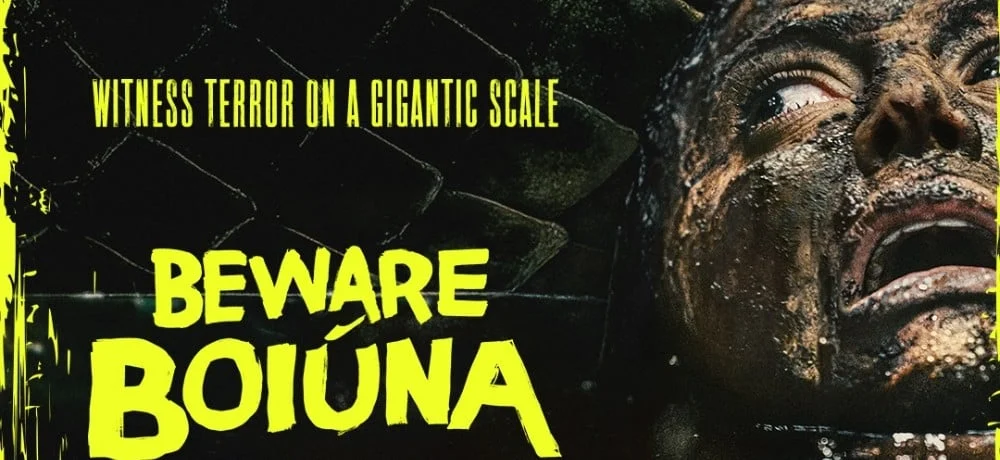
The decision to bring Mike P. Nelson into the fold follows the critical and industry buzz surrounding his latest feature, Beware Boiúna. Lionsgate’s trust in Nelson is palpable; by entrusting him with the Saw property, the studio is signaling a desire to blend the raw, visceral tension that defined the 2004 original with the modern, high-concept sensibilities that have come to define contemporary horror.
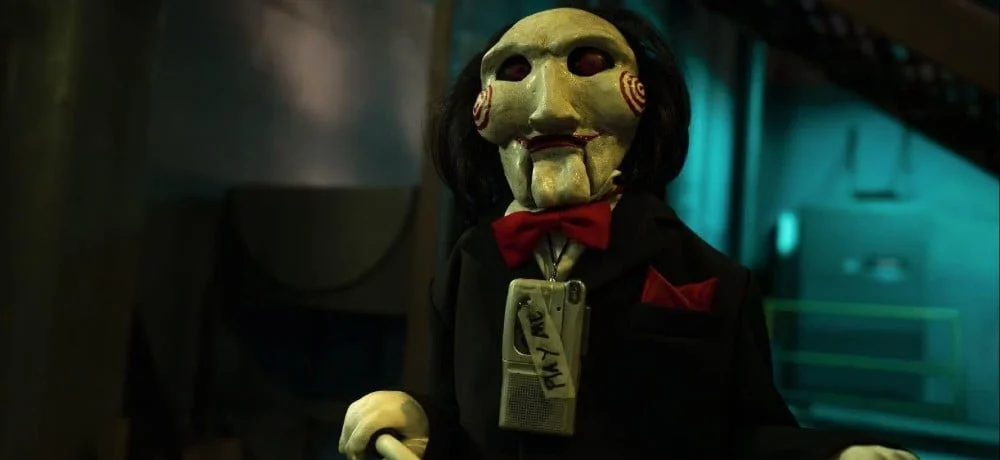
The upcoming film, currently untitled, is being penned by the duo of Gregory Weidman and Geoff Tock, known for their work on Below and Dune: Prophecy. The production team is equally impressive, featuring a powerhouse triumvirate of producers: James Wan, Jason Blum, and Leigh Whannell. This reunion of the original creative minds behind the 2004 Saw is intended to ground the new film in the series’ roots, ensuring that the legacy of John Kramer remains intact while expanding the franchise’s brutal, imaginative boundaries.
A Chronology of Terror: The ‘Saw’ Phenomenon
To understand the significance of this announcement, one must look at the history of the Saw franchise. What began as a low-budget, high-concept independent feature—shot in a cramped, claustrophobic bathroom—transcended its humble origins to become a global cultural touchstone.
The 2004 Genesis
Premiering in the Midnight section of the 2004 Sundance Film Festival, the original Saw was a revelation. Directed by James Wan and written by Leigh Whannell, the film introduced the world to Jigsaw, a killer whose methods were not fueled by simple sadism, but by a twisted moral philosophy. The film’s success spawned an unprecedented run of sequels, making it the longest-running theatrical horror franchise with a single, continuous mythology.
Unlike many of its contemporaries, Saw has avoided the common pitfalls of the genre: it has never undergone a reboot, a remake, or a resetting of the canon. Every entry—from the original to the recent, more surgical installments—exists within the same timeline, a feat that has earned the franchise a fiercely loyal fanbase and a unique place in the history of cinema.
Evolution and Adaptation
Over the last two decades, the franchise has shifted gears multiple times. It moved from the gritty, psychological thrillers of the early 2000s to the elaborate, high-budget spectacle traps of the middle era, and most recently, back to the character-driven narrative focus. By bringing in Mike P. Nelson, the studio is looking to bridge these eras, utilizing a director who has proven his capability in navigating established intellectual property without losing his own creative voice.
Supporting Data: Why Mike P. Nelson?
Mike P. Nelson’s appointment is not an arbitrary choice. The director has built a reputation as a master of tension, suspense, and character-driven horror. His filmography reflects a filmmaker who understands the weight of a legacy brand while possessing the ambition to push it into new, uncharted territory.
His previous work includes:
- Wrong Turn (2021): A reboot that managed to capture the grit of the original while modernizing the aesthetic for a new generation.
- V/H/S/85: Nelson’s segment in this anthology was widely praised for its practical effects and high-stakes atmosphere.
- Sweet Revenge: A short film that notably brought the iconic Jason Voorhees back to life in a way that resonated deeply with horror purists.
- Beware Boiúna: Currently making the festival rounds at Fantastic Fest and Beyond Fest, this project has solidified Nelson’s standing as a "promising voice" in the horror community.
The choice of Nelson reflects a strategic shift toward directors who prioritize the "human" element of horror—ensuring that the traps are not just clever, but emotionally impactful.
Official Responses: A Vision for the Future
The excitement surrounding the announcement was echoed by the studio’s leadership and the creative team.
Adam Fogelson, chair of the Lionsgate Motion Picture Group, highlighted the symmetry of the announcement: "It speaks volumes that James Wan is passionate about returning to this franchise, and his belief in Mike evokes his own breakthrough with the original Saw. Mike is one of the promising voices shaping the next generation of horror. He has a singular vision for this film, and we’re incredibly confident in what he’ll deliver."
James Wan, whose return as producer is perhaps the most significant aspect of this news, expressed his commitment to maintaining the franchise’s integrity: "Making the original Saw was a defining experience for me, so it was essential to find a director who would honor that world. Mike has a raw, distinctive filmmaking voice with an inventive approach to the genre, and I believe he’ll bring something truly unique and special to the franchise."
For his part, Mike P. Nelson seems eager to dive into the "twisted sandbox." In a statement, he noted: "Being asked to play in this twisted sandbox with James is nothing short of a dream come true. Greg and Geoff and James have crafted such a wild script that brings the mystery of the original while exploring new insane bloody ideas that meld so well with the brutal moral compass of the franchise. Let the games begin!"
Implications: What This Means for the Franchise
The implications of this announcement are twofold. First, it cements the Saw franchise as an evergreen property. By bringing in a director who understands the balance between the "mystery" of the original film and the "insane bloody ideas" of later entries, the studio is signaling that the series will continue to evolve rather than stagnate.
Second, the collaboration between Lionsgate, Blumhouse, and Atomic Monster represents a consolidation of power in the horror genre. By pooling the resources and creative expertise of these three entities, the next Saw film is poised to have the production value of a major blockbuster while retaining the grimy, indie-horror spirit that made the first film a classic.
The Return of the Moral Compass
The mention of a "brutal moral compass" in Nelson’s statement suggests that the next film will return to the philosophical roots of the franchise. Fans have often pointed to the "Jigsaw philosophy"—the idea that people must be forced to appreciate their lives—as the core engine of the series. If Nelson, Weidman, and Tock can successfully blend this thematic depth with the inventive, modern trap sequences expected by audiences, the upcoming film could potentially reach the heights of the early franchise successes.
A Test for the Next Generation
Finally, this move is a litmus test for the industry. In an era where many horror franchises rely on reboots and nostalgia-bait, the Saw franchise remains an anomaly: a continuous, sprawling, complex narrative. If the new film succeeds, it proves that audiences are still hungry for long-form horror storytelling that doesn’t rely on resetting the clock.
As pre-production ramps up, the horror community will undoubtedly keep a close watch on the development of this film. With the original mastermind, James Wan, back at the helm and a hungry, talented director like Mike P. Nelson in the chair, the next chapter of the Jigsaw legacy looks to be as sharp, and as deadly, as ever. For those who have followed the series from that first, desperate moment in a tiled bathroom in 2004, the message is clear: the game is far from over.