The Unfortunate Eclipse: Why ‘Panji Tengkorak’ Became a Forgotten Legend of 2025
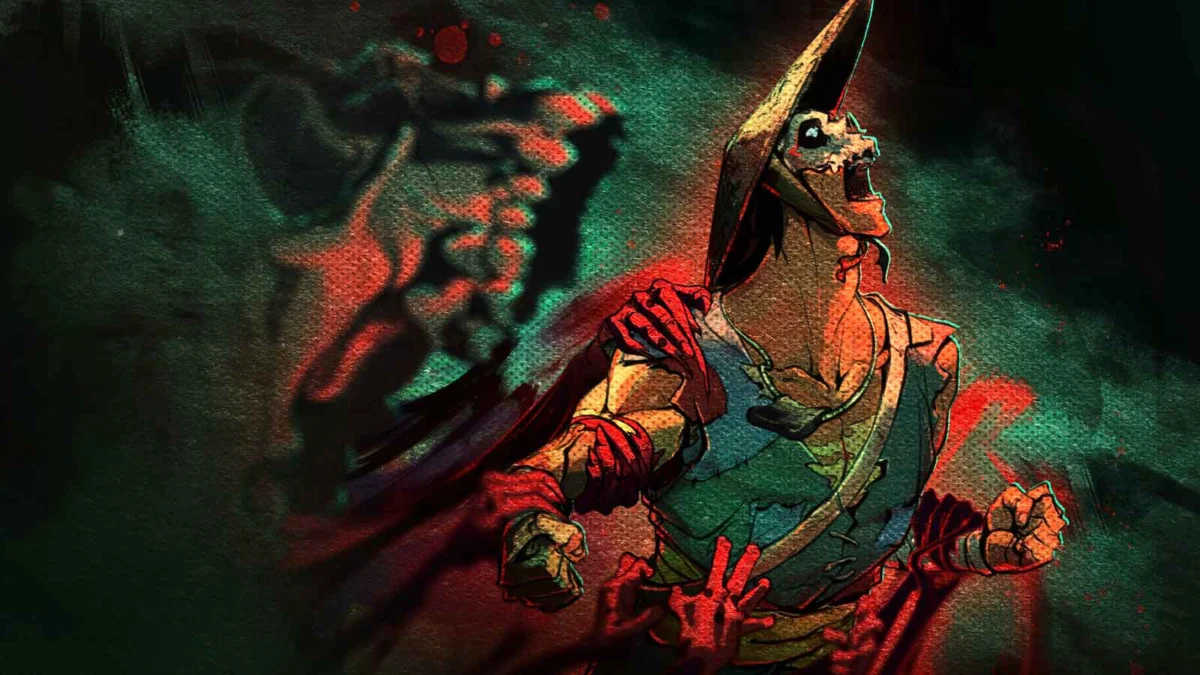
The Indonesian animation industry has long been a battlefield of ambition, talent, and harsh commercial reality. In late August 2025, the highly anticipated feature film Panji Tengkorak, directed by Daryl Wilson, entered this arena with high hopes. Yet, within less than a month of its release, the film vanished from cinema screens, leaving behind a trail of unanswered questions. With a dismal performance of fewer than 17,000 tickets sold in its first three days, the project—a grand reimagining of Hans Jaladara’s iconic 1968 anti-hero—suffered a premature exit that has sparked debate among critics and industry observers.
The Perfect Storm: Why the Film Stumbled
The failure of Panji Tengkorak was not necessarily a reflection of its quality, but rather a tragic convergence of timing and competition. Industry analysts point to two primary factors that crippled the film’s box office potential.
First, the film’s release on August 28, 2025, coincided with a period of severe social unrest in Indonesia. Massive demonstrations erupted nationwide to protest legislative overreach by the House of Representatives. The atmosphere of the country was heavy, with public attention fixated on the streets. Tragically, the night of the premiere was marred by the death of activist Affan Kurniawan, who lost his life during the chaos. In such a volatile socio-political climate, the luxury of leisure and cinema-going became a secondary concern for the masses.
Second, the film faced an insurmountable wall of competition from international heavyweights. The Japanese animated blockbuster Demon Slayer: Infinity Castle had debuted on August 15, generating 461,000 viewers on its opening day alone and crossing the 2.2 million mark within 72 hours. By the time Panji Tengkorak arrived, the market was already saturated, and audiences were flocking to established global franchises, leaving little room for local animation to find its footing.
A Legacy Reimagined: From Comic Panels to Modern Screens
The story of Panji is deeply embedded in the cultural fabric of Indonesia. Born from Hans Jaladara’s 1968 comic book, the character has seen iterations in 1971 and 1983 films, and a 1990s television series. For many, including this writer, the allure of the character was passed down through generations—a story of a man haunted by the murder of his beloved, Murni, and his subsequent descent into the dark arts to seek vengeance.
Daryl Wilson’s adaptation, written by Theo Arnoldy and Agung Prasetiarso, condensed this rich, decades-old lore into a 94-minute narrative. The film successfully maintained the core essence of the anti-hero: a man defined by apathy, moral ambiguity, and a relentless, selfish drive for retribution. While the film attempts to modernize the protagonist for Gen-Z and Millennial audiences familiar with Western anti-hero tropes like Deadpool, it occasionally falters by forcing a "conscience" onto the character in the final act, which some argue undermines the very nihilistic spirit that makes Panji compelling.
The Subtle Power of Gossip: An Anthropological Lens
One of the most intriguing elements of the film is its use of "gossip" as a narrative device. In the film, a minor character named Kuwuk acts as the town gossip, spreading rumors about the mysterious warrior from the south. While some critics dismissed these scenes as filler, they serve a profound sociological function.
Drawing on James C. Scott’s Weapons of the Weak: Everyday Forms of Peasant Resistance (1985), we can view this gossip as a form of "everyday resistance." In a world dominated by powerful, violent figures, the act of talking—of shaping the narrative—becomes a way for the powerless to exert influence. Anthropologist Niko Besnier, in Gossip and the Everyday Production of Politics (2009), highlights how gossip functions similarly to formal political discourse in maintaining or dismantling hierarchies. By placing gossip at the heart of the storytelling, Panji Tengkorak taps into the very real way Indonesians process trauma and power dynamics. It is an authentic, albeit subtle, touch that roots the film firmly in the Indonesian experience.
The Technical Landscape: Animation Style and Identity
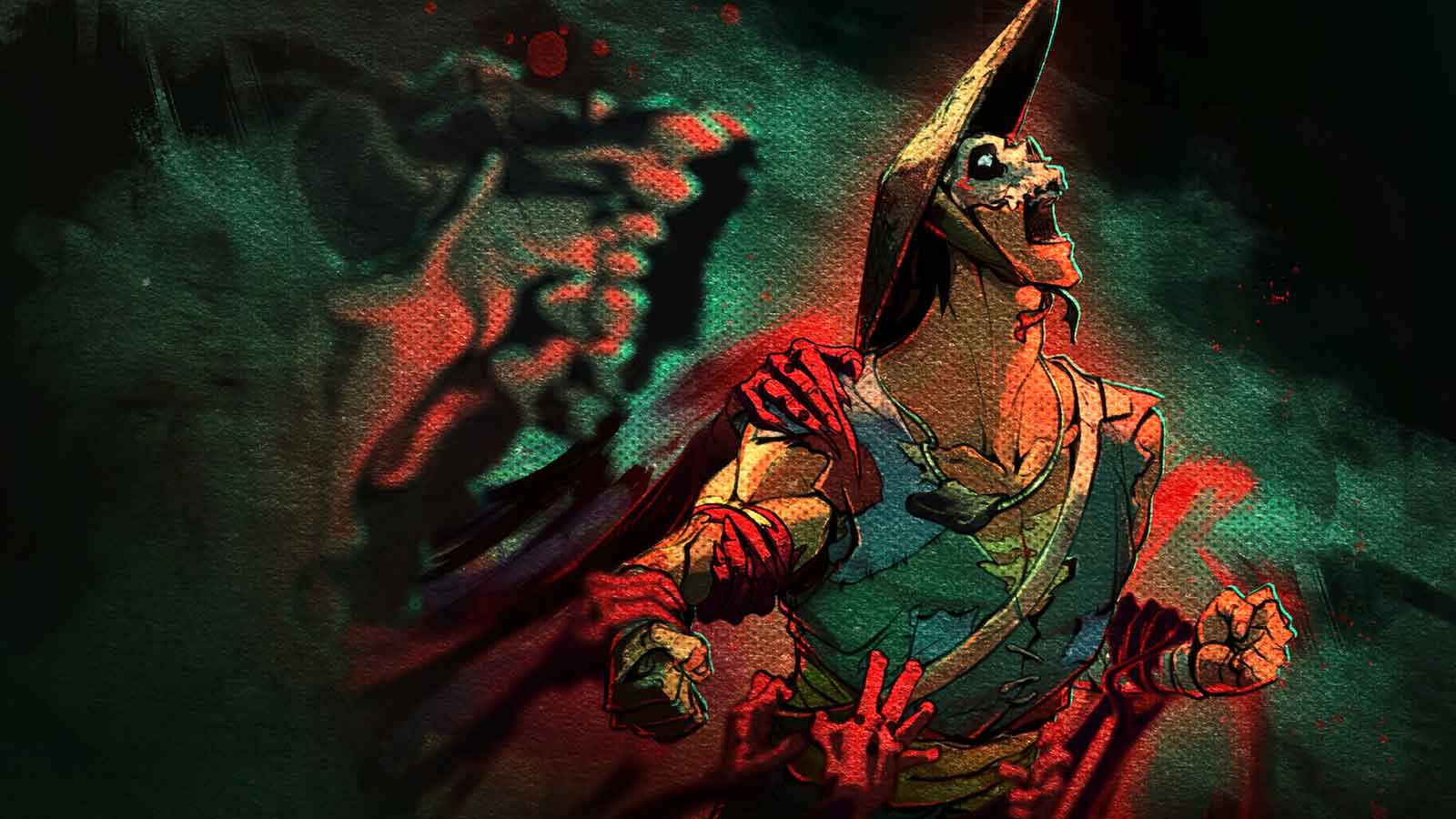
A critical debate currently raging in the Indonesian animation industry is the quest for a distinct "national style." Unlike the 3D-animated Jumbo, which found success, Panji Tengkorak opted for a 2D approach. The comparison to Avatar: The Last Airbender has been unavoidable, a comparison even acknowledged by lead voice actor Denny Sumargo.
While some might see this stylistic similarity as a lack of originality, it represents a necessary negotiation. Creating a distinct visual language from scratch is a Herculean task, especially with limited resources. By adopting a 2D aesthetic that is familiar yet tailored to represent Indonesian archetypes—the architecture, the clothing, and the local temperament—the production team achieved a high level of visual fidelity. The 250 creators who dedicated a year to this project deserve credit for crafting a world that feels undeniably ours, even if it borrows the brushstrokes of international masters.
The Future of Local Animation: Seeking a New Perspective
The failure of Panji Tengkorak to capture the box office should not be read as a sign of creative bankruptcy. Instead, it highlights the structural vulnerabilities of the industry. The film was a victim of timing, but it also prompts us to ask: what is the end goal of Indonesian animation?
We must move beyond the "Disney-fication" or "Ghibli-fication" of our stories. There is a pressing need for a "Global South" perspective—a decolonization of aesthetics where we tell stories not through the lens of Western exoticism, but through the lived reality of our own culture. We need to move away from being tourists in our own history.
Lessons Learned and the Path Forward
The Panji Tengkorak experience is a cautionary tale for local studios. To succeed in a globalized market, high-quality animation is no longer enough; one must master the art of strategic release and audience engagement.
Despite its flaws—such as the jarring, misplaced use of the song "Bunga Terakhir" as a soundtrack—Panji Tengkorak remains a significant piece of work. It is a film that dared to be an anti-hero in a market that demands clean-cut, family-friendly heroes. It is a film that understood the power of the spoken word and the importance of our own myths.
As we look toward the future, the industry must nurture a space where films like Panji Tengkorak can breathe. If we continue to treat our local stories with the same casual dismissal as the "gossip" in the film, we risk losing more than just box office revenue—we risk losing the very identity we are so desperate to animate. It is time for us to keep "gossiping" about the warrior from the South, and more importantly, it is time for us to show up for the stories that hold up a mirror to who we really are.
Production Notes:
- Panji Tengkorak
- Release Year: 2025
- Duration: 118 minutes (Total runtime including credits)
- Director: Daryl Wilson
- Screenplay: Theo Arnoldy, Hans Djaladara, Agung Prasetiarso
- Production Houses: Falcon Pictures, Kumata Animation Studio
- Cast: Denny Sumargo, Donny Damara, Cok Simbara, Aghniny Haque, Tanta Ginting, Aisha Nurra Datau, Donny Alamsyah, Pritt Timothy, Revaldo, Candra Mukti