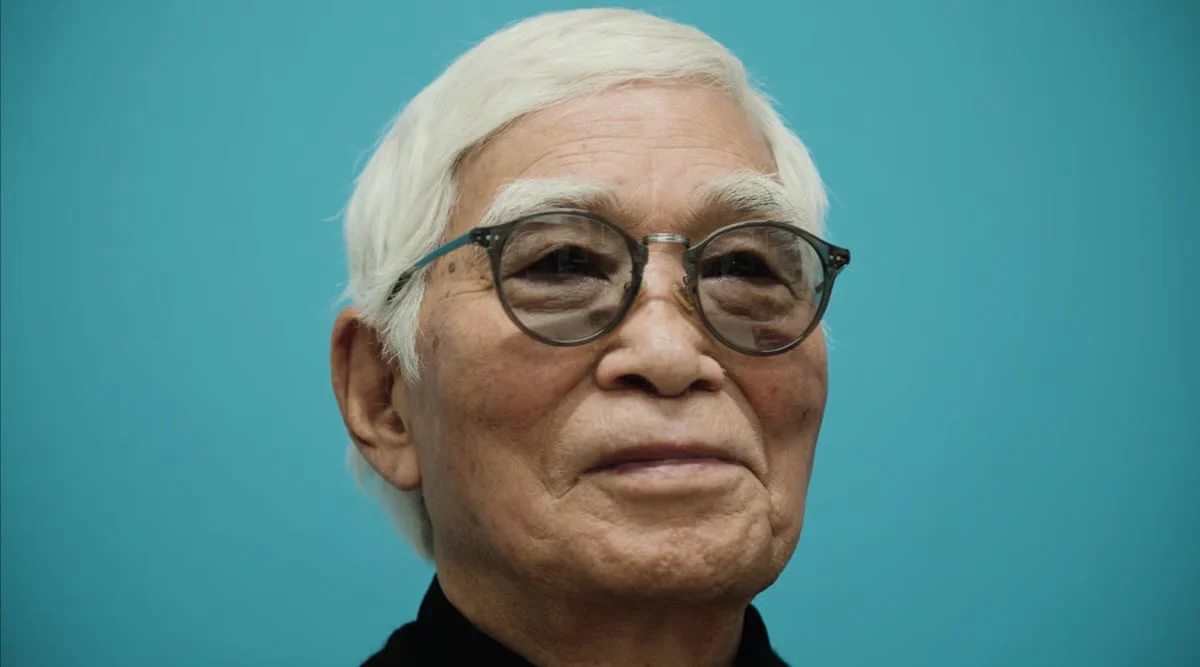
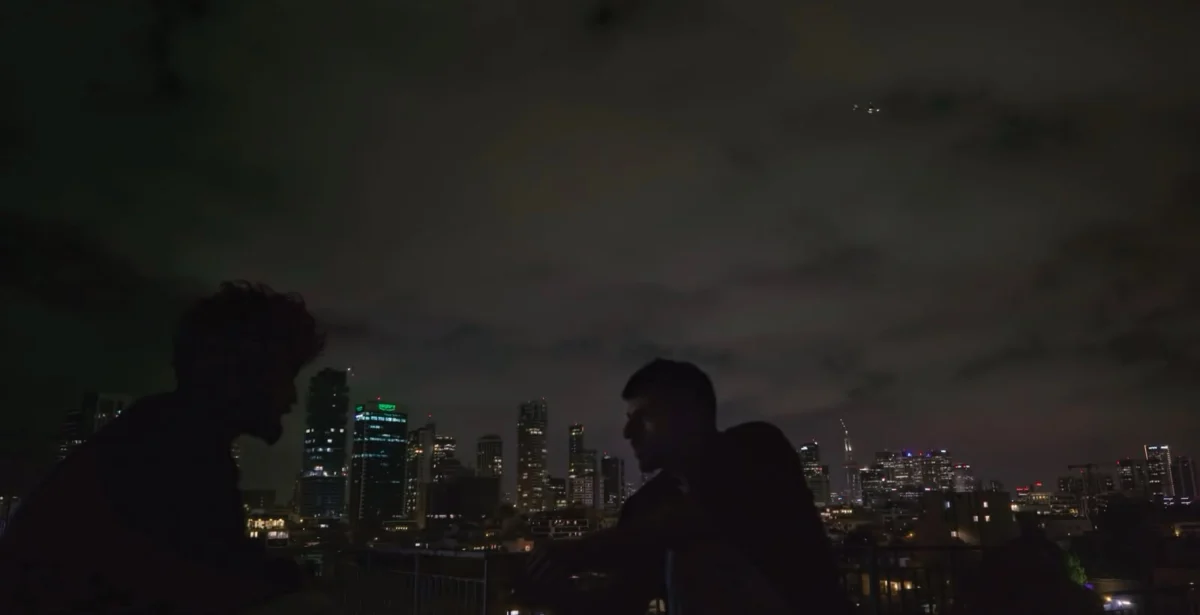
The future of cinematic discourse is currently taking center stage as Film Comment hands over its flagship podcasting platform to the bright, emerging voices of the 2026 Film at Lincoln Center (FLC) Critics Academy. In a collaborative multi-week takeover for the Fall 2026 publishing cycle, four participants from this year’s prestigious workshop—Yezen Saadah, Kathy Ou, Samuel Brodsky, and Rebecca Turner—have stepped behind the microphone to analyze the cutting edge of contemporary short-form cinema.
Centering their inaugural discussion on the New York Film Festival’s (NYFF) experimental sidebar, Currents Program 5: The Material Ghost, the young critics dive deep into three of the most talked-about short films of the festival circuit: Peggy Ahwesh’s The Wayfinders, Adam Piron’s The Flesh of the Mountain, and Kevin Jerome Everson’s National Seating.
The initiative highlights not only the critical acumen of the next generation of film writers but also shines a much-deserved spotlight on avant-garde and short-form filmmaking, which frequently pushes the formal boundaries of the cinematic medium outside of traditional commercial distribution models.
Chronology
To understand the weight and momentum of this critical takeover, one must look at the timeline of the Film at Lincoln Center Critics Academy and its symbiotic relationship with the New York Film Festival.
Pre-Festival Phase (Summer 2026): Applications open globally for the highly competitive Critics Academy, drawing submissions from promising film writers, academics, and journalists eager to hone their craft under the direct mentorship of Film Comment editors and veteran critics.
The New York Film Festival (Fall 2026): Selected participants convene in New York City, immersing themselves in daily screenings, press conferences, and intensive writing workshops during the 64th edition of the New York Film Festival.
Currents Program 5 Screenings: Festival programmers curate "The Material Ghost," a program dedicated to exploring the phantasmagorical, material, and historical echoes embedded within celluloid and digital video. It is within this slate that Ahwesh, Piron, and Everson’s shorts premiere to critical intrigue.
The Podcast Takeover (Current Week):Film Comment releases the first installment of its two-week podcast takeover. Critics Yezen Saadah, Kathy Ou, Samuel Brodsky, and Rebecca Turner assemble in the studio to dissect the thematic and formal weight of "The Material Ghost" program.
Future Outlook (Late 2026 and Beyond): As part of the Fall 2026 print and digital rollout of Film Comment, these emerging critics cement their entries into the broader ecosystem of American film criticism, setting a precedent for future Academy cohorts.
Supporting Data
The depth of the critics’ discussion relies on a rich constellation of cinematic art, avant-garde history, and festival data.
Key Personnel & Participants
Yezen Saadah: Critics Academy participant and podcast co-host.
Kathy Ou: Critics Academy participant and podcast co-host.
Samuel Brodsky: Critics Academy participant and podcast co-host.
Rebecca Turner: Critics Academy participant and podcast co-host.
Mentors: Editors and senior staff of Film Comment and Film at Lincoln Center.
Featured Films Analyzed in "Currents Program 5: The Material Ghost"
The Wayfinders (Directed by Peggy Ahwesh, 2026): Known for her pioneering use of digital platforms, video games, and appropriated imagery, Ahwesh’s latest short continues her exploration of virtual geographies and contemporary technological anxieties.
The Flesh of the Mountain (Directed by Adam Piron): A striking work by filmmaker and curator Adam Piron (known for his work with the Sundance Institute’s Indigenous Program), blending indigenous perspectives with radical structuralist approaches to landscape and geography.
National Seating (Directed by Kevin Jerome Everson): A masterclass in observational, rhythmic cinema by Everson, whose prolific output consistently chronicles the everyday labor, culture, and social choreography of Black working-class communities across the United States.
Institutional Framework
Film at Lincoln Center (FLC): Founded in 1969, FLC is a preeminent pre-eminent cultural institution dedicated to supporting the art and elevating the craft of cinema, operating out of the Lincoln Center for the Performing Arts in New York City.
The New York Film Festival (NYFF): Established in 1963, NYFF is one of the world’s most selective and prestigious non-competitive film festivals, serving as a vital launchpad for international art-house cinema.
Official Responses
The collaboration has drawn widespread praise from cultural commentators, institutional leaders, and the participants themselves, who view the platform as a crucial bridge between academic study and professional cultural journalism.
Speaking on the pedagogical philosophy behind the Critics Academy, a spokesperson for Film at Lincoln Center emphasized the importance of fostering diverse critical voices:
"The landscape of film criticism is undergoing a profound transformation. Programs like the Critics Academy are not merely educational workshops; they are vital incubators. By placing the microphone directly in the hands of these emerging writers, we ensure that the future of film discourse is dynamic, pluralistic, and radically engaged with the formal complexities of contemporary moving-image art."
The Film Comment editorial team echoed this sentiment in their introduction to the Fall 2026 issue, noting that the analytical rigor displayed by Saadah, Ou, Brodsky, and Turner points to an exciting horizon for cinematic writing.
In their roundtable discussion, the critics themselves reflected on the unique challenges of writing about experimental short films. Rather than treating shorts as mere precursors or warm-ups for feature-length narratives, the panel argued that formats like Ahwesh’s The Wayfinders and Everson’s National Seating demand entirely distinct critical vocabularies—ones rooted in rhythm, texture, digital archeology, and spatial politics.
Implications
The partnership between the FLC Critics Academy and Film Comment carries significant implications for the broader cultural and cinematic landscape, addressing several key trends in modern media.
1. Democratizing and Rejuvenating Film Criticism
Traditional avenues for young film critics have narrowed drastically over the past two decades with the contraction of print media, the downsizing of cultural desks at legacy newspapers, and the shift toward algorithm-driven digital content. Initiatives like the Critics Academy provide a vital pipeline, injecting fresh perspectives into the critical ecosystem. By granting these writers access to a major institutional podcasting platform, FLC and Film Comment validate their authority and give them a national stage.
2. Championing Experimental and Non-Standard Cinema
Commercial box offices are increasingly dominated by franchise IP and standardized narratives, making platforms like NYFF’s "Currents" program indispensable for the survival of avant-garde cinema. By dedicating a major critical discussion to shorts by Peggy Ahwesh, Adam Piron, and Kevin Jerome Everson, the podcast redirects public attention toward radical, boundary-pushing art. It proves that the most urgent conversations in contemporary cinema are frequently happening in the sub-twenty-minute runtime tier.
3. Redefining the Relationship Between Critics and Creators
The voices featured in this year’s podcast takeover represent a generation of critics who are inherently interdisciplinary—fluent in digital media theory, indigenous sovereignty, structuralism, and socio-political history. As these writers enter the professional sphere, their work promises to shift film criticism away from consumer-guide star ratings and toward deep, textually rigorous cultural analysis.
Conclusion
As the Fall 2026 issue of Film Comment hits stands and digital feeds, the message is clear: the future of cinematic art is matched by a vibrant, intellectually fearless generation ready to write about it. Through the lens of the FLC Critics Academy, viewers and listeners are invited to rethink what film can be, how it is made, and why rigorous, passionate criticism remains as vital as ever.