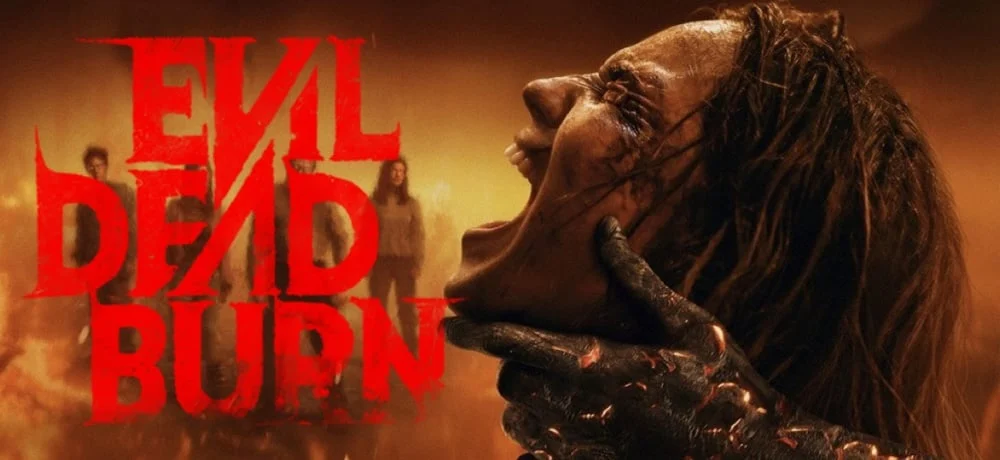
Unleashing the Inferno: ‘Evil Dead Burn’ Brings Relentless Terror to the Big Screen
The Evil Dead franchise has long served as the gold standard for visceral, inventive, and unapologetic horror. Since Sam Raimi first unleashed the Book of the Dead upon an unsuspecting cabin in the woods in 1981, the series has mutated, evolved, and consistently pushed the boundaries of what audiences can stomach. Today, that legacy of carnage reaches a fever pitch with the nationwide theatrical release of Evil Dead Burn.
Heralded as the most savage entry in the long-running saga, Evil Dead Burn is not merely a sequel; it is a cinematic endurance test. Directed by the visionary Sébastien Vaniček, the film arrives with the weight of massive critical anticipation, promising a “mean slice of Deadite devastation” that aims to leave even the most seasoned gorehounds breathless.
The Premise: A Family Reunion from Hell
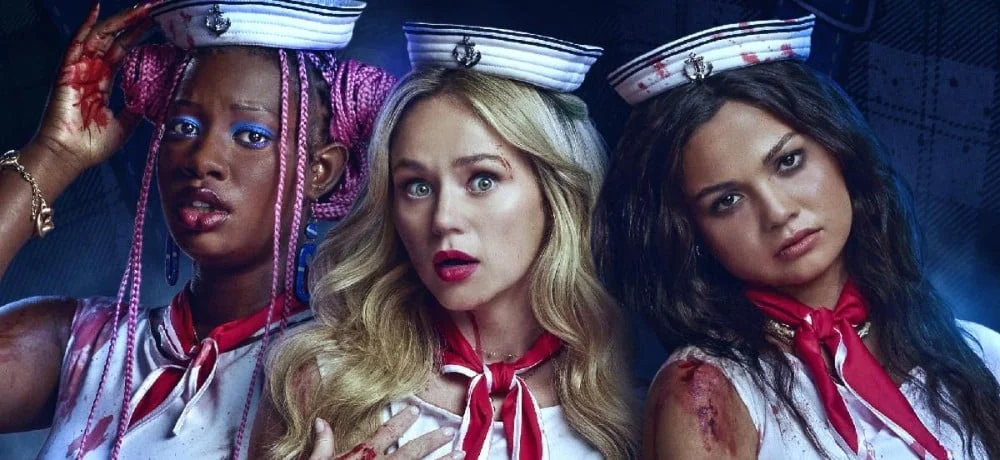
At its core, Evil Dead Burn strips away the expansive lore of the franchise to focus on a singular, claustrophobic nightmare. The narrative follows a woman reeling from the tragic loss of her husband. Seeking solace, she travels to the secluded, sprawling estate of her in-laws, hoping for comfort in the presence of family. Instead, she finds herself trapped in a crucible of supernatural malevolence.
As the ancient evil takes hold, the family members are transformed one by one into the iconic, wisecracking, and bloodthirsty Deadites. What was intended to be a mourning period quickly devolves into a desperate, high-stakes battle for survival. The film’s tagline—"the vows she took in life… live on even in death"—hints at a deeper, more psychological layer of horror that threatens to tear the family apart before the physical gore even begins.
Chronology of a Cult Phenomenon
To understand the weight of Evil Dead Burn, one must look back at the franchise’s unique trajectory. The series has survived multiple reboots, sequels, and even a television expansion, always managing to reinvent itself while maintaining its core DNA of slapstick violence and occult dread.
- 1981: The Evil Dead premieres, establishing Bruce Campbell’s Ash Williams as a horror icon and creating the blueprint for the "cabin in the woods" trope.
- 1987–1992: Evil Dead II and Army of Darkness lean into dark comedy, cementing the series as a genre-bending powerhouse.
- 2013: The franchise receives a gritty, ultra-violent soft reboot under Fede Álvarez, proving the concept could still terrify modern audiences.
- 2023: Evil Dead Rise moves the action to an urban apartment complex, proving the Deadites are not bound by forest geography.
- 2026: Evil Dead Burn arrives, representing the next evolution in the franchise’s technical and narrative ambition.
With Burn, Vaniček has opted for a tone that bridges the gap between the frantic energy of the original films and the bleak, relentless nihilism of the modern entries.
Supporting Data: Why ‘Evil Dead Burn’ Stands Out
Early screenings have sent shockwaves through the horror community, with critics noting that Evil Dead Burn raises the bar for practical effects. In an era dominated by CGI, Vaniček and his team have doubled down on tactile, messy, and elaborate practical gore.
According to lead reviewer Matt Donato, the film is "guaranteed to make you sweat from start to finish." This is not a film that builds tension through long, slow-burn sequences alone; it is a kinetic experience that prioritizes momentum. The production team utilized over 500 gallons of high-viscosity stage blood, a testament to the sheer scale of the set pieces involved.
Furthermore, the casting choices suggest a shift toward more character-driven terror. By bringing in powerhouse performers like Souheila Yacoub, Hunter Doohan, and Luciane Buchanan, the film ensures that the audience is genuinely invested in the characters’ fates—making every Deadite transformation feel like a personal tragedy rather than just another kill.
Official Responses: From the Creators and Cast
The press junket for Evil Dead Burn has provided fans with a rare glimpse into the collaborative process behind the chaos. Director Sébastien Vaniček, who made a name for himself with his chilling work on the spider-horror breakout Infested, discussed the transition from arachnids to demonic entities.
"When you move from a threat like spiders to a threat like Deadites, the game changes entirely," Vaniček stated. "Spiders are primal, but Deadites are cruel. They know your secrets, they use your loved ones against you, and they enjoy the suffering. It’s a much more intimate, psychological torture, and I wanted the audience to feel that intrusion in every frame."
The cast echoed these sentiments, highlighting the grueling, often exhausting nature of the production. Souheila Yacoub noted that the physical demands of the shoot were unlike anything she had encountered in her career. "We weren’t just acting; we were running for our lives for 12 hours a day," Yacoub said. "There is a level of intensity on this set that never dipped. You can’t ‘fake’ the level of exhaustion and fear you see in the final film—that was all very real."
Hunter Doohan and Luciane Buchanan, who play pivotal roles within the embattled family unit, emphasized the emotional stakes. "The horror doesn’t work if you don’t care about the family," Doohan remarked. "We spent weeks rehearsing the dynamics of this family so that when the horror hits, it feels like a betrayal. The Deadites don’t just kill you; they break your heart first."
Implications for the Future of Horror
The success of Evil Dead Burn holds significant implications for the horror genre at large. For years, there has been a debate regarding the viability of long-running franchises. Can a series that started in the early 80s truly remain relevant in the age of prestige horror and A24-style psychological dramas?
Evil Dead Burn answers with a resounding "Yes." By keeping the budget focused on practical effects, high-intensity performances, and a singular vision, the producers have proven that there is still a massive, hungry market for pure, unadulterated genre cinema. The film effectively bridges the gap between the nostalgic "gorehound" demographic and a younger generation of horror fans who demand higher production value and complex emotional arcs.
Moreover, the film’s success will likely trigger a shift in how studios approach legacy sequels. Instead of attempting to modernize the Evil Dead mythos to fit contemporary trends, Vaniček has doubled down on the franchise’s idiosyncrasies. This "purity of intent" approach is likely to be studied by other studios looking to revive stagnant properties.
A Final Warning: The Experience Awaits
As the film rolls out into theaters globally, the consensus is clear: Evil Dead Burn is not for the faint of heart. It is a loud, aggressive, and visually arresting descent into madness that reminds us why the Evil Dead brand has survived for over four decades.
Whether you are a longtime devotee of the Necronomicon or a newcomer looking for the ultimate theater experience, Evil Dead Burn delivers. It is a masterclass in controlled chaos, a testament to the power of practical effects, and perhaps the most important horror release of the year.
The carnage is not just happening on screen; it is happening in the theater. As the credits roll, the lingering question for audiences won’t be whether they enjoyed the film, but whether they have the nerve to watch it again. The vows have been taken, the book has been opened, and the fire has been lit.
Evil Dead Burn is currently playing in theaters everywhere. Prepare yourself for the ride—because as the early reviews have warned, once it leaves the station, there is absolutely no quit.