The Shadow Over Tumbleton: Analyzing the Escalating Conflict in House of the Dragon Season 3
The latest episode of House of the Dragon marks a definitive pivot in the third season’s narrative trajectory. After spending the opening chapters firmly entrenched within the political machinations of Rhaenyra Targaryen and the Black faction at Dragonstone, the series has shifted its gaze toward the heart of Team Green. The episode, titled "Tumbleton," serves as a masterful piece of world-building and character development, pulling the curtain back on the internal fractures of the Hightower-led coalition while introducing a pivotal, if historically overlooked, theater of war.
As the Dance of the Dragons intensifies, the choice of Tumbleton as the episode’s focal point is both strategic and thematic. In the grand tapestry of Westerosi history, Tumbleton is a footnote, a provincial market town that has never before commanded the attention of the Great Houses. However, as George R.R. Martin often illustrates, the most profound tragedies of the "game of thrones" are frequently visited upon those who have no stake in the crown’s inheritance.
The Strategic Importance of Tumbleton
The town of Tumbleton, situated along the fertile banks of the Mander river, serves as the seat of House Footly. With a population that historically relies on the prosperity of the Reach, its sudden elevation to a military staging ground underscores the brutal reality of the civil war. By focusing on a location that lacks the prestige of King’s Landing or the ancient mystique of Dragonstone, the writers emphasize the "trickle-down" misery of the conflict.
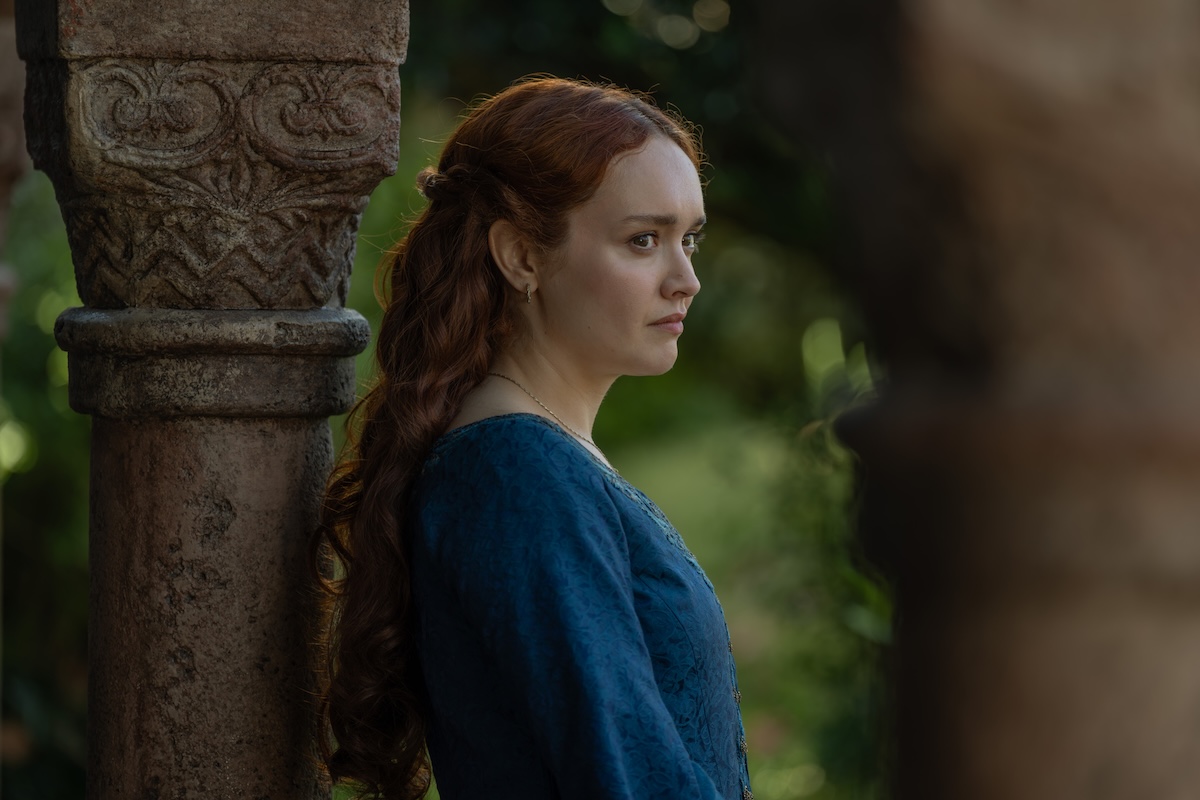
The architectural design of the town—distinct from the standard medieval English aesthetic seen elsewhere in Westeros—features tiered, pagoda-like roofs that suggest a unique, perhaps even ancient, origin. These subtle visual cues serve to differentiate Tumbleton from the urban sprawl of the capital, grounding the audience in a setting that feels both fragile and increasingly doomed as the Hightower host approaches.
Unraveling the Opening Tapestry: A Visual Cipher
The opening credits of the series continue to serve as a cryptic prologue to the events of the season. This week’s tapestry features a new panel depicting two figures in a hushed, conspiratorial exchange. While the identity of the whispering figures remains a subject of intense fan speculation—ranging from the calculating Lord Corlys Velaryon to the enigmatic Torrhen Manderly—the visual metaphor is clear: the dance is being choreographed in the shadows.
A chilling detail added to the sequence involves a tear in the fabric that effectively decapitates a rat lurking beneath the Iron Throne. This symbolic imagery reflects the instability within the Red Keep, where even the most pervasive inhabitants of the castle are subject to the violent whims of the ruling powers.
The Emergence of Ormund Hightower
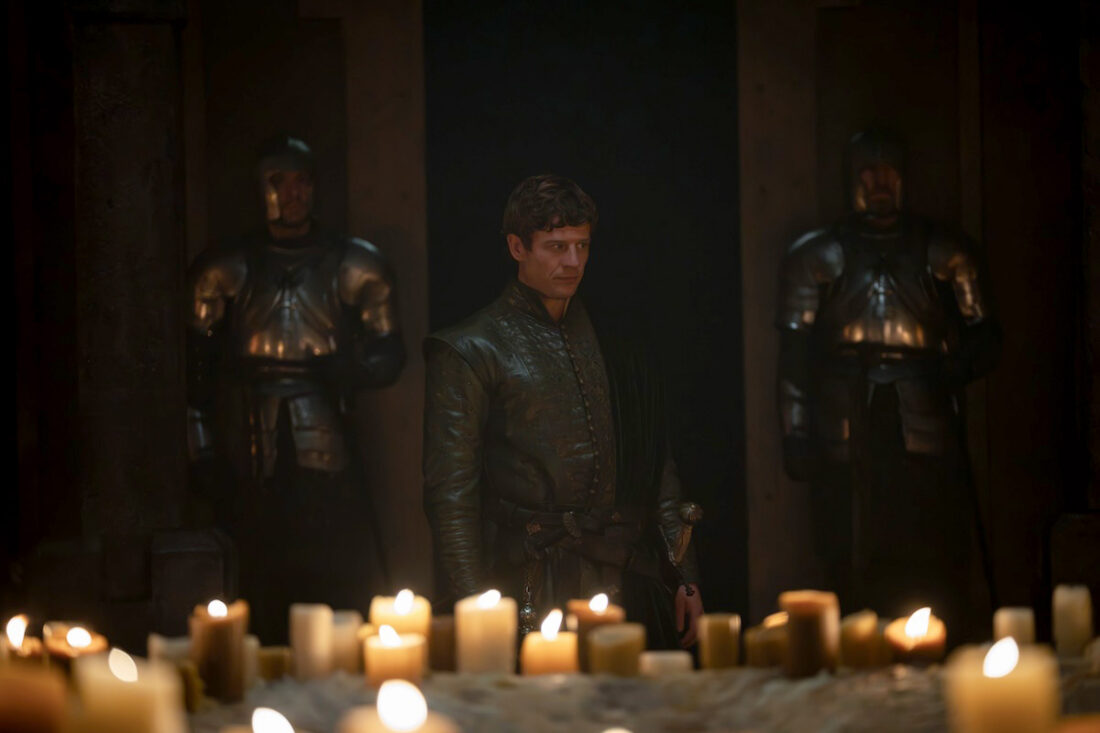
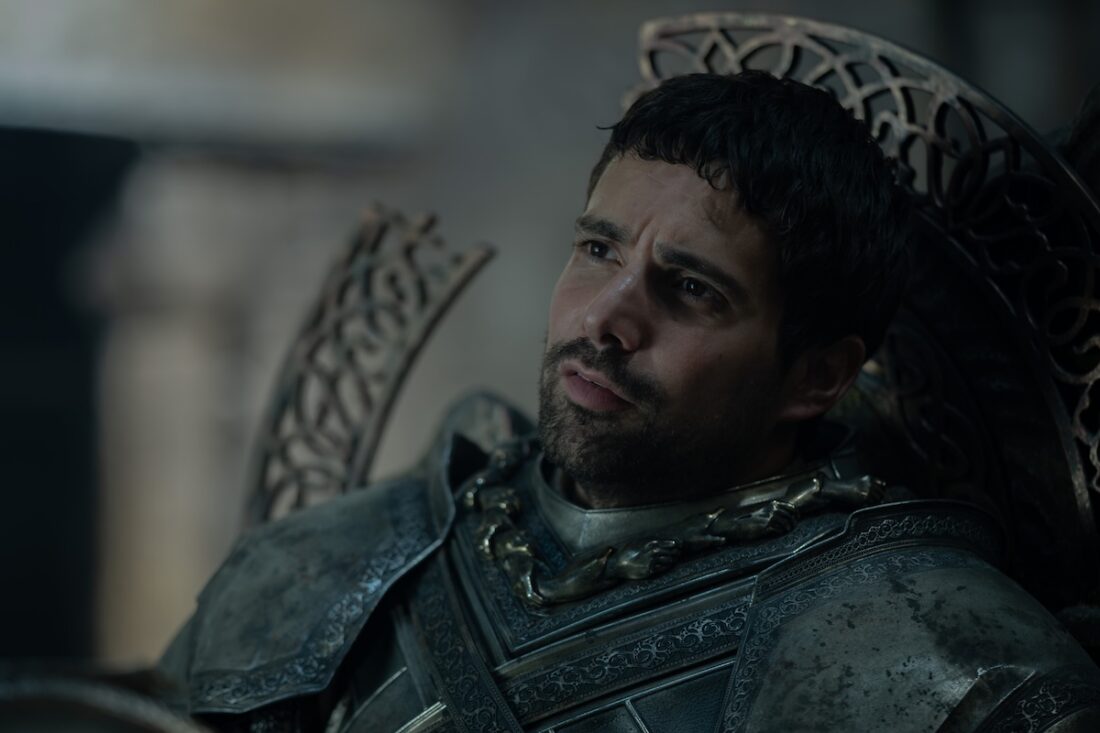
If the season required a new, formidable antagonist to challenge the established power dynamics, it has found one in Ormund Hightower. Portrayed by James Norton with a blend of aristocratic poise and suppressed, visceral rage, Ormund stands as a direct foil to the more volatile players of the war.
According to the lore presented in this episode, Alicent Hightower characterizes her cousin as a scholar, a patron of the arts, and an intellectual. However, this veneer of civilization hides a profound, cold-blooded pragmatism. Unlike the historical records of Archmaester Gyldayn, which paint Ormund as a standard military commander, the show elevates him to a complex villain whose anti-Targaryen sentiment is deeply rooted in a perceived cultural displacement. His desire to elevate Daeron to the throne is not merely political maneuvering; it is an ideological crusade against the Targaryen hegemony that he believes has usurped the Hightower legacy.
Stewards of Culture: The Hightower Mythos
To understand the Hightowers is to understand the history of Oldtown itself. As the oldest city in Westeros and the seat of the Citadel and the Starry Sept, Oldtown represents the intellectual and religious foundation of the continent. The family’s motto, "We Light the Way," takes on a darker significance in this episode, positioning the Hightowers not just as stewards of the faith and knowledge, but as the architects of a civilization that pre-dates the dragon-riders.
The episode hints at a controversial, albeit speculative, theory regarding the family’s origins. While ostensibly descendants of the First Men, the lingering lore suggests a connection to the "Great Empire of the Dawn"—a mythical, pre-Valyrian civilization from Essos. Whether or not this is canon, the Hightowers’ internal belief in their own ancient, superior lineage provides a fascinating psychological layer to Ormund’s character. He is an ethno-supremacist whose bitterness toward the Targaryens is fueled by the belief that his family is the true, rightful light of Westeros.
The Human Cost: A Street-Level View
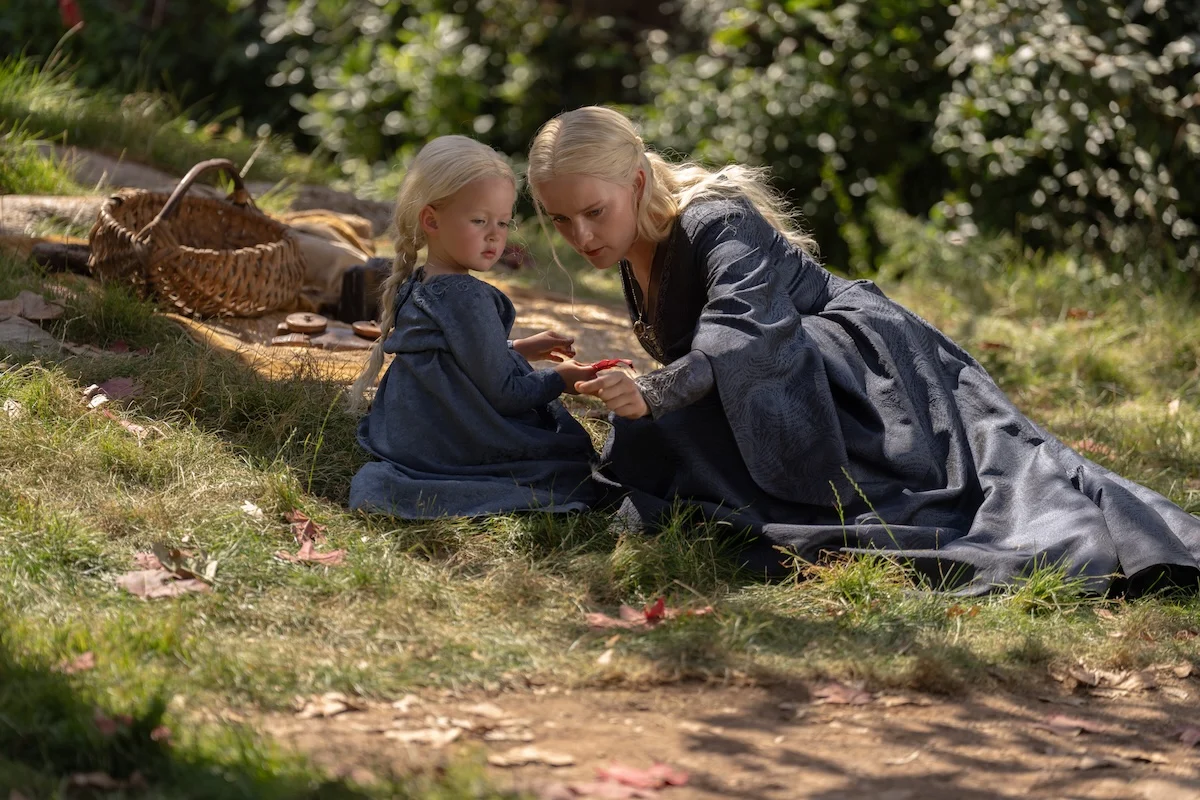
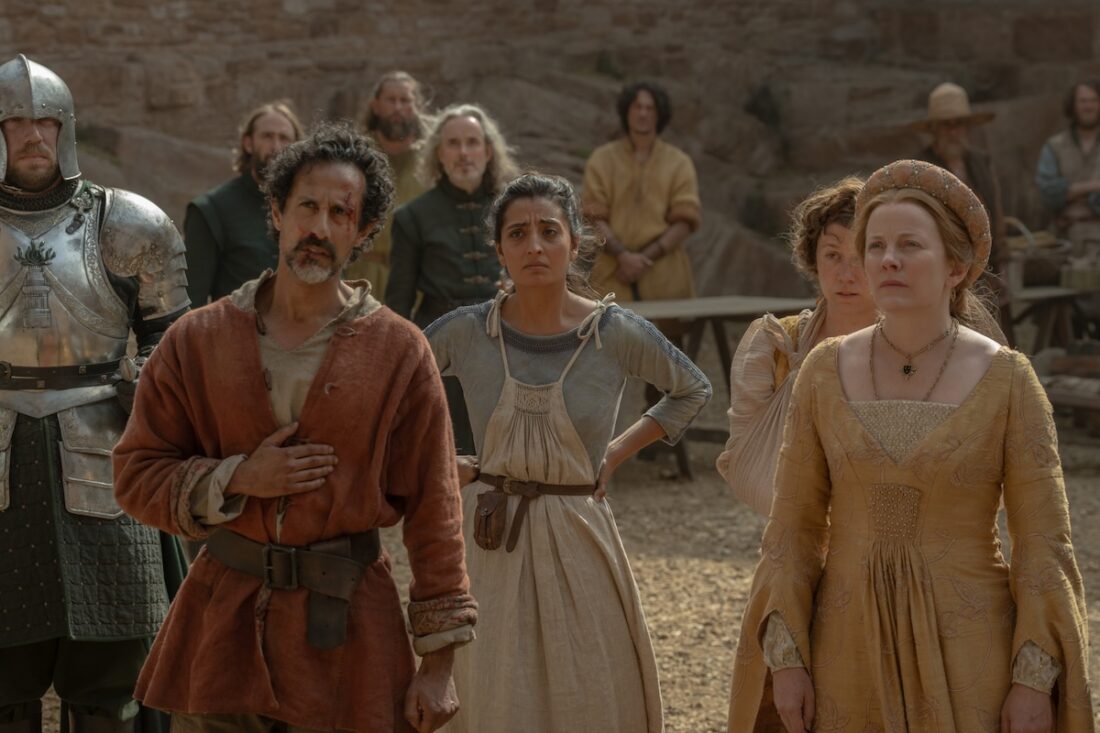
Beyond the high-born machinations, "Tumbleton" provides a harrowing look at the smallfolk caught in the crossfire. The introduction of Kat—Hugh Hammer’s wife—and her family serves as the show’s lens into the commoner experience. Through them, the audience witnesses the "Third Amendment" style dilemma of being forced to house soldiers, the subsequent degradation of the local community, and the sheer helplessness of those who have no say in which dragon-rider sits upon the throne.
This is a departure from the typical historical record of the Dance, which, as narrated by the biased Gyldayn, largely ignores the plight of the commoners. By humanizing the people of Tumbleton, the series forces the viewer to confront the moral cost of the nobility’s ambitions.
Criston Cole: The Fallen Knight
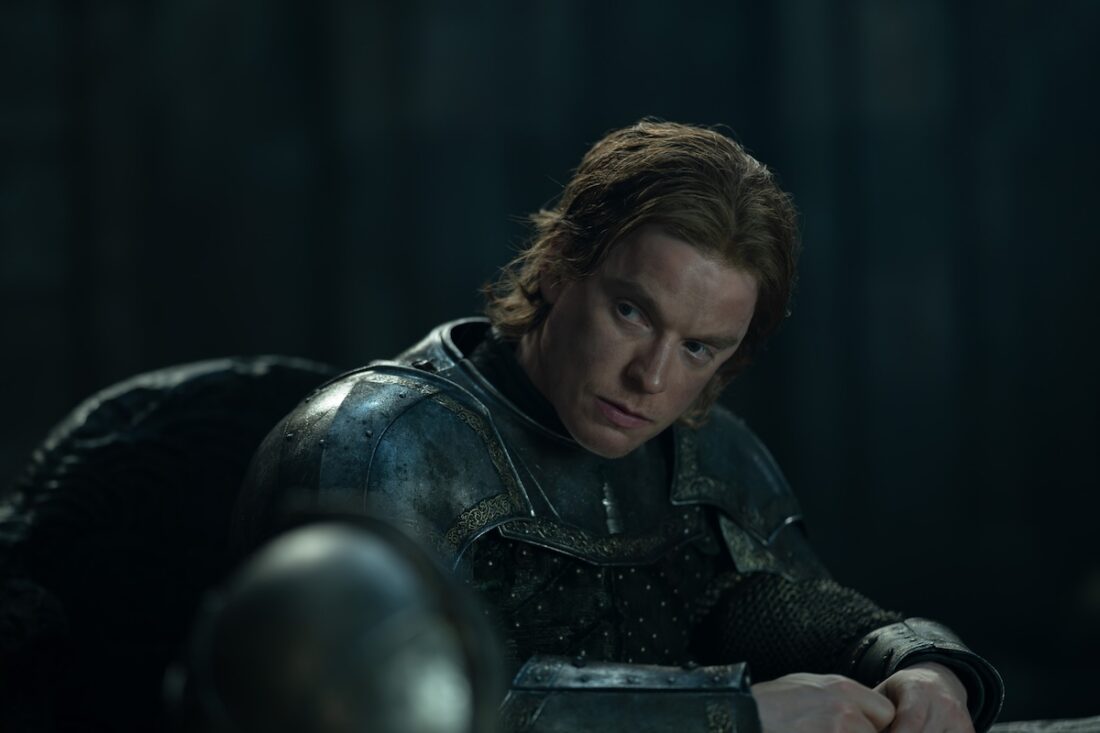
Criston Cole remains one of the most polarizing figures in the narrative. In the wake of the disastrous Battle of Rook’s Rest, Cole is a man hollowed out by his own failures. His character arc this season serves as an indictment of the rigid, flawed class politics of Westeros.
Having lost his standing, his illusions of chivalry, and his purpose, Cole is a man waiting for death. His arc mirrors that of the classic "hedge knight" tropes found in A Knight of the Seven Kingdoms, yet he lacks the moral integrity of a Duncan the Tall. Instead, Cole’s internal rot—his toxic adherence to a code he never truly understood—has transformed him into a weapon of the state. As he finds himself in the company of low-born men like Ulf and Alyn, the contrast between his knightly pretenses and their authentic struggle for survival becomes increasingly stark.
DragonWatch: The Visual Legacy of the Dance
The visual effects department continues to excel, particularly in the rendering of the dragons. The sight of Sunfyre’s remains near Rook’s Rest is a sobering reminder of the war’s brutality. Aegon’s insistence that his dragon survives is a testament to the King’s desperate, perhaps delusional, state of mind.
Conversely, the introduction of Tessarion, the Blue Queen, provides a fascinating look at the variation in dragon physiology. Her stockier, more compact build and defensive posture toward Daeron offer a glimpse into the bond between rider and beast that is distinct from the more aggressive displays seen in previous seasons. The careful use of light and ash in these scenes creates a haunting, atmospheric visual language that defines the current state of the war: everything is burning, and nothing is clean.
Implications for the Season’s Second Half
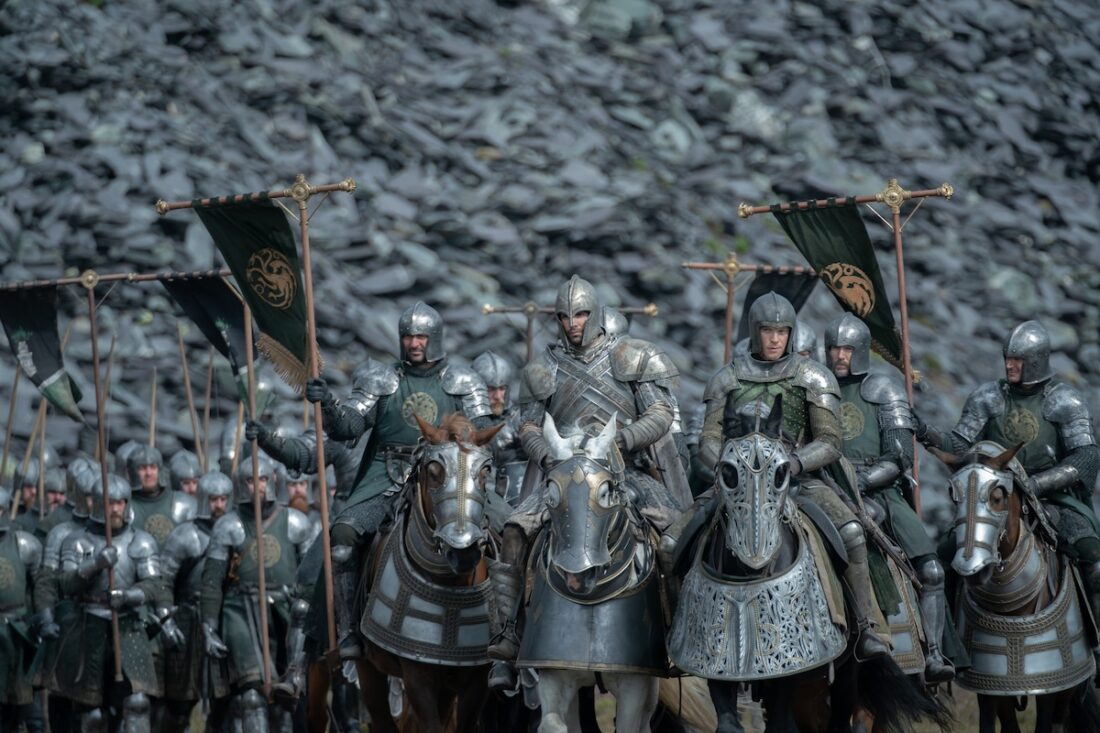
As we transition into the back half of Season 3, the pieces are firmly in place for a catastrophic confrontation. The tension between the Small Council’s infighting, the gathering host of the Hightower army, and the volatile instability of King’s Landing suggests that the conflict is moving toward a tipping point.
Ormund Hightower has successfully established himself as the "big bad" of the season, a character whose threat lies not in fire and blood, but in the calculated, systematic dismantling of his enemies. Rhaenyra’s position becomes increasingly precarious as she is forced to manage a restless populace while her council members turn on one another.
"Tumbleton" is a masterful, deliberate episode. It slows the pace to ensure that the audience understands the stakes—not just for the crown, but for the history and the people of Westeros. The path ahead is one of inevitable tragedy, and as the Hightowers prepare to "light the way," the shadows they cast grow longer and more menacing with each passing hour. As the series moves forward, the question remains: will the Targaryens destroy themselves, or will they be extinguished by the very history they tried to command?