
Cinematic Treasures in the Spa Town: Inside the 60th Karlovy Vary Film Festival
Introduction: A Diamond Jubilee in Bohemia
The Karlovy Vary International Film Festival (KVIFF) has long occupied a unique space in the global cinematic landscape. Nestled in the verdant, rolling hills of the Western Bohemian spa town that bears its name, the festival serves as both a glamorous mid-summer pilgrimage for international cinephiles and a vital bridge between the historical legacy of Eastern European cinema and the pulse of contemporary global storytelling. As the festival marks its 60th edition, the air in Karlovy Vary is thick with more than just the scent of mineral springs; it is charged with the weight of a monumental milestone.
To commemorate this historic anniversary, Film Comment editor Clinton Krute has descended upon the Czech Republic to anchor the publication’s coverage. In this inaugural podcast episode of the festival run, Krute is joined by critic Pavel Sladký and programmer Irena Kovarova to dissect the festival’s evolving identity. Together, they navigate the intersection of the festival’s rich, occasionally complex history—dating back to its Cold War origins when it alternated locations with Moscow—and its current status as a premier destination for both established auteurs and emerging voices.
The Weight of History: A Retrospective Lens
The 60th edition of KVIFF is defined, in large part, by its commitment to looking backward as much as forward. The festival’s retrospective sidebar has become a focal point of this year’s programming, curated to remind audiences of the festival’s pivotal role in preserving the Czech cinematic canon.
Rediscovering Věra Chytilová
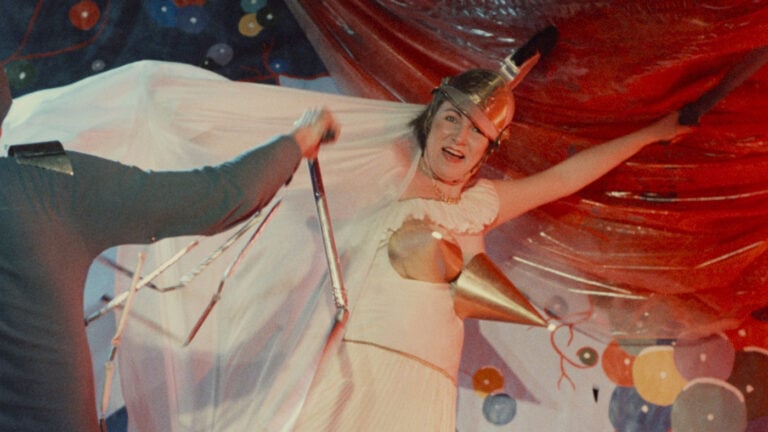
The panel’s discussion centered early on the subversive genius of Věra Chytilová, specifically her 1988 film Tainted Horseplay (Kopytem sem, kopytem tam). A seminal figure of the Czechoslovak New Wave, Chytilová’s work has often been characterized by its biting social satire and formal experimentation. Tainted Horseplay serves as a stark reminder of the director’s ability to weave absurdity with profound social critique. Sladký and Kovarova noted that re-screening such works in the context of a 60th anniversary invites a new generation of viewers to reconsider the landscape of late-80s Czech cinema, where the rigidity of the political climate was frequently countered by the fluid, chaotic energy of Chytilová’s lens.
The Moral Weight of The Defendant
The conversation then pivoted to a 1964 masterpiece, The Defendant (Obžalovaný), directed by Ján Kadár and Elmar Klos. Known primarily for their Oscar-winning The Shop on Main Street, Kadár and Klos are architects of the Czech psychological drama. The Defendant remains a staggering work of procedural realism that interrogates the nature of individual responsibility under systemic pressure. The panel emphasized that the film’s inclusion in the retrospective is not merely an act of archival preservation; it is a resonant commentary on the ethics of governance and personal complicity—themes that remain acutely relevant in the current geopolitical climate.
The Contemporary Frontier: New Voices and Global Perspectives
While the retrospective honors the ghosts of the festival’s past, the Competition sections provide a rigorous survey of the current state of independent filmmaking. The selection this year is remarkably diverse, spanning aesthetic registers from the gritty, urban-focused narratives of Eastern Europe to the intimate, character-driven studies emerging from the Middle East.
Navigating the Competition
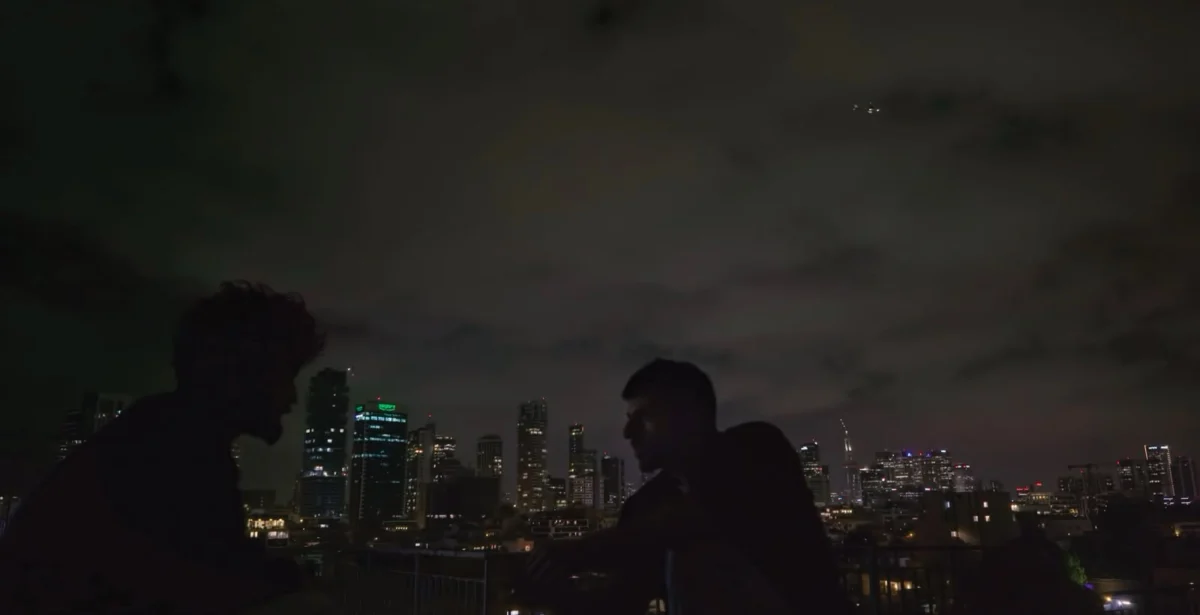
Among the highlights discussed by the panel, Kristina Grozeva and Petar Valchanov’s Black Money for White Nights stood out for its sharp, cynical exploration of economic desperation. The Bulgarian directing duo, known for their precise observation of human frailty, appears to have crafted a work that challenges the audience’s moral barometer in ways that feel both familiar and freshly disturbing.
The panel also touched upon the delicate, poetic sensibilities of Maryam Ataei and Hossein Keshavarz’s The Friend’s House is Here. This film offers a distinct counterpoint to the more cynical tones of the competition, focusing on the spaces—both physical and psychological—that bind human relationships together. Its inclusion signals the festival’s ongoing commitment to championing international collaborations that transcend borders and languages.
Finally, the discussion turned to Mads Mengel’s The Guest, a film that has already generated significant buzz for its atmospheric tension and structural audacity. As Kovarova noted, the film represents the type of "hidden gem" that Karlovy Vary has built its reputation on discovering—works that might otherwise be overlooked in the noise of the global festival circuit but find their true audience within the intimate, attentive theaters of the spa town.
Chronology of the Festival’s Evolution
The 60th anniversary provides a necessary vantage point to look back at the festival’s trajectory. Originally established in the late 1940s, the festival was born into a world divided by the Iron Curtain. For many years, the festival rotated between Karlovy Vary and Moscow, a geographic and political arrangement that colored its early programming with a heavy dose of state-sanctioned socialist realism.
However, the post-1989 era marked a radical shift for KVIFF. The festival rebranded itself as a boutique, audience-focused event that prioritized artistic merit over ideological alignment. Throughout the 1990s and 2000s, the festival grew its international profile, attracting A-list talent while doubling down on its commitment to Central and Eastern European cinema. Today, the festival is recognized as one of the "A-list" festivals sanctioned by the FIAPF (International Federation of Film Producers Associations), sitting comfortably alongside Berlin, Cannes, and Venice.
Official Responses and Industry Implications
The programming team at KVIFF has faced significant pressure this year to deliver a lineup that honors the legacy of the institution while acknowledging the rapid changes in film distribution and consumption. In statements released prior to the festival, organizers highlighted the necessity of "maintaining the theatrical experience" in an era dominated by streaming platforms.
The inclusion of both digital restorations of classics and premiere screenings of independent features is an intentional strategy. By juxtaposing the historical with the new, the festival creates a "conversation across time." Industry analysts suggest that this strategy is vital for the survival of film festivals in the mid-to-late 2020s. As the market for art-house cinema becomes increasingly fragmented, the role of festivals like Karlovy Vary has shifted from merely being a marketplace to becoming a vital curator of cultural memory.
Looking Ahead: The Future of the Festival
As the 60th edition continues, the implications for the festival’s future are clear. The organizers are betting on the idea that the "Karlovy Vary experience"—a combination of high-caliber programming, the unique architectural charm of the city, and the sense of community fostered by the event—is a product that cannot be replicated by digital consumption.
The panel’s discussion serves as a microcosm of this broader mission. By bringing together critics and programmers to engage in long-form, thoughtful dialogue about the nuances of film language, Film Comment and KVIFF are advocating for a more deliberate, analytical approach to cinema.
Conclusion
The 60th Karlovy Vary Film Festival is more than a party; it is a testament to the resilience of the cinematic medium. From the experimental echoes of Chytilová’s 1988 output to the nuanced, modern inquiries of contemporary directors like Mengel, the festival remains a vital hub for discovery. As the attendees move between the grand hotels of the spa town and the darkened rooms of the cinemas, they are participating in a tradition that honors the past while aggressively pursuing the future of the art form.
For those who view film not just as entertainment, but as a primary lens through which to view history, ethics, and human experience, this year’s festival is a mandatory touchstone. As the coverage continues throughout the summer, the insights provided by Sladký, Kovarova, and Krute will undoubtedly serve as the definitive guide to navigating this landmark anniversary.
This report is part of the Summer 2026 issue of Film Comment. For ongoing coverage and deep-dive analysis of the 60th Karlovy Vary Film Festival, subscribe to The Film Comment Letter.