The Cinematic Event of the Decade: Christopher Nolan’s ‘The Odyssey’ Shatters Expectations
Sing in me, Muse, of an epic story and a filmmaker who has once again proven that the theatrical experience is not merely alive—it is transcendent. One year after the first advance tickets flickered onto screens across the globe, Christopher Nolan’s The Odyssey has finally arrived, and the box office is reeling in its wake.
The Greek epic, serving as the highly anticipated follow-up to Nolan’s Academy Award-winning Oppenheimer, has stormed into theaters with a staggering $17.6 million in preview screenings. This figure marks the highest preview result of the calendar year, narrowly edging out the $17.5 million netted by the juggernaut Toy Story 5. As audiences pack into auditoriums to witness the journey of Odysseus, it is clear that Nolan has once again tapped into the zeitgeist, turning an ancient myth into a modern cultural phenomenon.
The Chronology of a Masterpiece
The road to The Odyssey has been as arduous and storied as the journey of its protagonist. Following the global triumph of Oppenheimer—a film that defied the conventions of the biopic genre to secure both critical adoration and nearly $1 billion at the box office—the industry turned its eyes to Nolan’s next move.
The project was officially announced as a reimagining of Homer’s epic, a daring gamble that saw Nolan secure a $250 million production budget. The marketing campaign was equally ambitious, with a staggering $125 million allocated to ensure that the scale of the production was understood by the public. When advance tickets went on sale exactly one year ago, the demand was instantaneous.
For twelve months, the project existed in a state of high-intensity anticipation. Trailer releases were treated as global events, and leaks regarding the film’s technical specifications—specifically its status as the first motion picture shot entirely with IMAX cameras—only served to heighten the fervor. By the time the film reached its premiere week, the "Nolan faithful" had moved beyond mere ticket-buying; they were crossing state lines, booking flights, and securing 2 a.m. screenings to be among the first to see the director’s vision of Ithaca.
Supporting Data: The Economics of the Epic
The financial stakes for The Odyssey are as massive as its mythological scope. With a total combined spend of $375 million between production and marketing, it stands as one of the most expensive films ever produced and officially holds the title of the most expensive R-rated film in cinematic history.
Initial projections estimated an opening weekend between $90 million and $100 million. However, with the $17.6 million preview haul, analysts are already suggesting those figures are conservative. If the film continues its current trajectory, it is poised to become the third movie this year to eclipse the $100 million mark in its debut, joining Toy Story 5 ($159 million) and The Super Mario Galaxy Movie ($131 million).
Comparatively, Oppenheimer opened with $10.5 million in previews, eventually ballooning to an $82 million domestic opening weekend before reaching its $975 million worldwide total. If The Odyssey follows a similar pattern of long-term legs—bolstered by its current 96% "fresh" rating on Rotten Tomatoes—it could easily surpass the $1 billion threshold, cementing Nolan’s status as the most commercially successful "auteur" in the history of the medium.
An Ensemble of Mythic Proportions
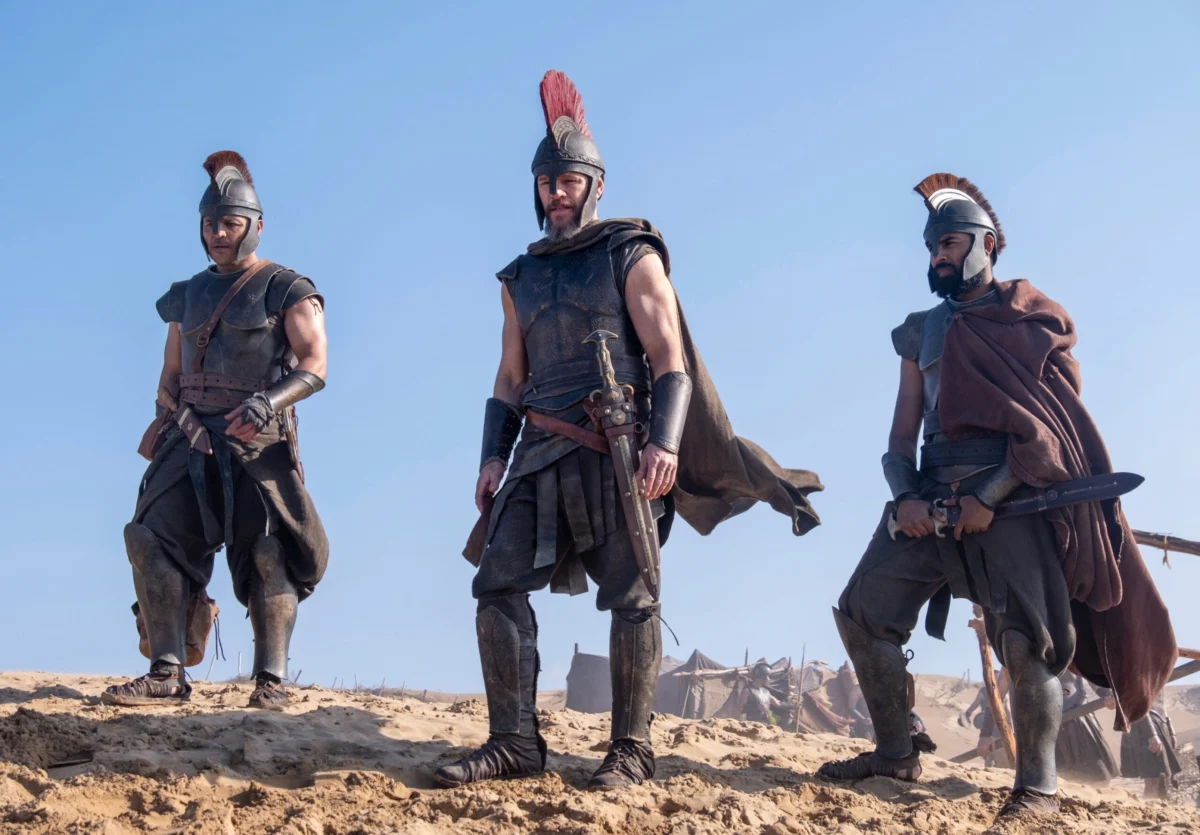
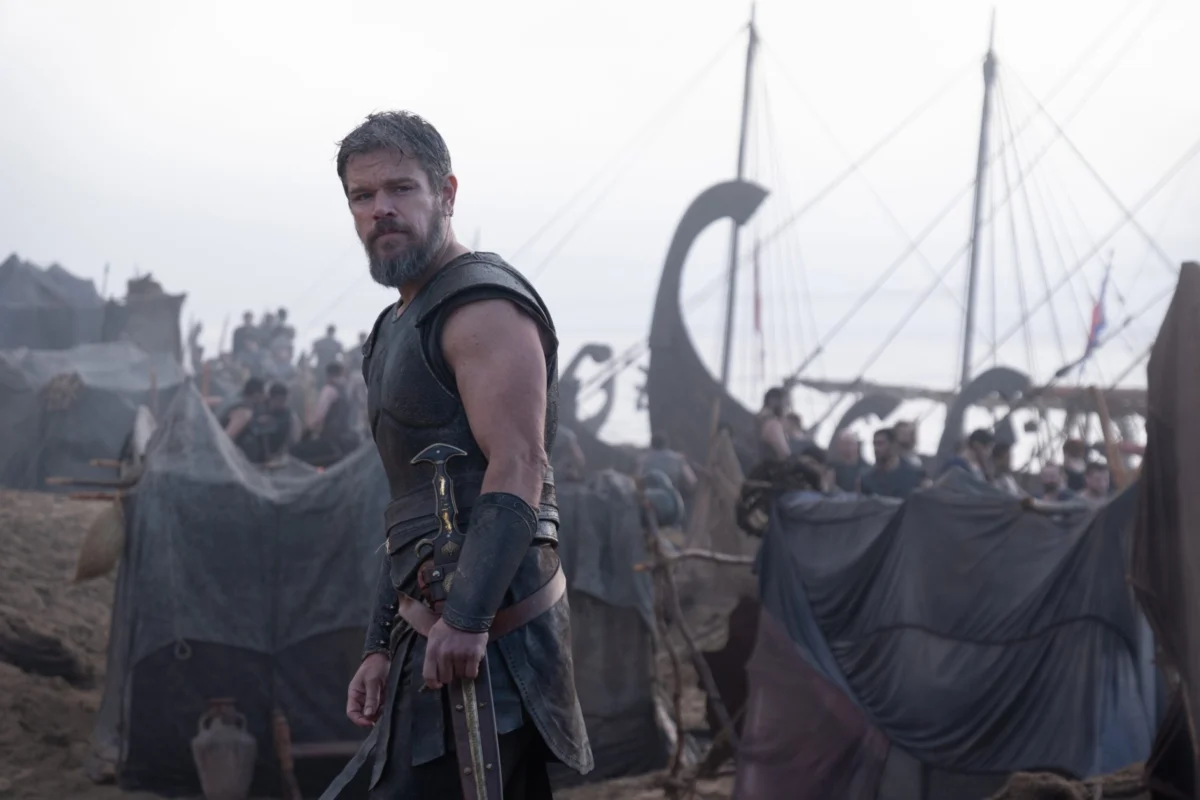
The success of the film is buoyed by a cast list that reads like a who’s-who of contemporary A-list talent. Returning to the Nolan fold is Matt Damon, who delivers a grueling, transformative performance as Odysseus. Damon’s portrayal of the king of Ithaca, caught between the wrath of the gods and the yearning for his home, serves as the emotional anchor for the film’s high-concept action.
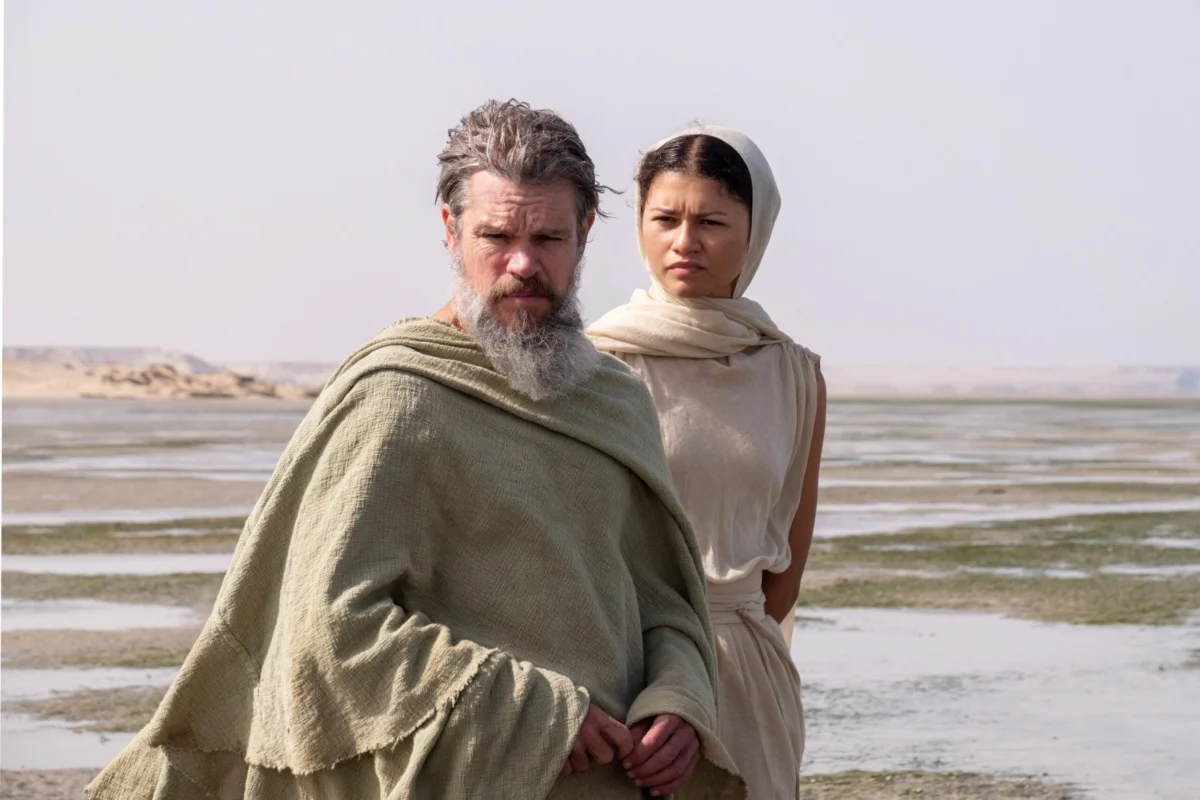
The ensemble cast is equally formidable. Tom Holland, Anne Hathaway, Zendaya, Lupita Nyong’o, Robert Pattinson, Charlize Theron, and Jon Bernthal round out a roster that highlights the magnetic pull of Nolan’s directorial reputation. Critics have particularly noted the chemistry between the leads, noting that even amidst the visual spectacle of storm-tossed seas and mythological beasts, the performances remain grounded and deeply human.
The "Nolan Effect" and Industry Implications
The implications of The Odyssey’s success extend far beyond the balance sheet of the studio. In an era where streaming services have pressured the traditional theatrical model, Nolan’s work serves as the primary firewall protecting the cinema industry.
The decision to shoot the entire film with IMAX cameras has created a bottleneck of demand for premium large-format screens. Fans are not just seeking the movie; they are seeking the experience. This obsession with format—the 70mm screenings, the IMAX audio-visual fidelity—is a direct continuation of the "Barbenheimer" phenomenon that saved the theatrical business last summer. By proving that audiences will prioritize the "event" nature of a film, Nolan is dictating the future of blockbuster filmmaking.
Furthermore, the R-rating of the film is a fascinating variable. Historically, high-budget epics are watered down to PG-13 to ensure a wider demographic reach. Nolan’s refusal to compromise on the mature, gritty nature of the Odyssey’s violent encounters with monsters and men suggests a shift in how studios view "prestige" blockbusters. It is a bold statement that adult-oriented, high-concept cinema can still command the largest market share.
Critical Reception and Future Outlook
The critical consensus has been overwhelmingly positive. Critics have praised the film for its narrative structure, which eschews a linear timeline in favor of a fragmented, memory-driven exploration of Odysseus’s trauma. The technical craft—the practical effects, the score, and the sweeping cinematography—has been lauded as the pinnacle of Nolan’s career.
"It is a film that demands to be seen, not just watched," wrote one critic. "Nolan has taken the oldest story in Western literature and made it feel like a terrifying, exhilarating discovery."
As the opening weekend continues to unfold, the industry will be watching the "drop-off" rates. A film of this scale needs sustained repeat viewings to recoup its massive investment. However, given the current frenzy—reports of fans delaying personal milestones and traveling across continents to secure specific seats—it seems unlikely that The Odyssey will suffer from a lack of repeat business.
In conclusion, The Odyssey is not merely a movie; it is a cultural anchor. Whether it reaches the heights of $1 billion remains to be seen, but its impact is already solidified. Christopher Nolan has, once again, asked the audience to step into his world, and for the first weekend of its release, the world has answered with a resounding, record-breaking, and mythic "yes."
As the credits roll and the lights come up in theaters from London to Los Angeles, one thing is certain: the Muse has been heard, and the legend of The Odyssey is only just beginning.