Cannes 2026: Dissecting the Auteurs—Daniels and Prakash on Jude, Kreutzer, and Hamaguchi
The 2026 Cannes Film Festival has officially descended upon the Croisette, bringing with it the familiar, frenetic energy of the world’s most prestigious cinematic gathering. As the festival enters its third day, the air is thick with the buzz of critical anticipation. For the Film Comment editorial team, this year marks a return to form, characterized by a staggering lineup of visionaries including Pedro Almodóvar, Valeska Grisebach, James Gray, and Paweł Pawlikowski.
In the latest installment of our daily podcast series, critic Robert Daniels of RogerEbert.com joins Film Comment contributing editor and Asia Society programmer Inney Prakash to navigate the complex, genre-defying works that have defined the early stages of the competition. Their conversation provides a vital lens through which to view a slate of films that are as intellectually demanding as they are visually arresting.
The Landscape of Cannes 2026: A Critical Overview
The festival opened this year with a mandate to confront the shifting tides of global cinema. Beyond the marquee names, the selection committee has curated a program that emphasizes formal experimentation and narrative deconstruction. The Film Comment crew is on the ground to provide a comprehensive analysis through daily dispatches, interviews, and the ever-controversial Cannes Critics’ Grid—a barometer of the critical pulse at the Palais.
As the festival progresses, the discourse has shifted toward how these filmmakers are choosing to engage with history, gender dynamics, and the medium of film itself. Robert Daniels and Inney Prakash focus their discussion on three specific entries that exemplify this year’s trend toward challenging established cinematic conventions.
Chronology of Discussion: Three Films, Three Visions
The podcast episode serves as a deep dive into the following works, providing a chronological breakdown of the critics’ engagement with the material.
1. Radu Jude: The Diary of a Chambermaid (03:45)
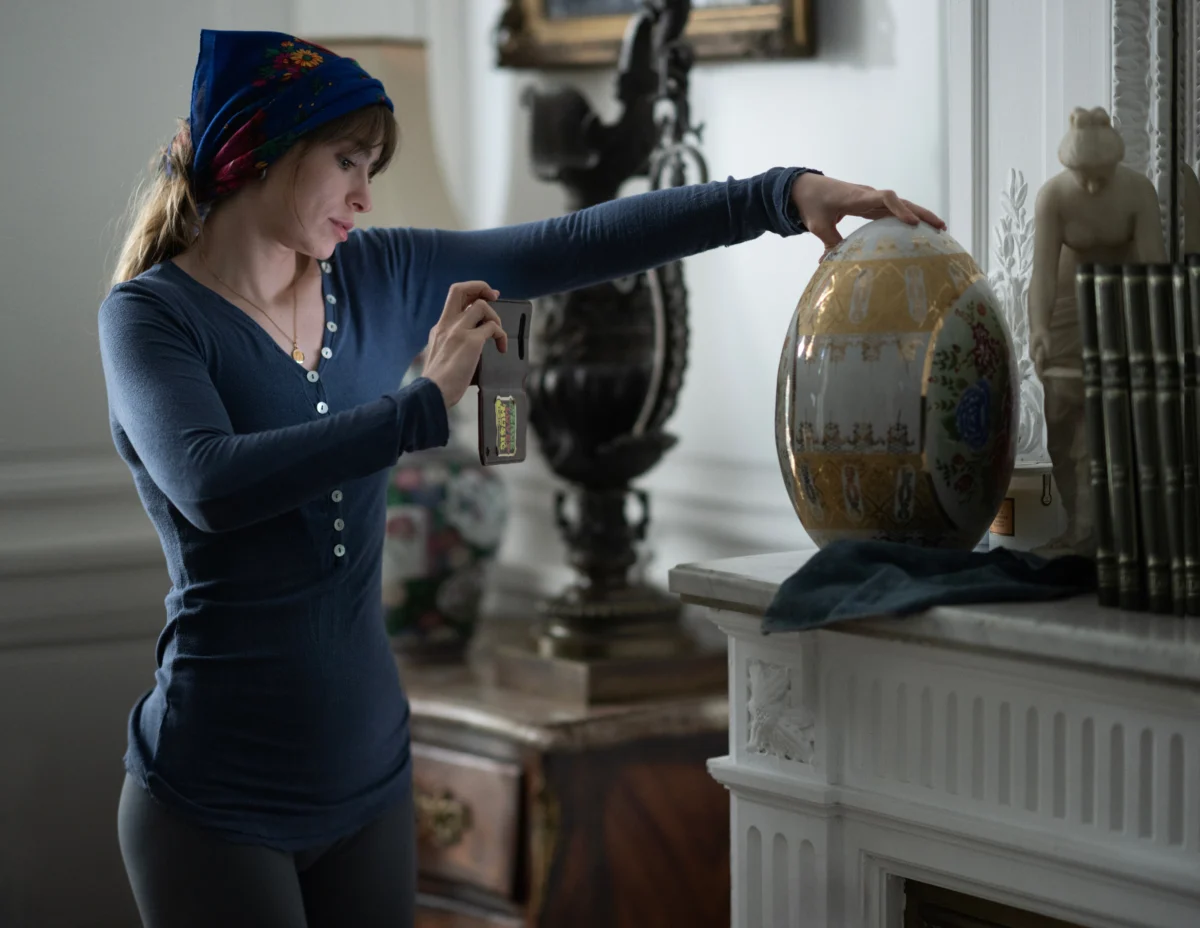
Radu Jude has established himself as the provocateur of Romanian cinema, known for his acerbic wit and penchant for deconstructing historical traumas. In The Diary of a Chambermaid, Jude returns to themes of labor, class, and the performance of history. Daniels and Prakash discuss how Jude utilizes the source material to comment on modern hierarchies. The film is characterized by a stark visual language that refuses to romanticize the period piece, opting instead for a gritty, almost documentarian approach to the domestic space.
2. Marie Kreutzer: Gentle Monster (19:55)
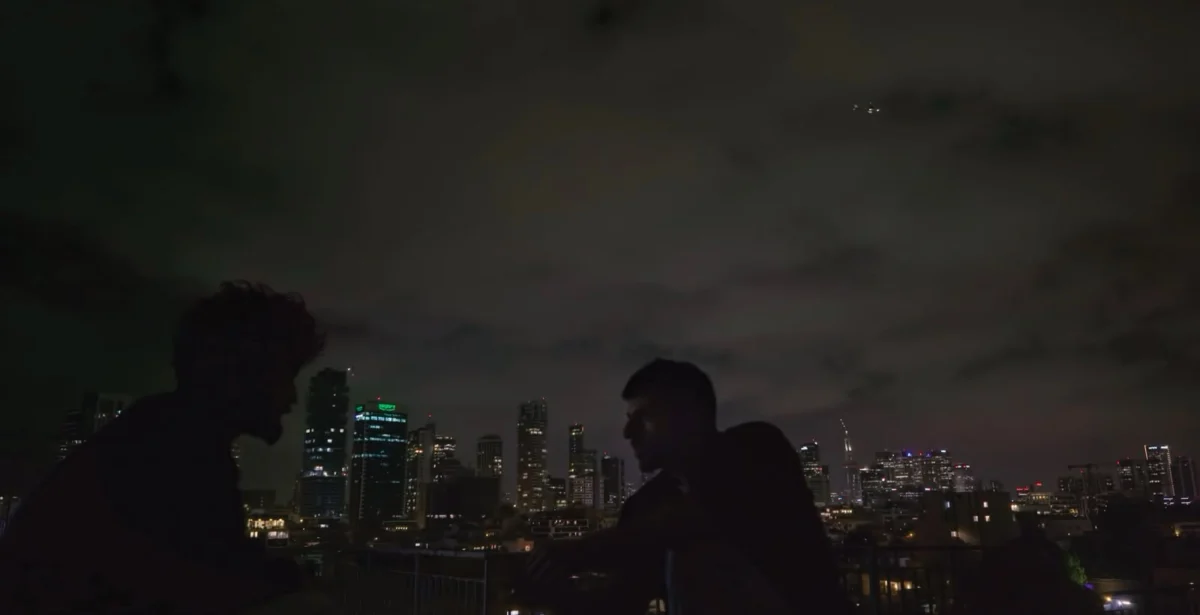
Marie Kreutzer, having previously explored the psychological weight of historical figures, turns her lens toward the contemporary in Gentle Monster. The critics explore how Kreutzer navigates the intersection of trauma and identity in this latest work. The discussion highlights the film’s meticulous pacing and the subtle, often unnerving performances that have become a hallmark of Kreutzer’s filmography. It is a work that demands patience, rewarding the viewer with a profound examination of how monsters are created within the confines of polite society.
3. Ryūsuke Hamaguchi: All of a Sudden (28:16)
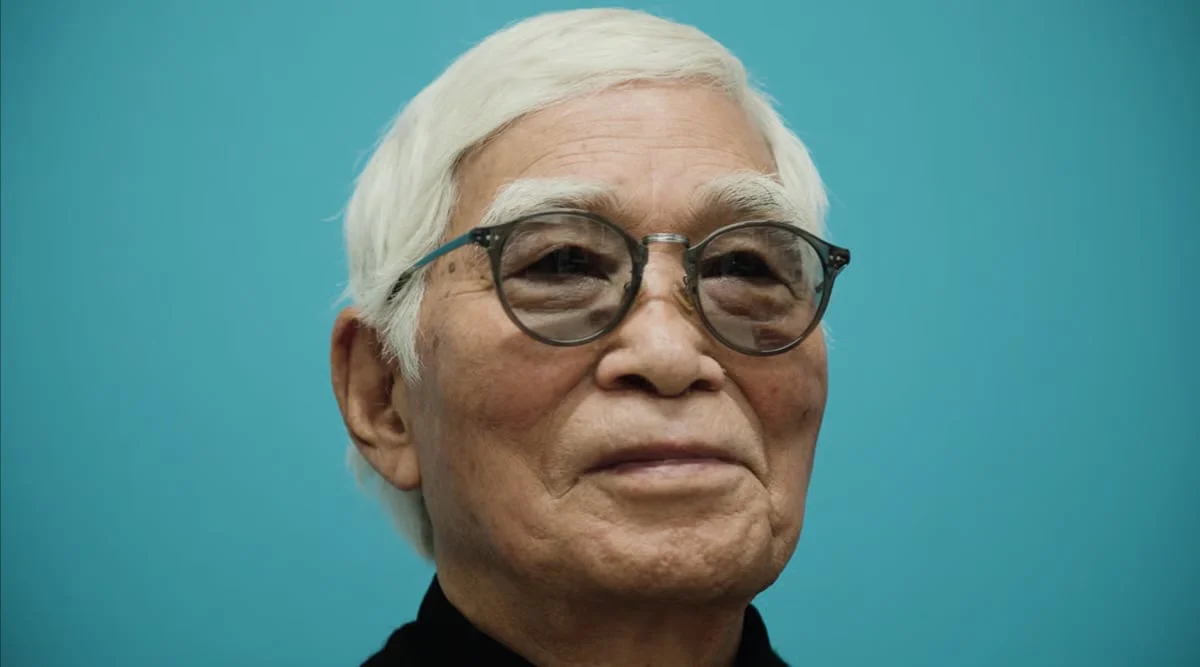
Following a string of internationally acclaimed successes, Ryūsuke Hamaguchi’s All of a Sudden arrives at Cannes with immense weight on its shoulders. Daniels and Prakash analyze Hamaguchi’s signature "theatrical realism"—the way he directs his actors to recite dialogue with a rhythmic, almost mechanical precision that eventually gives way to raw emotional vulnerability. The film serves as an interrogation of chance and connection, themes that Hamaguchi has explored throughout his career, yet here, he strips the narrative down to its most elemental parts.
Supporting Data: The Critical Consensus
The inclusion of these three films in the Film Comment podcast is not incidental; they represent the diversity of thought currently circulating in the press rooms of the Palais des Festivals.

- Radu Jude’s Formalism: Early reception suggests that Jude’s work is polarizing, a standard reaction for a filmmaker who explicitly refuses to provide easy answers to the historical questions he poses.
- Kreutzer’s Psychological Depth: Initial buzz indicates that Gentle Monster is being hailed as a masterclass in tension, with many critics citing it as a frontrunner for screenplay-related accolades.
- Hamaguchi’s Narrative Precision: Data from the early critics’ grids show high marks for Hamaguchi’s direction, though the length and pacing of All of a Sudden have sparked debates regarding the necessity of its structure.
Official Responses and Industry Context
The response from the festival’s artistic directorate has been one of validation. In brief remarks to the press, organizers noted that the 2026 selection aims to "bridge the gap between the traditional prestige of the Croisette and the radical new languages of global cinema."
For the filmmakers themselves, the pressure of the Cannes premiere remains the ultimate test. Radu Jude has famously remarked that his films are not designed to be "liked," but to be "interrogated," a sentiment that seems to permeate the entirety of this year’s competition. Marie Kreutzer’s team has expressed that the goal of Gentle Monster was to create a "mirror for the viewer," forcing them to confront their own complicity in the societal structures depicted on screen. Ryūsuke Hamaguchi, notoriously understated, has suggested that his work on All of a Sudden was an attempt to capture "the sound of silence between human beings," a motif that clearly resonates with the critical consensus.
Implications for the 2026 Awards Season
As we look toward the closing ceremony, the discourse generated by Daniels and Prakash serves as a precursor to the inevitable conversations regarding the Palme d’Or and the various jury prizes.
The primary implication of this year’s lineup is the erosion of the line between "festival film" and "mainstream narrative." By prioritizing films that demand intellectual labor from the audience, the Cannes selection committee is effectively setting the agenda for what constitutes "serious" cinema for the remainder of the year.
Furthermore, the prominence of these three filmmakers signals a shift in the international distribution market. Films like All of a Sudden and The Diary of a Chambermaid are being positioned not just as festival highlights, but as essential viewing for an international audience increasingly interested in high-concept, non-Western, and experimental European narratives.
The Role of Criticism in a Digital Age
The podcast serves as a reminder of the vital role that film criticism plays in the ecosystem of the festival. In an era of instant reactions and social media soundbites, the long-form, thoughtful, and often debating-based approach of Film Comment provides the necessary context to appreciate the nuances of the work on screen. As Robert Daniels and Inney Prakash conclude in their discussion, the true value of Cannes is not in the awards themselves, but in the sustained conversation that these films provoke long after the credits roll.
Conclusion: A Call to Engage
As the Film Comment team continues its coverage, the message to the audience remains clear: stay curious. The 2026 Cannes Film Festival is a complex, multifaceted event, and the best way to navigate it is through the lenses of those dedicated to the rigorous analysis of the moving image.
We invite our readers to subscribe to Film Comment to access our full suite of coverage, including the complete archive of our daily podcasts from the Croisette, exclusive interviews with the masters of modern cinema, and our comprehensive Cannes Critics’ Grid. Whether you are in the Palais or following from afar, our coverage is designed to ensure you don’t just watch the films—you understand them.
This story is part of the Summer 2026 issue of Film Comment. To stay up-to-date with all our Cannes coverage, sign up for The Film Comment Letter.