A New Era for the San Sebastián International Film Festival: A Deep Dive into the 2026 Spanish Lineup
As the leaves begin to turn in the Basque Country, the San Sebastián International Film Festival (SSIFF) prepares to cement its status once again as the premier cinematic gateway to the Spanish-speaking world. The 2026 edition, however, carries a distinct weight of transition. It marks the final festival under the stewardship of director José Luis Rebordinos, a figure whose tenure has been synonymous with the professionalization, international expansion, and industrial stability of Spanish cinema.
As the industry looks toward a future helmed by Maialen Beloki, who assumes the director’s mantle on January 1, 2026, the current slate of Spanish titles reflects both the maturity of established masters and the daring energy of a new generation.
The Winds of Change: A Measured Succession
The emotional highlight of the festival’s launch was the sight of Rebordinos and Beloki sharing the stage to announce the 23 Spanish titles. The audience’s spontaneous, standing ovation for Rebordinos was more than a polite gesture; it was an acknowledgment of a legacy that saw Spanish cinema and high-end television series blossom into global powerhouses.
Beloki’s appointment is widely viewed as a "carefully prepared succession," intended to maintain the festival’s trajectory. Her challenge, and that of the festival as a whole, is to navigate an increasingly competitive festival circuit. With major titles like Pedro Almodóvar’s Bitter Christmas and the Javier Ambrossi and Javier Calvo collaboration The Black Ball (known in Spanish as La Bola Negra) having premiered at Cannes, the "obvious" hits of the year have already made their mark. This, however, has proven to be a blessing in disguise for San Sebastián, forcing the curation team to dig deeper into the talent pool.
Main Competition: The Fight for the Golden Shell
The 2026 main competition is defined by a refreshing sense of discovery. For the first time, filmmakers Berto Romero and Roberto Bueso are competing for the coveted Golden Shell, signaling a shift in the festival’s hierarchy of talent.
Five More Minutes (Javier Ruiz Caldera)
Directed by Ruiz Caldera but undeniably the brainchild of comedian Berto Romero, Five More Minutes is a daring genre-blend. Featuring the gravitas of Javier Cámara and Goya-winner Belén Cuesta, the film utilizes a low-fi sci-fi premise—a couple trapped in a time-loop at a country retreat—to explore the anxieties of modern relationships. It marks a significant pivot for Romero, who is proving that his hallmark humor can seamlessly inhabit dark, horror-laced narratives.
El Mal Padre (Roberto Bueso)
Bueso, following the success of 2022’s Full of Grace, brings a family dramedy to the screen that hinges on the powerhouse performance of Eduard Fernández. Playing a celebrated writer seeking a final reconciliation with his estranged children at their childhood summer home, Fernández—a four-time Goya winner—is expected to be a frontrunner for the festival’s acting honors.
Sants (Mikel Gurrea)
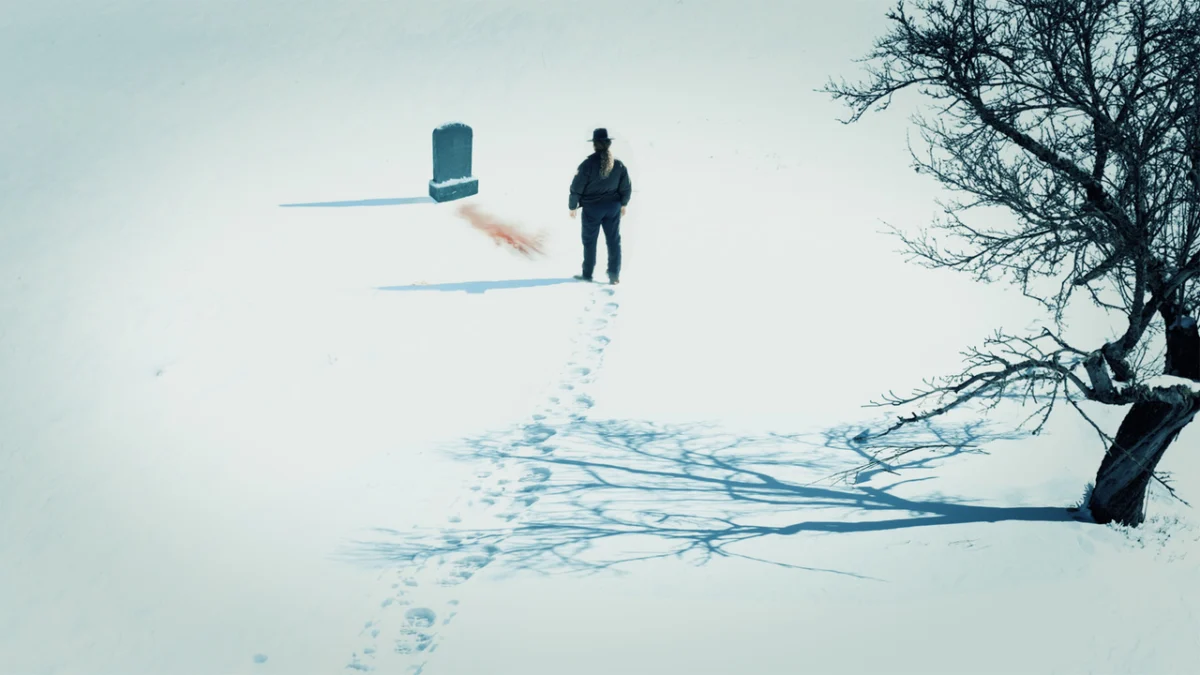
Mikel Gurrea, who previously turned heads with Suro, returns with Sants. Starring Vicky Luengo, the film follows a young woman whose life spirals as she balances the care of her dying mother with her involvement in a gang of thieves who plunder statues from churches and cemeteries. It is a stark, atmospheric exploration of desperation and moral ambiguity.
Beyond the Shell: Out of Competition and Special Screenings
The festival’s out-of-competition and special screenings serve as the heartbeat of the event, showcasing the structural shift in how Spanish stories are told.
The Rise of High-End Series
The collaboration between major platforms and festival-circuit auteurs remains strong. El Castillo, created by Isabel Peña and Eduardo Villanueva (the writers behind the hit series Riot Police), is a fictionalized, hard-hitting chronicle of the transformation of roadside brothels into organized crime syndicates. With direction from Elena Martín and Sandra Romero, it represents the kind of "prestige TV" that the festival has successfully integrated into its programming.
Historical Reckonings
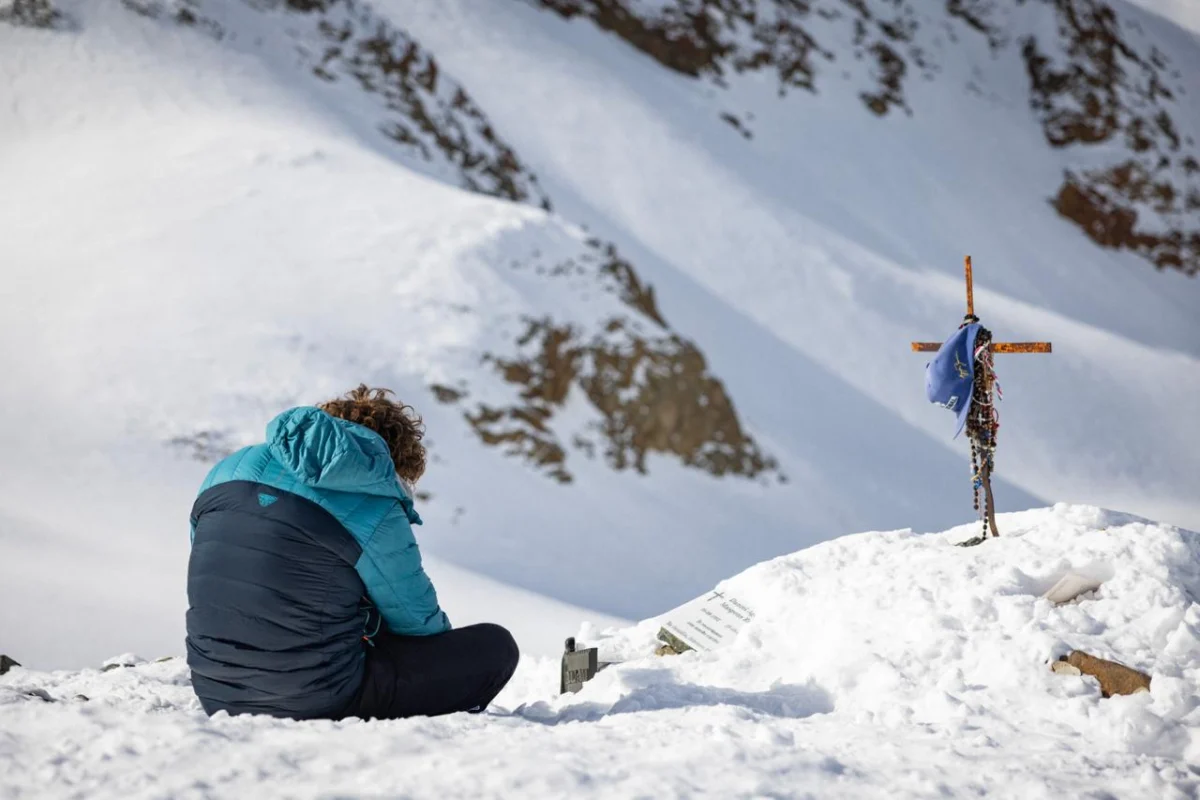
J.A. Bayona’s Beyond Society (a companion piece to Society of the Snow) takes a non-fiction approach, examining the trauma of the 1972 Andes flight survivors upon their return home. Meanwhile, Daniel Monzón’s Pray For Us offers a searing denunciation of the Women’s Protection Board—a state-backed institution used for the systemic confinement of women during the Franco era. These films underscore a national trend of using cinema to confront the darker, often ignored, chapters of Spanish history.
The Industrial Landscape: Financing and Distribution
The strength of this year’s lineup is supported by a robust industrial framework. Companies like Arcadia Motion Pictures (the force behind Robot Dreams and The Beasts) and platforms like Movistar+ are proving that high-quality, local storytelling has global legs.
The total budget for David Pérez Sañudo’s historical thriller The Harvester (an estimated $11.5 million) marks a notable increase in the scale of Spanish production. This film, which dramatizes the 1870s story of Spain’s first documented serial killer, represents a "step up" in production values for a director previously known for his fluid, small-scale genre work.
New Directors and the Future of the Craft
The "New Directors" section remains vital for identifying the next generation of Spanish auteurs. Javier Giner’s Esa soledad provides a searing, intimate portrait of millennial existential dread, while Jaime Lorente—the Money Heist breakout—makes his directorial debut with El mal hijo. Set in Murcia, Lorente’s coming-of-age story about a boy navigating life after being abandoned by his father offers a grounded, regional perspective that the festival has always championed.
Latin American Synergy: The Horizontes Latinos Section
San Sebastián continues to act as the primary bridge to Latin American cinema. This year’s Horizontes Latinos selection is particularly strong, featuring:
- Diego Luna’s Ashes: A raw, gritty look at the immigrant experience in Madrid.
- Fernando Eimbcke’s Flies: A character-driven drama about poverty and unexpected connection.
- Marcelo Martinessi’s Narciso: A queer political mystery set against the backdrop of the 1959 Paraguayan dictatorship.
Implications for the Industry
The 2026 San Sebastián Film Festival arrives at a unique crossroads. The absence of "Cannes-selected" films in the main competition is not a failure, but rather an opportunity for the festival to define its own identity beyond the shadow of the French giants.
By prioritizing debut features, socially conscious non-fiction, and elevated genre work, the festival is reinforcing the idea that Spanish cinema is not just a collection of star-studded dramas, but a diverse ecosystem of creators, writers, and producers. As José Luis Rebordinos prepares to pass the torch to Maialen Beloki, the message is clear: the festival is stable, the talent is abundant, and the appetite for stories that challenge, unsettle, and enlighten remains the guiding force of the event.
The 2026 edition will be remembered as the moment the festival stopped chasing the "prestige" of other events and fully embraced its role as the definitive curator of the Spanish and Latin American cinematic soul. Whether through the lens of a historical thriller or the quiet moments of an existential dramedy, the lineup promises to keep the world’s eyes fixed firmly on the Basque coast.