TORONTO — Filmmaker Anna Biller poured plenty of blood into The Face of Horror, her striking and heartbreaking ghost story that debuted at the 2026 Toronto International Film Festival. She just isn’t sure it was enough blood for certain audience members at its Midnight Madness world premiere.
"I’m not sure it was 100 percent the right crowd," Biller told IndieWire the day after the screening. "I think they wanted something more gory."
While Biller stressed that the screening went well and the room remained deeply engaged, she suspects that a contingent of "dude bros" in attendance would have preferred fewer monologues and a higher body count. Rather than seeing this as a simple mismatch of expectations, the writer-director views it as a symptom of a deeper industry bias—one that reduces female-driven arthouse cinema to mere novelty, dismissing its heavy psychological underpinnings when it fails to cater strictly to male genre appetites.
Main Facts: A Bold Shift to 14th-Century England
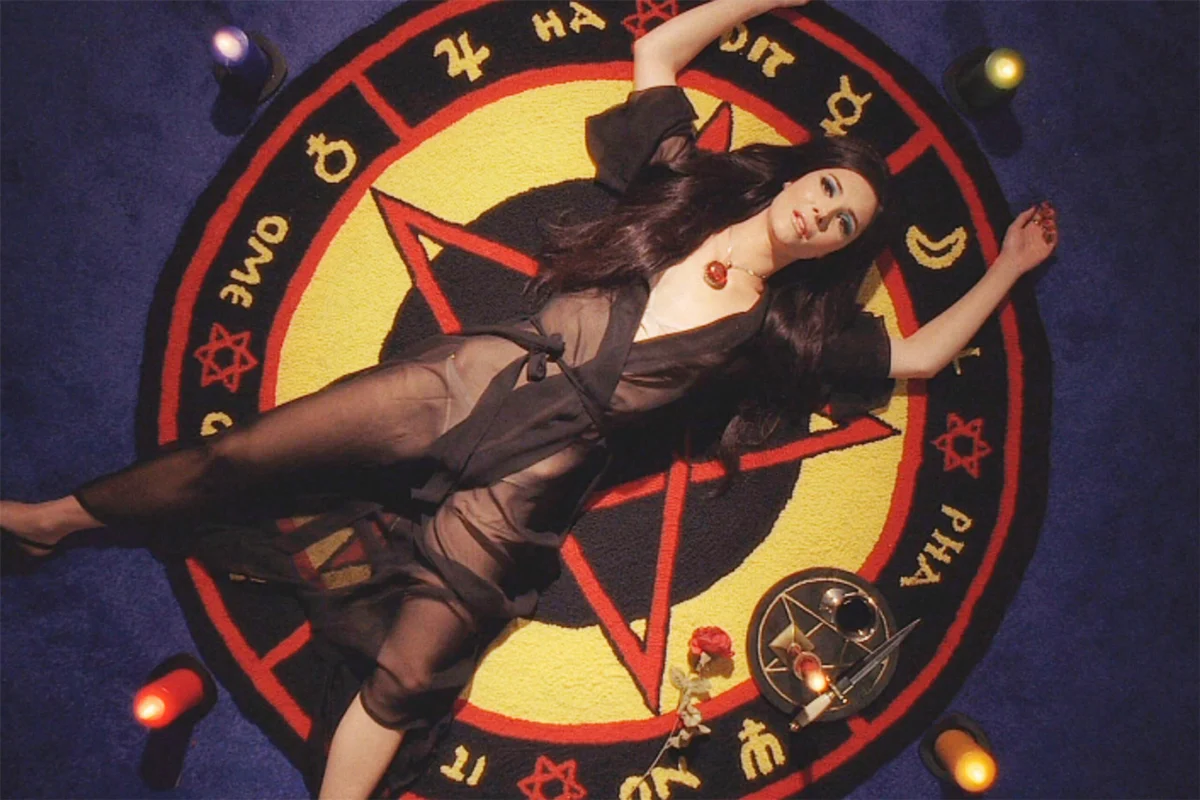
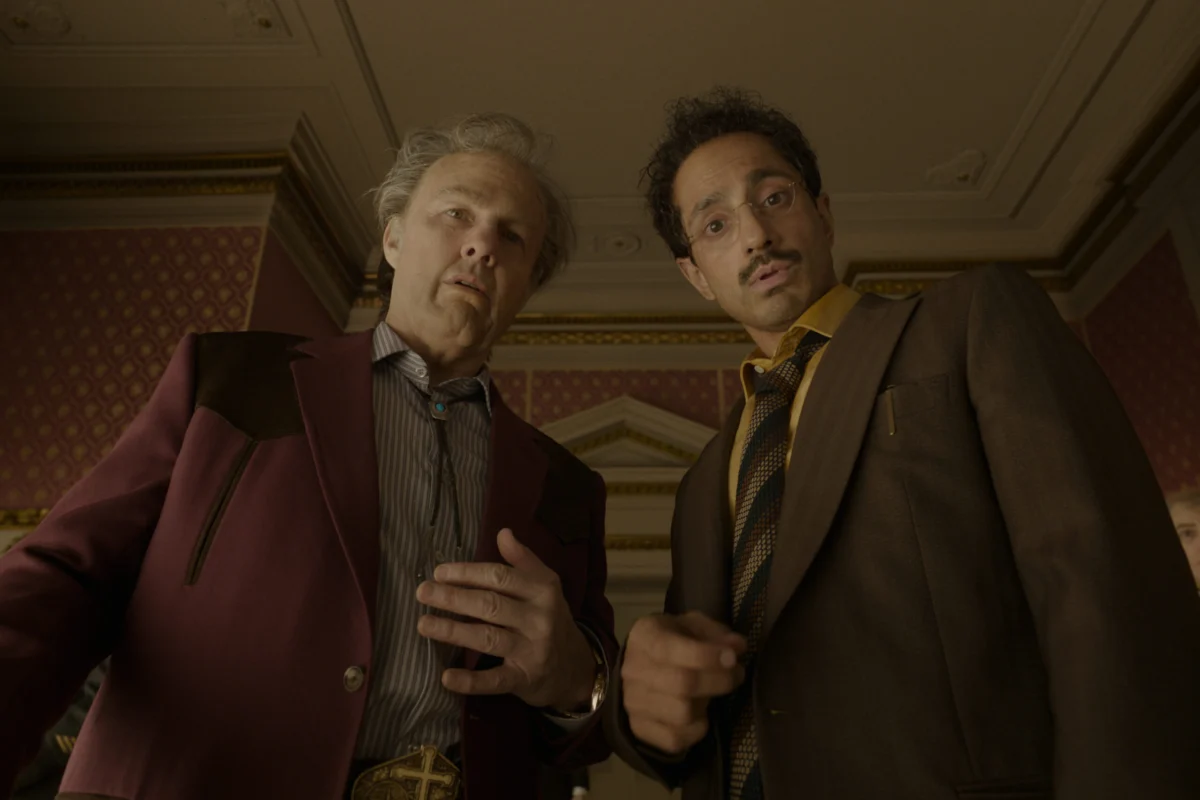
The Face of Horror marks Biller’s third feature film, following her acclaimed 2007 debut Viva and 2016’s cult classic The Love Witch. Relocating the famous Japanese ghost story Yotsuya Kaidan to 14th-century England, the film stars Kristine Froseth as Eleanor, a pure-hearted woman whose clandestine marriage to a handsome knight, played by Jonah Hauer-King, transforms into a waking nightmare.
Alongside Eleanor is her devoted sister, Beatrice, portrayed by Ellie Bamber, whom Biller describes as the emotional "final girl" of the narrative. Rather than relying on cheap jump scares, the film functions as a tragedy about medieval misogyny—one that Biller argues bears an uncomfortable, almost taboo resemblance to the modern challenges facing women and girls today.
Chronology: From Creative Burnout to an Expanded Canvas
To understand the hard-fought victory of The Face of Horror, one must trace the winding trajectory of Biller’s career and the systemic roadblocks that nearly pushed her out of the industry entirely.
The DIY Era of The Love Witch
For years, Biller has been celebrated for her exquisite, painterly visual style, yet routinely penalized for asking audiences to engage deeply with the emotional pain beneath her genre frameworks. On The Love Witch, budgetary constraints forced Biller to spend over two years drafting patterns and sewing costumes by hand. Rather than a symptom of micromanagement, this was a survival tactic to protect the movie’s visual integrity.
The Hurdles of Bluebeard’s Castle
Following the success of The Love Witch, industry enthusiasm failed to translate into tangible power or financing. Biller faced a brick wall trying to fund an ambitious Gothic romance, Bluebeard’s Castle. Though widely praised as a brilliant script, the project fell into a programming no-man’s-land. Producers and festival programmers struggled to categorize it—unsure if it belonged in main competition, platform, or midnight slots—ultimately pushing it toward midnight sections out of a reluctance to take its vibrant, stylized color palette seriously. Biller eventually transformed that unmade screenplay into her debut novel, published by Verso Books.
A Professional Line in the Sand at TIFF 2026
Exhausted by the uphill battle for financing, Biller admitted she was ready to quit filmmaking altogether. The Face of Horror served as a professional line in the sand. With the backing of a professional production infrastructure—including a dedicated costume department with cutters, drapers, and stitchers—Biller finally experienced how traditional studio filmmaking operates. The resulting film premiered to robust discussion at TIFF 2026, though it is currently seeking U.S. distribution.
Supporting Data and Production Insights
The production of The Face of Horror highlights a rare intersection of auteur control and traditional Hollywood collaboration. Having previously worked in virtually every behind-the-scenes department, Biller arrived on set with an intimate fluency in her collaborators’ needs.
Costume Design: Unlike The Love Witch, where she constructed every outfit herself to avoid substandard wardrobe choices, Biller commanded a full costume room, resulting in a lush fantasyland that honors her precise aesthetic vision.
Lighting and Framing: Biller deliberately utilizes lighting to separate her characters from their opulent environments, forcing the audience to focus squarely on the psychological "soul" of the character rather than getting lost entirely in the production design.
On-Set Emotional Intensity: During a particularly bloody sequence, star Kristine Froseth became so overwhelmed by the emotional weight of her character’s trauma that she temporarily walked off set in tears. Biller recalled that she was crying as well, emphasizing that the intense emotional labor shared between director and actor underscores the profound sincerity of the film’s pain.
Official Responses and Perspectives
Biller has been vocal about how critical reception often undermines female-centric storytelling. Early Letterboxd reviews that write off The Face of Horror as a comedy, or complain about its two-hour runtime, highlight what she calls a "staggering" lack of empathy.
"I see women suffering, and I experience it," Biller said. "I see the unfairness that women are subjected to in the world just every single day that’s not talked about. It’s a real problem in women’s lives."
The director specifically targeted the use of the word "camp" when applied by male-dominated genre audiences to dismiss female pain. While she acknowledges the presence of dark humor and catharsis—staples of the revenge-thriller genre—she argues that labeling her methodical, intentional tragedy as "campy" functions as a deliberate defense mechanism.
"There’s a defensiveness," Biller observed. "Like, ‘Please don’t take this seriously because if we do, then it indicts us as men.’ And I think especially horror fans, their entertainment is very safe for them because they don’t ever have to see men called out for anything."
Implications for the Industry
The reception and distribution journey of The Face of Horror point to persistent structural issues within the independent film ecosystem regarding how female auteurs are categorized and funded.
By refusing to soften her artistic palette or dilute the feminist critique at the core of her narratives, Biller challenges the gatekeepers of genre cinema. Her work forces a reckoning within festival programming and distribution markets, asking why vibrant colors and stylized worlds in the hands of a female director immediately invite labels of "non-serious" camp, whereas similar formal choices by male auteurs are celebrated as high art.
As The Face of Horror seeks a U.S. home following its high-profile Midnight Madness premiere at TIFF 2026, it stands as an uncompromising reminder of what happens when a singular visionary is finally given the resources to match her ambition—proving that beauty, blood, and a demand for female dignity can comfortably, and violently, coexist.