Takaichi’s Strategic Pivot: A Calculated Cabinet Reshuffle Amid Political Turbulence
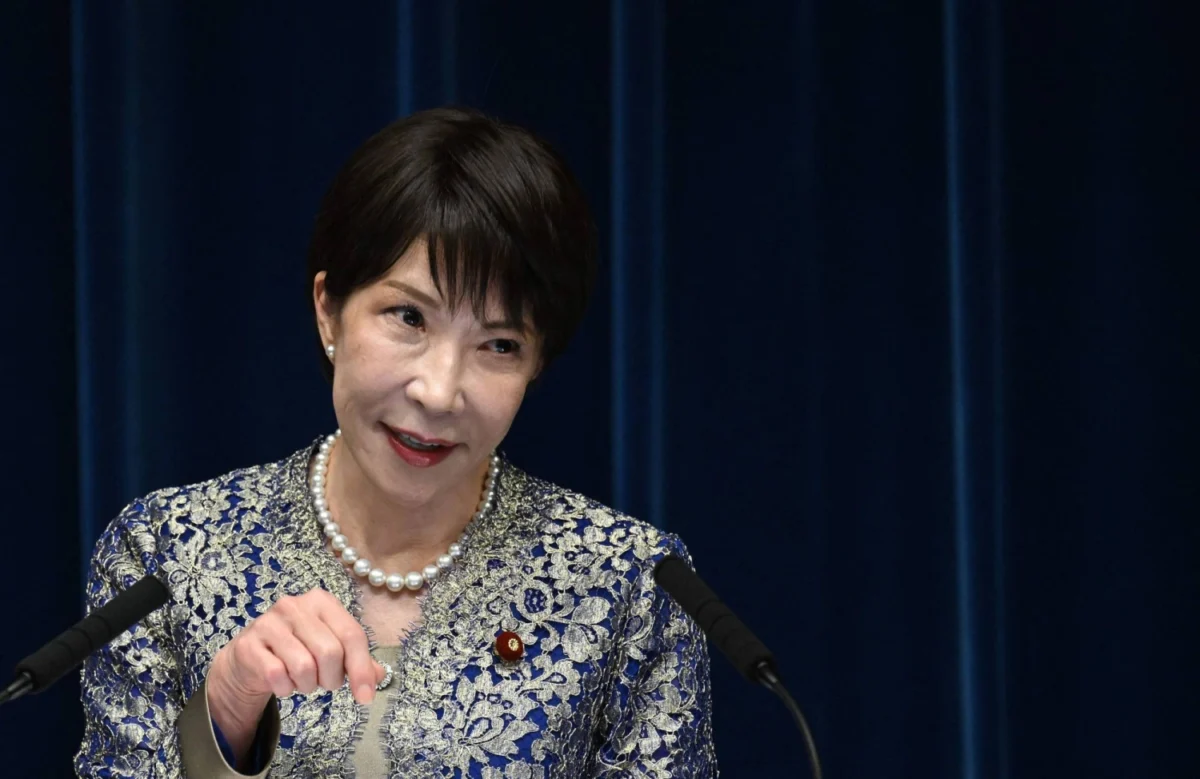
TOKYO — In a move that has both surprised and puzzled political observers in the capital, Prime Minister Sanae Takaichi unveiled a restructured Cabinet on Thursday, marking her first significant personnel shake-up since assuming office. While the visual imagery of the day—a stoic Prime Minister standing before the press at the Kantei—suggested a major pivot, the underlying reality is one of cautious stabilization. By maintaining the core architecture of her administration while pruning the edges, Takaichi is attempting to navigate a treacherous political landscape defined by sagging approval ratings and an impending Liberal Democratic Party (LDP) leadership contest.
The Core of the Reshuffle: Stability Over Radical Reform
The reshuffle, which saw more than half of the Cabinet ministers replaced, bears the hallmarks of a leader prioritizing continuity over upheaval. Despite the numerical turnover, the "heavyweights"—the ministers holding the most sensitive portfolios—remain firmly in their seats.
The strategy appears to be a defensive maneuver. Takaichi has opted to keep her key economic and diplomatic architects intact, signaling to both domestic markets and international partners that the nation’s policy trajectory remains unchanged. However, the optics of replacing over 50% of her Cabinet suggest a desire to inject fresh energy into a government that has struggled to capture the public imagination in recent months.
The most provocative inclusion in the new lineup is the appointment of a member from the Japan Innovation Party (Nippon Ishin no Kai). This cross-party cooperation is a rare departure from LDP dominance and serves as a signal that Takaichi is willing to broaden her base to counter internal dissent.
Chronology: A Day of High-Stakes Personnel Management
The events of Thursday unfolded with the precision expected of the Prime Minister’s Office:
- 09:00 AM: Initial rumors of the reshuffle reach a fever pitch as major LDP factions hold emergency morning meetings.
- 11:30 AM: The official list of new ministerial appointees is circulated to the press corps. The omission of several high-profile critics of the current administration confirms that Takaichi has chosen to marginalize her internal rivals.
- 02:00 PM: The formal attestation ceremony takes place at the Imperial Palace.
- 05:00 PM: Prime Minister Takaichi conducts a televised news conference. Her tone is measured, emphasizing the need for "unity and execution" in the face of economic uncertainty.
- 07:00 PM: Analysts begin dissecting the departure of a high-profile "future prime minister hopeful," whose exit suggests that Takaichi is clearing the path for her own long-term tenure by removing potential challengers from the Cabinet’s inner circle.
Supporting Data: The Political Calculus
To understand why this reshuffle occurred, one must look at the data currently haunting the Kantei. Public approval ratings for the Takaichi administration have seen a steady, downward trend over the last two quarters. Recent polling indicates that voters are increasingly dissatisfied with the current pace of wage growth and the rising cost of living.
Key Personnel Shifts
- Retention Rate: 100% of core LDP executives were retained, signaling that while Takaichi is willing to swap ministers, she is unwilling to compromise on the party’s power structure.
- The "Innovation" Variable: The appointment of an Ishin-affiliated member is a strategic gamble. By pulling a member of an opposition-leaning party into the fold, Takaichi is effectively neutralizing a vocal critic in the Diet while simultaneously signaling to the electorate that she is willing to engage in non-traditional coalition building.
- The Exits: The removal of the LDP’s Upper House secretary-general and a prominent leadership hopeful represents a "clean house" strategy. These individuals were viewed by some as potential catalysts for a post-Takaichi transition. Their removal effectively stifles any immediate momentum for a leadership challenge.
Official Responses and Political Repercussions
In her press conference, Prime Minister Takaichi addressed the perceived lack of major structural change directly. "This Cabinet is built for action," she stated. "We are in a volatile global environment, and stability in our core leadership is not a weakness; it is a necessity."
When pressed about the removal of key party figures, Takaichi maintained a firm, diplomatic front. She characterized the changes as "the natural evolution of a government responding to changing national priorities."
The opposition, however, was less convinced. Leaders of the Constitutional Democratic Party of Japan (CDP) labeled the move "a superficial reshuffle of chairs on a sinking ship." The sentiment among critics is that Takaichi has missed an opportunity to address the deeper issues of transparency and policy stagnation that have plagued the LDP for the last year.

Implications: The Road to the Leadership Race
The implications of this reshuffle extend far beyond the next few months; they are a direct preparation for the upcoming LDP leadership race. By reshuffling the Cabinet now, Takaichi has successfully occupied the political news cycle and forced her rivals to react to her agenda.
1. Strengthening the Inner Circle
By keeping key allies in place and removing potential successors, Takaichi has signaled that she intends to run for another term as party leader. This is a bold move, given the cooling of public support, but it underscores a classic LDP political tactic: when the base is weak, consolidate the power at the top.
2. The Ishin Factor
The inclusion of a Japan Innovation Party member is perhaps the most significant long-term indicator. If the LDP continues to lose seats in future elections, Takaichi is positioning herself to be the leader who can successfully negotiate a formal coalition or a "confidence and supply" arrangement with the Innovation Party. This is a pivot toward a more flexible, if less traditionally conservative, future for her administration.
3. Managing Intraparty Discord
The "specter of a declining approval rating" has long been a source of tension between Takaichi and the LDP’s more moderate wings. By keeping the Cabinet’s economic team unchanged, she is betting that a sudden recovery in the stock market or a successful rollout of new cost-of-living subsidies will be enough to turn the tide of public opinion before the leadership vote.
Conclusion: A Gamble on Continuity
The Prime Minister’s Thursday reshuffle is a masterclass in political survival. It is neither the sweeping change that some observers hoped for, nor is it the status quo that others feared. Instead, it is a surgical adjustment designed to insulate the administration from immediate threats while buying time to stabilize the economy.
Whether this strategy will pay off depends on two factors: the reaction of the Japanese public to the new faces in the Cabinet and the performance of the economy in the coming quarter. If the public perceives these changes as merely cosmetic, Takaichi may find herself even more isolated when the leadership race finally arrives. However, if she can successfully leverage the inclusion of the Japan Innovation Party to pass key legislation, she may find the political capital necessary to secure her position for years to come.
In the hallways of the Kantei, the mood is one of cautious optimism. The chess pieces have been moved, the board has been cleared of immediate threats, and for now, the Prime Minister remains in control. But as the political calendar pushes toward the autumn, the pressure will only mount. Takaichi has made her move; now, she must wait to see if the nation follows.
Quality journalism is the bedrock of a functioning democracy. As political landscapes shift, the need for clear, objective reporting on the machinations of power has never been greater. We invite our readers to support our mission by subscribing to our digital platform, ensuring that we can continue to provide in-depth analysis on the issues that shape our future.