The 78th Emmy Awards: A Strategic Overhaul of Television’s Biggest Night
The Television Academy has officially set the stage for the 78th Primetime Emmy Awards, signaling a significant shift in the production philosophy of the industry’s most prestigious ceremony. As the entertainment landscape continues to evolve in a post-peak-TV era, the Academy is streamlining its primary telecast to maximize viewer engagement. This year, the marquee event will undergo a structural transformation, with several key acting categories moving from the main NBC broadcast to the Creative Arts ceremonies, which are scheduled for the weekend prior to the big night.
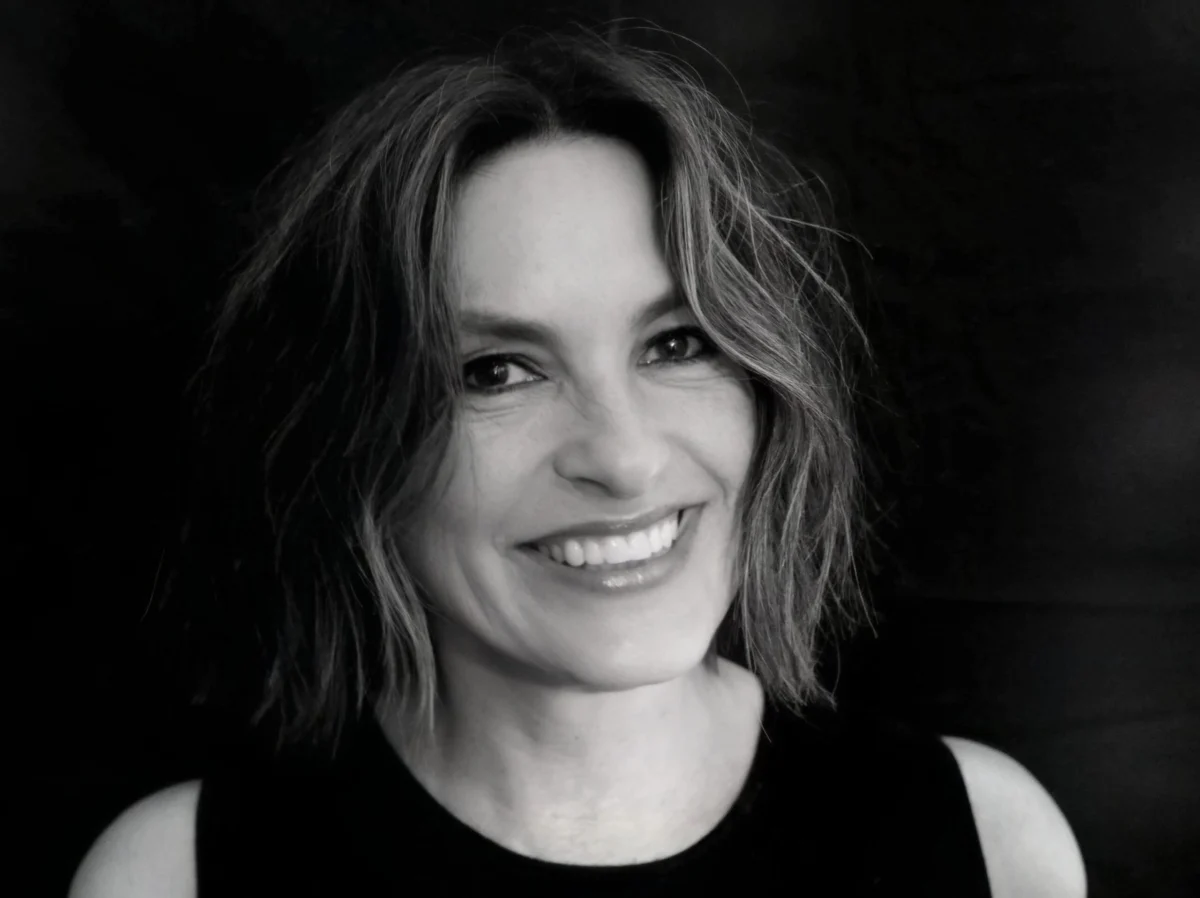
With legendary Law & Order: SVU star Mariska Hargitay tapped to host and the ceremony slated for September 14, the industry is bracing for a production that promises to balance tradition with a modern, fast-paced format.
The Structural Shift: A New Vision for the Broadcast
For decades, the Primetime Emmy Awards have wrestled with the logistical challenge of honoring the sheer volume of high-quality television produced in a given calendar year. The result has often been a bloated telecast that pushes well beyond its intended time slot. This year, the Television Academy is taking decisive action to rectify the pacing issues that have plagued the show in recent cycles.
The Academy has confirmed that a selection of major categories—most notably Best Supporting Actor and Best Supporting Actress in a Limited or Anthology Series or Movie—will be moved to the two Creative Arts ceremonies, held on September 5 and 6 at the Peacock Theatre.

According to official statements, this change is part of a broader strategy to deliver a "fresh new take" on the broadcast. The goal is to focus the three-hour NBC telecast on the most high-profile races while ensuring the show maintains a momentum that resonates with a global audience. By shifting these categories to the Creative Arts ceremonies, the Academy aims to highlight the craft and artistry of television in a more intimate setting, while allowing the live show to prioritize the blockbuster moments and performances that drive social media discourse and general interest.
Chronology of the 2026 Awards Season
The road to the 78th Emmy Awards has been a brisk and highly competitive journey. Following a robust eligibility window, the Television Academy moved quickly to finalize the field.
- July 8, 2026: The official nominations for the 78th Primetime Emmy Awards were revealed. The morning announcement sent shockwaves through the industry, highlighting a diverse array of new hits and returning juggernauts that have defined the past twelve months of television.
- Late July 2026: Following the nominations, the Academy began internal discussions regarding the logistics of the ceremony, eventually finalizing the decision to shift specific categories to the Creative Arts nights to prioritize broadcast pacing.
- September 5–6, 2026: The two-night Creative Arts Emmy Awards will take place. These ceremonies are the engine room of the Emmys, honoring the technical, craft, and—as of this year—several expanded performance categories.
- September 14, 2026: The 78th Primetime Emmy Awards will air live coast-to-coast on NBC and stream on Peacock at 8 p.m. ET / 5 p.m. PT. The ceremony will be held at the Peacock Theatre at L.A. Live in Los Angeles.
Mariska Hargitay: A Cultural Icon Takes the Stage
The selection of Mariska Hargitay as the host for the 78th edition is widely viewed as a masterstroke in branding. As a television fixture whose career has spanned decades and whose impact on both the industry and the public consciousness is unparalleled, Hargitay embodies the longevity and dedication the Academy seeks to honor.
"Bringing important stories into the light has been the heartbeat of my career," Hargitay noted in an exclusive statement to Gold Derby. "It’s my great honor to host the 78th Emmy Awards—in the 100th birthday year of my beloved NBC—and celebrate this extraordinary community of storytellers."

Hargitay’s connection to the audience is unique. As the lead of Law & Order: SVU, she has maintained a constant presence in American households for nearly three decades, bridging the gap between traditional broadcast television and the new era of streaming.
Television Academy Chair Cris Abrego echoed the sentiment, noting, "Mariska is one of television’s most beloved stars, whose talent, authenticity, and extraordinary connection with audiences have made her an enduring force in our industry and in culture. We’re so delighted to have her join us as the host of this year’s Emmys telecast and know that she will create an unforgettable evening honoring the very best of television."
Production and Creative Direction
While the host provides the face of the ceremony, the heavy lifting of production falls to the team at Jesse Collins Entertainment. Known for their high-energy, visually dynamic work on major live events, Jesse Collins, Dionne Harmon, and Jeannae Rouzan-Clay have been tasked with executive producing the 78th telecast.
The pressure on this team is immense. They are not only tasked with managing a tight, three-hour runtime but also with modernizing a format that has struggled to maintain viewership in the face of fragmented media consumption. Their strategy appears to lean heavily on the "celebration of the moment," focusing on the community of storytellers—from the costumers and sound designers to the writers and actors—who make the medium possible.

Implications for the Industry
The decision to move categories away from the primary telecast is not without controversy. In years past, winners in supporting categories have often provided some of the most emotional and memorable speeches of the night. Critics of the move argue that reducing the number of acting awards on the main stage diminishes the prestige of those specific honors.
However, the Academy’s counter-argument is rooted in the harsh realities of modern television ratings. In an era where viewers have near-limitless choices, the "event" status of the Emmys must be earned through tighter pacing and higher production values. By ensuring that the main telecast is filled with "must-see" moments, the Academy hopes to boost the overall engagement of the broadcast, which in turn benefits the entire industry.
Furthermore, the Creative Arts ceremonies have grown in stature over the last decade. By placing significant acting categories within these nights, the Academy is effectively elevating the prestige of the Creative Arts, ensuring that those two nights are no longer just "the other" Emmys, but essential viewing for the true television enthusiast.
Looking Ahead: A Night to Remember
As the date approaches, the focus remains on the "delighted anticipation" that Hargitay alluded to. With the industry still reeling from the implications of the 2026 nominations, the ceremony promises to be a battleground of talent. Whether it is the recognition of groundbreaking writing, the acknowledgment of masterful directing, or the celebration of acting prowess, the 78th Primetime Emmy Awards are poised to be a defining moment in the history of the medium.

The shift in the ceremony’s structure is a reminder that the Emmys, much like the television shows they honor, are capable of reinvention. By prioritizing the viewer experience while attempting to maintain the dignity of the awards process, the Television Academy is betting that a more focused, faster, and more intimate ceremony is the key to surviving—and thriving—in the next century of television.
Viewers are encouraged to tune in on September 14 to see how these changes manifest on screen, as the industry gathers to toast the best of the best, led by one of the most recognizable faces in the history of the small screen.