
The Billion-Dollar Bundling Battle: Southern California Subscribers Take on Time Warner Cable Over Sports Rights
In a move that could send shockwaves through the pay-TV industry, a coalition of four Southern California subscribers has initiated a class-action lawsuit against Time Warner Cable (TWC), challenging the fundamental structure of modern cable television packaging. The lawsuit, filed in Los Angeles Superior Court, targets the multi-billion-dollar sports broadcasting rights deals that have transformed the regional media landscape and, according to the plaintiffs, unfairly burdened millions of consumers with mandatory costs for unwanted programming.
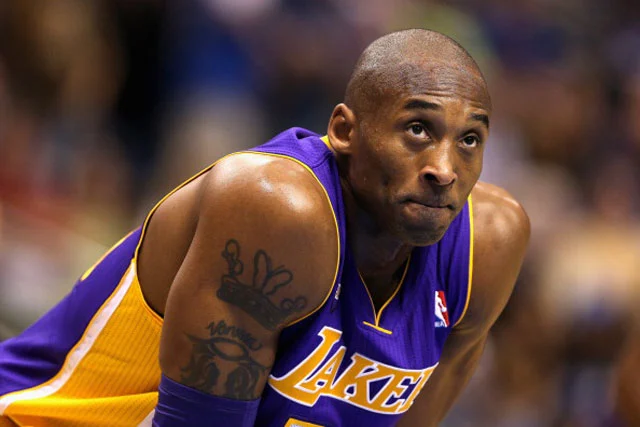
At the heart of the legal dispute are the astronomical sums TWC committed to secure the exclusive broadcast rights for the Los Angeles Lakers and the Los Angeles Dodgers. The plaintiffs argue that by forcing these high-cost channels into broader, mandatory subscription tiers, TWC is effectively taxing viewers who have no interest in professional sports, forcing them to subsidize the massive investments made by the cable giant.
The Core Grievance: A Mandate for the Uninterested
The plaintiffs—Sherry Fischer (a TWC subscriber), Stewart R. Graham (Charter), Todd Crow (DirecTV), and Gavin McKiernan (Verizon)—contend that the current distribution model for these sports channels is an "unfair method of competition" and a violation of California’s Business and Professions Code.
The complaint is rooted in a simple, albeit disruptive, demand: the option for a la carte programming. The suit argues, "There is no legitimate business, legal, technological, or economic reason why [TWC] cannot offer these Lakers and Dodgers games on a standalone channel basis so that only those subscribers who want and are willing to pay for them would do so and those who did not want these channels could ‘opt out.’"
This legal action brings into sharp focus the growing consumer frustration with the "cable bundle." For years, critics have argued that the traditional model—where hundreds of channels are tethered together—is an antiquated relic that forces families to pay for niche content they never watch. By specifically naming the Lakers and the Dodgers, the plaintiffs are targeting the most expensive, high-profile "must-have" content in the region, using these deals as a test case for broader industry reform.
Chronology of an $11 Billion Gamble
The financial scale of the deals in question underscores why this lawsuit has captured the attention of the media and legal industries alike. The timeline of TWC’s aggressive push into regional sports programming reveals a calculated, high-stakes strategy to dominate the Southern California market:
- February 2011: Time Warner Cable announces a monumental deal to acquire the exclusive broadcasting rights for the Los Angeles Lakers. The price tag, widely reported at $3 billion, signaled a new era of sports-centric regional television.
- January 2013: Building on the momentum of the Lakers deal, TWC secures the rights to the Los Angeles Dodgers. This acquisition, valued at a staggering $8 billion, cemented the company’s position as the primary gatekeeper for the region’s most beloved teams.
- Present Day: The plaintiffs allege that the cost of these acquisitions is being systematically pushed onto the consumer. The suit calculates that the Lakers deal adds approximately $4 per month to the average subscriber’s bill. With the addition of the Dodgers, the suit estimates that subscribers will face an additional $4 to $5 monthly increase in the coming year.
The legal complaint asserts that this cumulative $11 billion investment is being recouped directly from the customer base. Most critically, the filing estimates that 60% of this total—roughly $6.6 billion—is being extracted from households that do not watch, want, or desire the sports content they are being forced to pay for.
Supporting Data: The Economics of the "Tied" Market
The lawsuit provides a unique look at how these costs are distributed, not just within TWC’s own customer base, but across the entire competitive ecosystem. A particularly damning aspect of the complaint is its assertion that TWC does not merely limit this bundling to its own subscribers.
When TWC sells the rights to air these games to competitors—such as DirecTV and Verizon—the suit alleges that the contract terms mandate that these channels be included in "enhanced basic" packages. This means that even consumers who chose a different provider specifically to avoid TWC’s bundled services find themselves forced into the same pricing structure.
The economic implications are significant. By tying high-value sports content to general service tiers, TWC ensures a guaranteed revenue stream for the teams and the network, effectively offloading the risk of the $11 billion investment onto the general public. From the perspective of the plaintiffs, this is not merely a business arrangement; it is an anti-competitive practice that prevents market forces from establishing a fair price for the content.
Official Responses and Industry Silence
As of the filing, the corporate entities involved have maintained a guarded posture. A spokesperson for Time Warner Cable issued a brief statement noting that the company had "no comment" regarding the active litigation. Both the Los Angeles Dodgers and the Los Angeles Lakers, named as defendants in the suit, have yet to issue formal responses to the specific allegations.
Legal analysts observing the case suggest that the silence is tactical. Because the suit touches on sensitive contract negotiations and the proprietary nature of broadcast rights, TWC is likely preparing a robust defense focusing on the complexities of media rights and the existing regulatory frameworks that govern cable carriage agreements.
Implications for the Future of Television
The timing of this lawsuit is significant, occurring as the cable industry faces a period of unprecedented scrutiny. The push for a la carte programming has moved from the fringes of consumer advocacy to the floors of Congress.
Senator John McCain (R-Arizona) has been a vocal proponent of legislation designed to force the industry to unbundle channels. McCain has repeatedly highlighted the exorbitant costs of sports-heavy networks like ESPN, arguing that they act as a "hidden tax" on every cable subscriber in the country.
However, the industry has pushed back, warning that a government-mandated move to a la carte could result in unintended consequences. Proponents of the current model argue that the bundle provides a subsidy for smaller, diverse, and niche channels that would otherwise struggle to survive in a purely voluntary, pay-per-channel market. They argue that if consumers only pay for what they watch, the cost of the most popular content (like live sports) would skyrocket, while the variety of television offerings would shrink dramatically.
Interestingly, there are signs that even the industry leaders recognize the shift in the wind. At a recent industry event, the "Cable Show," TWC CEO Glenn Britt hinted that the landscape may be shifting, suggesting that the industry might need to explore a wider range of tiers for consumers. While far from an endorsement of total a la carte service, such comments suggest that the pressure from consumers and regulators is beginning to influence executive thinking.
Conclusion: A Precedent for Change
The case of Fischer et al. v. Time Warner Cable is more than just a dispute over a monthly cable bill; it is a fundamental challenge to the economic model that has defined the television industry for decades. Whether or not the plaintiffs succeed in the Los Angeles Superior Court, they have successfully brought the mechanics of the "cable tax" into the public spotlight.
If the court sides with the subscribers, it could force a radical restructuring of how media rights are negotiated and how content is delivered to the home. If TWC prevails, the case will still serve as a stark reminder that the current model of subscription television is increasingly viewed by the public as an outdated, non-transparent, and unfair mechanism.
As the digital age continues to offer alternatives like streaming and direct-to-consumer sports packages, the traditional cable model is under siege. This lawsuit represents the legal manifestation of a broader, societal demand for transparency and choice in the media marketplace—a demand that, regardless of the court’s final ruling, will likely continue to reshape the future of how the world consumes sports and entertainment.