The Quantified Body: How High-Tech Gear is Redefining Personal Fitness and Wellness
In an era defined by constant connectivity, the fitness market has become inundated with a dizzying array of technological novelties. From bulky, utilitarian bracelets to cumbersome bodysuits designed to measure every microscopic muscle twitch, and even "smart hats" engineered to read your heartbeat through an overheating scalp, the message from the wellness industry often feels exhausting: if your workout isn’t synced, analyzed, and broadcasted, did it even happen?
It is time, perhaps, for a bit of subtraction. Navigating the modern fitness landscape requires cutting through the noise—choosing gadgets that you will actually use, devices that seamlessly blend utility with aesthetics, allowing you to raise your heart rate in style without feeling like a walking science experiment.
As consumer demand shifts toward sleeker, more specialized, and highly accurate performance tracking, three standout products are capturing the attention of tech enthusiasts and fitness purists alike. From the water-resistant engineering of the latest smartwatch generation to immersive home-cycling ecosystems and intelligent hydration vessels, the future of personal fitness is smarter, more personalized, and profoundly integrated into daily life.
Main Facts: The New Vanguard of Fitness Technology
The current fitness gadget landscape is defined by a pivot away from gimmicky data collection and toward targeted, high-performance tools that solve real problems for athletes and casual exercisers alike.
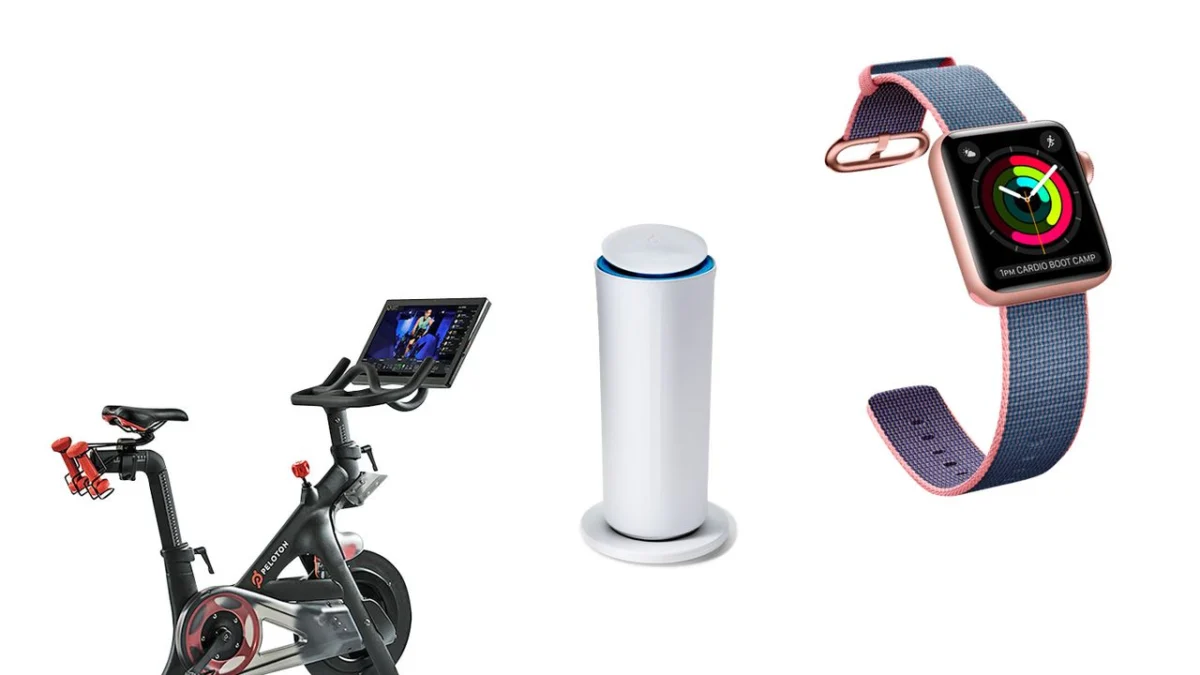
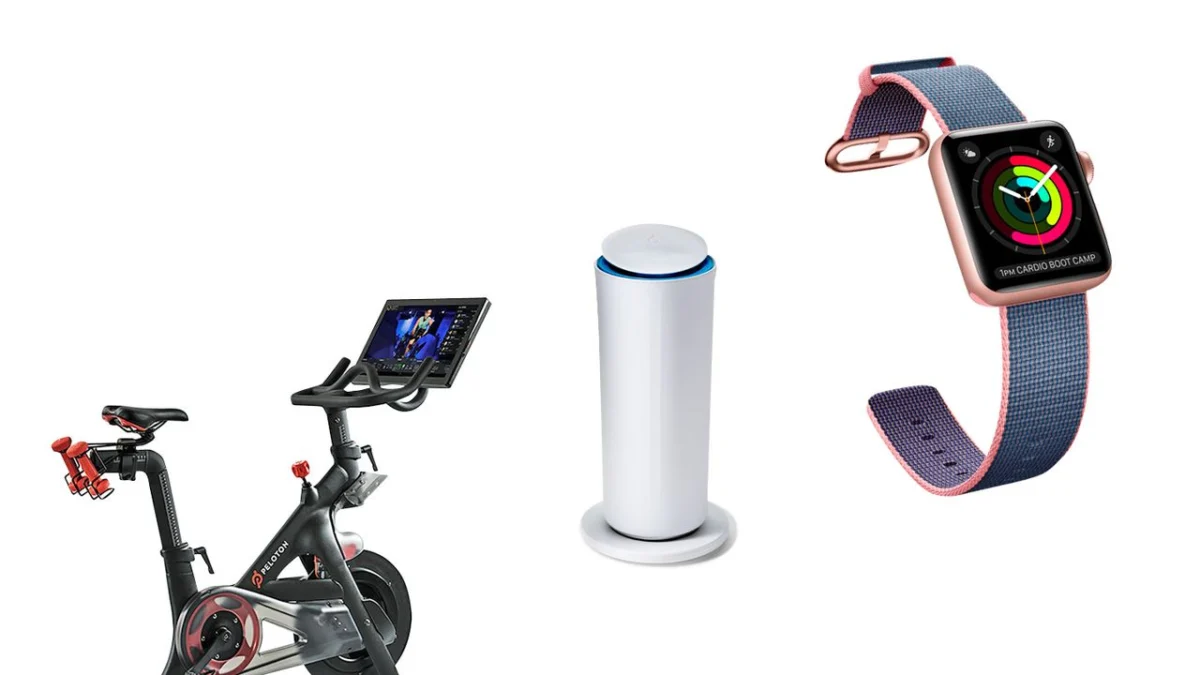
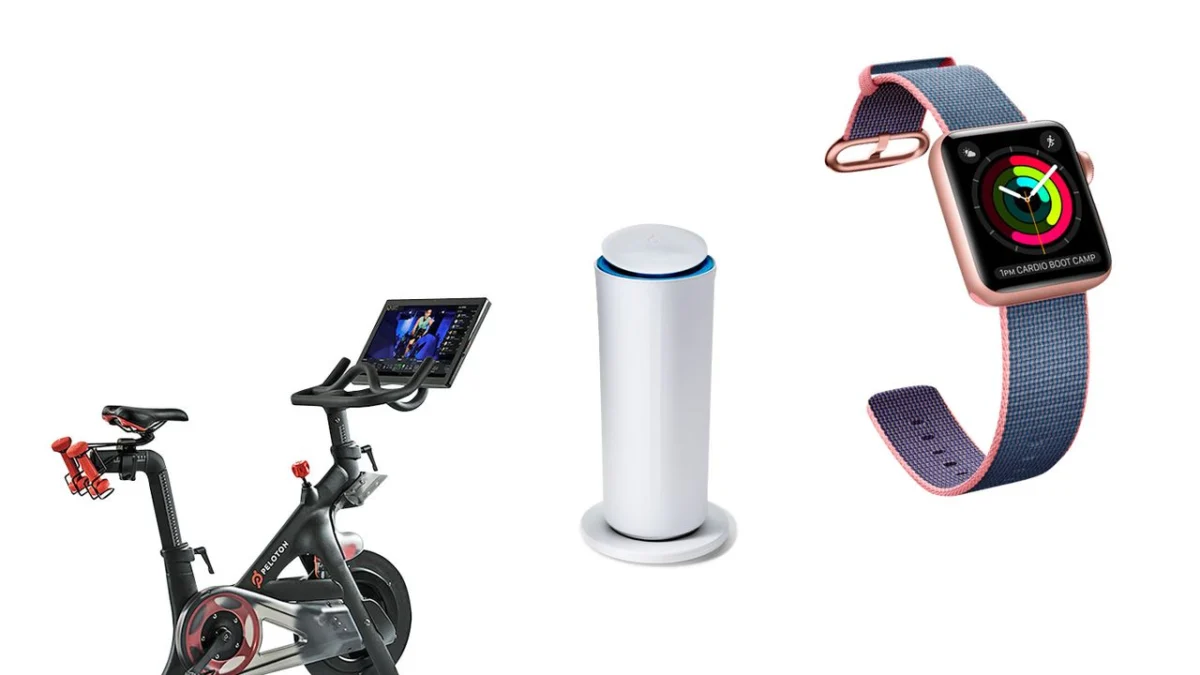
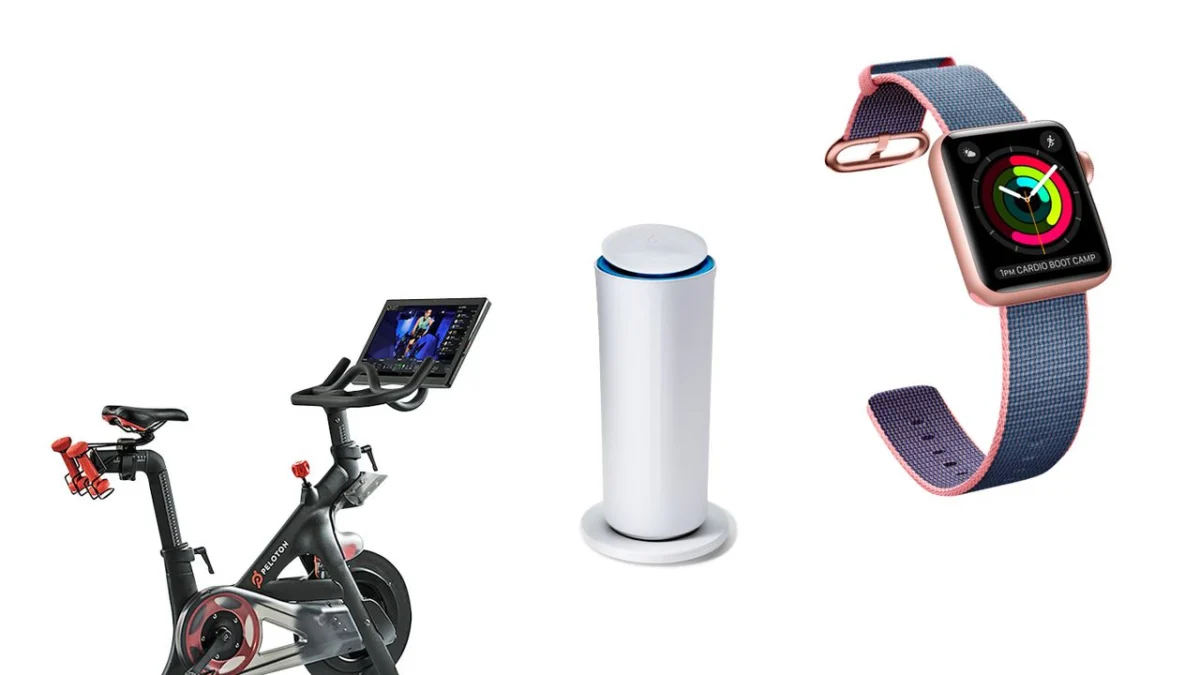
At the forefront of wearable tech is the Apple Watch Series 2 (retailing between $369 and $1,299). Eschewing the need for a tethered smartphone, this iteration introduces built-in GPS, transforming wrist-worn tech into a truly independent training partner. Crucially, it expands its tracking capabilities from dry land into the water, offering complete swim-tracking functionality alongside dual aerobic and anaerobic activity monitoring—a feature long absent in mainstream fitness trackers, which have traditionally prioritized steady-state cardio over high-intensity output.
For those who prefer the controlled environment of indoor training, the Peloton Indoor Bike ($1,995, plus a $39 monthly subscription) has fundamentally altered the home-gym paradigm. Eschewing the intimidation factor and logistical hurdles of boutique studio classes, Peloton delivers high-intensity cycling workouts directly to the living room. Anchored by an HD touch screen, the platform offers an expansive catalog of themed courses—ranging from nostalgic 90s hip-hop rides to immersive, virtual scenic jaunts across international landscapes—all built around a commercial-grade carbon-steel-and-aluminum frame.
Rounding out the modern wellness ecosystem is the Pryme Vessyl ($99). While purists might argue that drinking water requires no technological intervention, this intelligent tumbler bridges the gap between nutrition and automation. Equipped with a wireless charging coaster and a companion app that calculates personalized daily hydration goals, the Vessyl treats fluid intake with the same analytical precision that smartwatches apply to caloric burn.
Chronology: The Evolution of the Smart Fitness Ecosystem
To understand how we arrived at today’s sophisticated ecosystem of connected wellness devices, it is necessary to examine the rapid evolutionary arc of the digital health market over the past decade.
Phase 1: The Pedometer Era and Simple Tracking (Early 2010s)
The modern fitness tech boom began with basic step counters and rudimentary accelerometers. Devices in this era measured movement in one dimension, often requiring manual data entry or clunky desktop USB syncs. Users were thrilled simply to see a daily step count, though the data offered little insight into actual physiological exertion or cardiovascular health.
Phase 2: The Heart-Rate Revolution and App Integration (2013–2015)
As sensor technology miniaturized, optical heart-rate monitors (PPG sensors) became standard issue. Fitness bands grew wrist-based displays and began pushing notifications from smartphones. However, these early devices suffered from significant limitations: they required a constant Bluetooth connection to a phone to track outdoor routes via GPS, and their waterproofing was typically limited to sweat resistance, rendering them useless for swimmers.
Phase 3: Independence and Specialization (2016–Present)
The current era is marked by two distinct trends: hardware independence and niche specialization. Devices like the Apple Watch Series 2 discarded the smartphone leash by integrating native GPS and advanced waterproofing. Simultaneously, indoor hardware platforms like Peloton proved that consumers were willing to invest heavily in premium, connected in-home equipment that replicates or surpasses studio experiences. Concurrently, peripheral wellness items—such as smart water bottles and intelligent apparel—began filling in the gaps of daily health tracking, moving beyond the workout itself to monitor recovery, hydration, and nutrition.
Supporting Data: Engineering, Testing, and Market Metrics
Behind the sleek exteriors and marketing campaigns of these devices lies extensive research, rigorous material testing, and massive data-gathering operations.
Apple Watch Series 2: The Swim-Tracking Metrics
Developing a waterproof wearable capable of accurately tracking swimming strokes presented a monumental engineering challenge. Traditional GPS signals cannot penetrate water, rendering standard location-tracking useless beneath the surface.
To overcome this, Apple undertook an unprecedented testing regimen. According to exclusive data provided to Vanity Fair, the company recruited more than 700 employees from across its corporate base, representing swimmers of all proficiency levels—from casual weekend paddlers to competitive masters athletes. Over the course of the development cycle, these participants logged a combined 1,500 hours of testing across the four fundamental swim strokes: freestyle, backstroke, breaststroke, and butterfly.
The resulting algorithm not only measures lap counts and distance in real time but also calculates stroke efficiency and SWOLF scores, while simultaneously tracking both aerobic energy expenditure and anaerobic bursts—a vital metric for high-intensity interval training (HIIT).
Peloton Indoor Bike: Durability and Content Metrics
Building a stationary bike that could withstand the aggressive, high-wattage outputs of thousands of users across varying weight classes and experience levels required a grueling structural development phase.
Peloton subjected the bike’s carbon-steel-and-aluminum frame to two full years of design and structural stress testing. The objective was to eliminate frame flex during out-of-the-saddle climbs while maintaining a sleek, residential aesthetic. On the software side, the bike’s HD touch screen serves as a portal to thousands of hours of on-demand and live-streamed content, backed by a recurring subscription model that ensures fresh, continuously updated programming.
Pryme Vessyl: Fluid Dynamics and Hydration Data
Hydration tracking relies on capacitive sensing technology embedded within the tumbler’s interior lining. The companion smartphone app synthesizes user-specific biometric data—including height, weight, activity level, and local weather conditions—to determine an optimal daily fluid intake target. The device measures micro-sips throughout the day, gradually filling an interactive virtual progress bar to encourage consistent consumption without causing cognitive fatigue through excessive alerts.
Official Responses and Industry Insights
The convergence of technology and fitness has elicited strong reactions from industry leaders, designers, and physiological experts, highlighting a philosophical debate over the role of data in human movement.
Representatives from Apple’s hardware engineering division emphasized that the primary design goal for the Series 2 was the elimination of friction. "For years, athletes have had to compromise," an Apple spokesperson noted during the product’s unveiling. "You either left your phone behind and guessed your route, or you carried a heavy, fragile device strapped to your arm. By embedding GPS and engineering a novel speaker system that actively expels water using sound vibrations, we’ve removed the barrier between the swimmer and their data."
Peloton’s product development team addressed the cultural shift away from traditional gym environments. In an official statement regarding the bike’s ergonomic design, lead engineers highlighted the psychological benefits of home-based training: "The modern consumer is busier than ever, yet paradoxically more conscious of their health. By removing the logistical nightmare of commuting to a 6:00 AM spin class—and sparing riders the abrasive yelling of traditional instructors—we have created an environment where intrinsic motivation can thrive. The data is there if you want it, but the experience is what keeps you coming back."
Kitch, the manufacturer behind the Pryme Vessyl, defended the inclusion of smart technology in everyday objects. "People often ask why a water bottle needs an app," a company representative explained. "Our response is simple: if your wrist is adorned with a supercomputer tracking your every step and heartbeat, why shouldn’t the vessel fueling your body be equally intelligent? Dehydration is the silent killer of athletic performance and cognitive focus. Automated mindfulness regarding hydration is no longer a luxury; it is a fundamental component of holistic wellness."
Implications: The Future of the Quantified Self
As these technologies mature, their broader implications extend far beyond individual workouts, reshaping how we conceptualize health, accountability, and the boundaries of personal privacy.
1. The Democratization of Elite Training Metrics
Features once restricted to elite Olympic training centers—such as precise anaerobic tracking, stroke-by-stroke swimming efficiency analysis, and real-time power output metrics—are now accessible to anyone with a Wi-Fi connection and a credit card. This democratization of data allows everyday exercisers to train with professional-grade precision, potentially reducing injury rates through better pacing and form awareness.
2. The Rise of Ambient Health Monitoring
The integration of smart peripherals like the Pryme Vessyl signals a shift toward ambient computing—technology that works quietly in the background of daily life without demanding active engagement. Rather than forcing users to manually log meals or water intake into cumbersome apps, future wellness ecosystems will rely on passive, interconnected sensors that paint a holistic picture of biological health.
3. Psychological Dependencies and Data Fatigue
However, this hyper-quantified existence carries potential psychological drawbacks. Critics in the sports psychology community warn of "data fatigue"—a condition where users become so fixated on hitting algorithmic targets, closing digital rings, and maintaining daily streaks that they lose touch with their bodies’ natural intuitive signals. When an algorithm dictates whether a workout "counts," the intrinsic joy of movement risks being subjugated by performance anxiety.
4. Conclusion: Finding Balance in the Smart Era
Ultimately, the evolution of fitness tech offers a powerful toolkit, provided it is approached with intentionality. Whether you choose to dive into open waters with a GPS-enabled smartwatch, power through a high-intensity climb on a connected indoor bike, or simply remind yourself to drink a glass of water via an intelligent tumbler, the ultimate metric of success remains unchanged. Gizmos and gadgets can track the journey, but the sweat, the effort, and the transformation belong entirely to you.