The Silent Screen: Analyzing the Absence of Cinema Policy in the 2024 Indonesian Election Agenda
Cinema is inherently political. From the inception of a script to the final frame projected on a screen, the medium intersects with the most strategic sectors of public life: freedom of expression, the allocation of state resources, and the fundamental pursuit of livelihood. While in an idealized world, cinema is a pure manifestation of technological imagination, in reality, it is a construct shaped by regulation. These regulations define how ideas are nurtured or suppressed, which projects are supported and which are stifled.
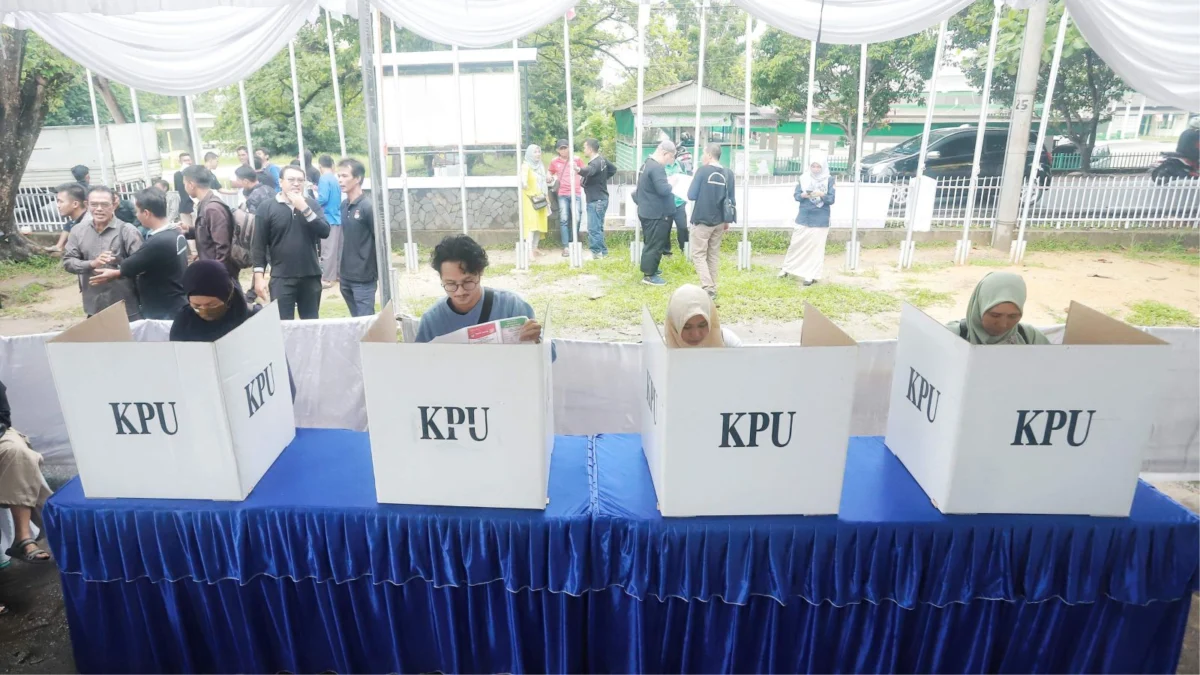
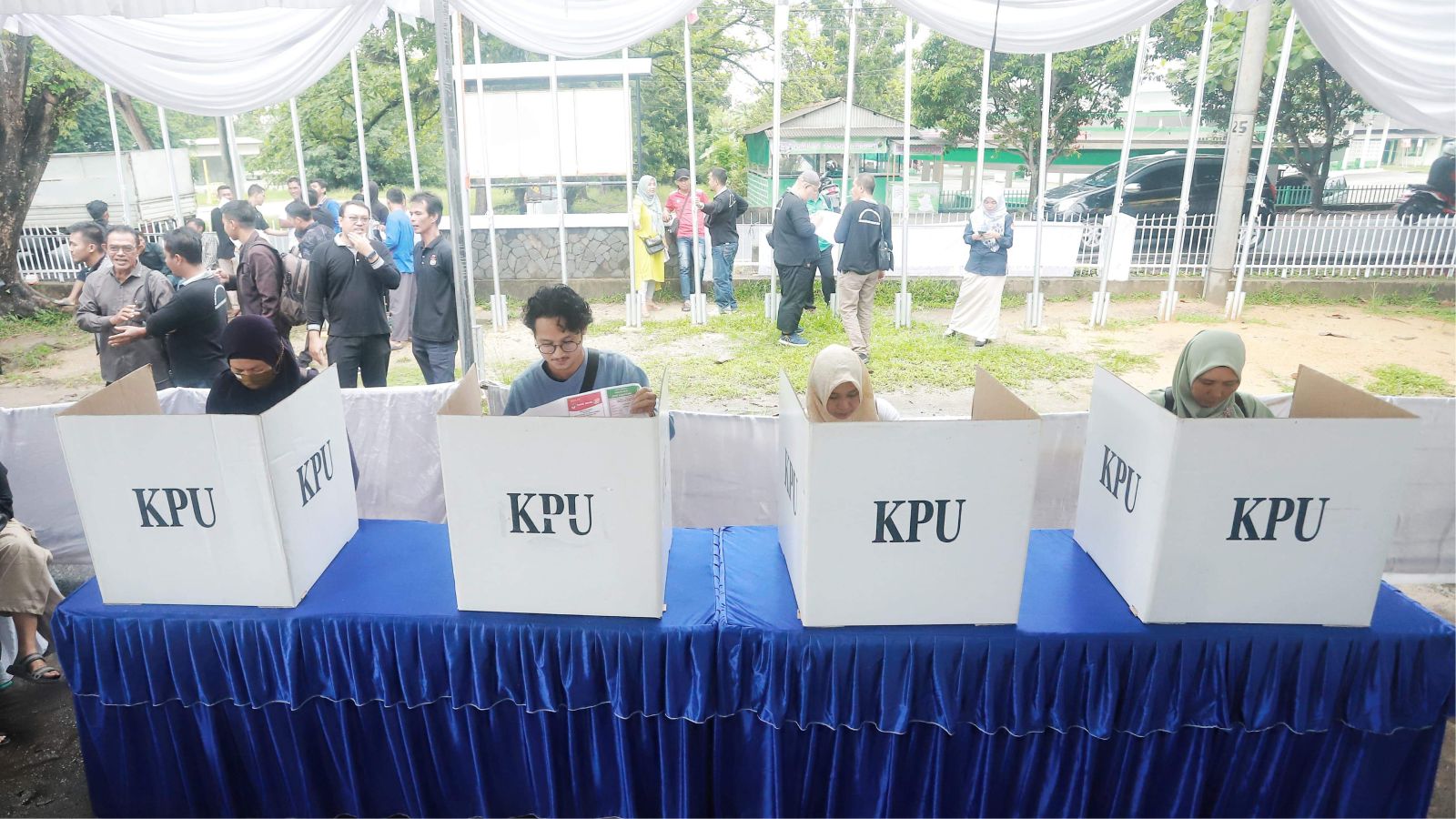
As Indonesia approached the 2024 General Election, the "politics of cinema" became a critical, yet largely overlooked, barometer for the nation’s cultural health. With the General Elections Commission (KPU) projecting that 55% of the electorate—roughly 107 million people—would fall within the 17–40 age bracket, the demographic overlap between voters and the creative industry is undeniable. Yet, despite its cultural weight, the film industry remains a peripheral concern in the manifestos of the presidential candidates.
The State of the Industry: A Decade of Stagnation and Vulnerability
Over the last ten years, the Indonesian film landscape has experienced massive growth, particularly in the explosion of streaming services. However, this growth has been uneven. While some sectors have flourished, others remain trapped in the same foundational problems that have plagued the industry for decades.
The Precariousness of Film Labor
The most pressing issue remains the welfare of film workers. The industry is dominated by an informal labor market characterized by unstable contracts, lack of social security, and grueling working hours. The "Healthy Shooting" (Mari Syuting Sehat) campaign, which advocates for a 14-hour limit on production days, stands in stark contrast to the standard 8-hour workday defined by the Manpower Law.

Current labor conditions, exacerbated by the Omnibus Law on Job Creation (UU Cipta Kerja), have made workers more vulnerable to arbitrary termination. According to data from the Indonesian Film Board (BPI), the industry suffers from a 64% turnover rate, as professionals flee the sector due to burnout and lack of career security. Even non-production workers—curators, critics, and festival programmers—find themselves in a "gig" cycle, often forced to take teaching jobs to survive the gaps between festival seasons.
The Struggle of the SMEs
The cinematic ecosystem is not merely comprised of big-budget production houses; 47% of production and exhibition communities consist of teams of fewer than ten people. These small and medium enterprises (SMEs) are the lifeblood of regional cinema but receive minimal fiscal support. Unlike large corporations, these SMEs rely on daily cash flow, making them highly susceptible to tax burdens and economic shocks.

Integration, Regulation, and the Institutional Gap
The current legislative framework, specifically the 2009 Film Law (UU Perfilman), is woefully outdated. While it defines film as a tool for "culture, education, and entertainment," it fails to address the modern reality of film as a commodity, a trade asset, and a vehicle for cultural diplomacy.
Currently, two ministries oversee the sector: the Ministry of Education, Culture, Research, and Technology (Kemendikbudristek) and the Ministry of Tourism and Creative Economy (Kemenparekraf). While Kemendikbudristek focuses on human resource development and the "Dana Indonesiana" endowment fund, Kemenparekraf prioritizes market access and production funding. These two institutions often operate in silos, leading to a disconnect between the education of filmmakers and their actual absorption into the industry. With 21 universities and 63 vocational schools teaching film, the lack of a bridge between academia and industry results in a growing pool of educated but unemployed graduates.

The Distribution Bottleneck and Cultural Diplomacy
Despite an increase in production funding, Indonesia faces a severe "bottleneck" in distribution. With only 2,145 screens for a population of 273 million, the vast majority of which are concentrated in Java, the distribution network is failing the rest of the archipelago.
The reliance on commercial chains—which operate on strict profit motives—has pushed independent and regional films to the margins. While informal networks like local community cinemas, cultural spaces, and film festivals provide a vital "second life" for Indonesian films, they operate largely without state support or sustainable funding models. Furthermore, the lack of a structured national agenda for cultural diplomacy means that the presence of Indonesian cinema on the international stage remains sporadic and dependent on individual efforts rather than state-led strategy.

The Shifting Landscape of Censorship: From Vertical to Horizontal
Freedom of expression remains the most volatile element of the Indonesian film ecosystem. While "vertical" censorship—state-imposed bans—has softened, "horizontal" censorship—pressure from civil society groups—has become the dominant threat.
Between 2010 and 2022, there were 27 documented cases of censorship involving film, ranging from the banning of screenings to intimidation. A prime example is the 2019 controversy surrounding the film Kucumbu Tubuh Indahku. Despite passing the Film Censorship Board (LSF) and receiving a theatrical release, the film faced organized protests, screenings were disbanded by vigilante groups, and public officials issued statements condemning the work. This highlights a dangerous trend: the state abdicating its responsibility to protect freedom of expression, allowing mob rule to dictate what can be seen and discussed.

Comparative Analysis of Candidate Agendas
A deep dive into the manifestos of the three presidential candidates (Anies Baswedan, Prabowo Subianto, and Ganjar Pranowo) reveals a common reliance on physical infrastructure—the construction of "creative hubs" and "cinemas"—as a proxy for policy.
Candidate 01: Anies Baswedan
Anies presented a five-stage plan, including talent development and protecting film workers. His background as a former Minister of Education is evident in his focus on institutionalizing film development. However, his agenda lacks detail on how he plans to bridge the gap between his proposed "world-class cinema centers" and the reality of regional distribution.

Candidate 02: Prabowo Subianto & Gibran Rakabuming
Their platform views cinema primarily through the lens of cultural preservation and job creation. While they emphasize the importance of intellectual property (IP) rights, their manifesto remains vague on how these rights will protect the workers themselves rather than just the owners of the IP. Their focus on revitalizing community cinemas is promising, but the lack of specific, actionable policy raises questions about implementation.
Candidate 03: Ganjar Pranowo & Mahfud MD
The Ganjar-Mahfud platform focuses heavily on the "creative economy" as a pillar of economic growth. Their inclusion of film under the "cooperative" model is a novel approach, yet it remains untested. While they emphasize "safe and comfortable" spaces for artists, their mention of "optimizing" the Film Censorship Board raises red flags for those concerned with freedom of expression.

Implications for the Future
The 2024 election cycle has highlighted a systemic indifference toward the film industry among the political elite. The candidates’ focus on "creative hubs" and "revitalization" ignores the deeper, immaterial, and structural issues that prevent the Indonesian film ecosystem from reaching its potential.
The primary concern is that the candidates treat cinema as a minor sub-sector of the creative economy, grouping it with food and fashion. This ignores the unique, long-term cycles of film production and consumption. By treating film as a commodity for quick economic gain, the state risks deepening the existing disparities in the industry.

Conclusion: The Demand for Accountability
The path forward requires more than just building cinemas. It demands a comprehensive policy that includes:
- Legal Protections: Enforcing labor laws that account for the unique demands of film production.
- Decentralization: Moving beyond the Java-centric distribution model by incentivizing regional exhibition.
- Institutional Synergy: Aligning the goals of educational institutions with the professional requirements of the industry.
- Protecting Expression: Shifting the state’s role from a censor to a guardian of artistic freedom against both state and non-state interference.
The current election manifestos are, at best, a starting point—a collection of ideas gathered from focus group discussions that have yet to be distilled into a coherent national strategy. For the Indonesian film community, the election is not just about choosing a leader; it is about demanding a seat at the table. The policies of the next administration will either allow the Indonesian film industry to thrive as a robust, diverse, and protected ecosystem, or consign it to another decade of surviving despite, rather than because of, the state.