The Tug-of-War at the Multiplex: Why Disney’s ‘Moana’ Remake Stumbled and How Wonder Project Is Finding Its Footing
The global film industry is currently witnessing a fascinating dichotomy in theatrical performance. On one side of the ledger, legacy studios are grappling with the law of diminishing returns as they attempt to mine their intellectual property libraries. On the other, purpose-driven independent banners are discovering that a specific, dedicated audience is willing to show up in droves if the narrative resonates with their values.
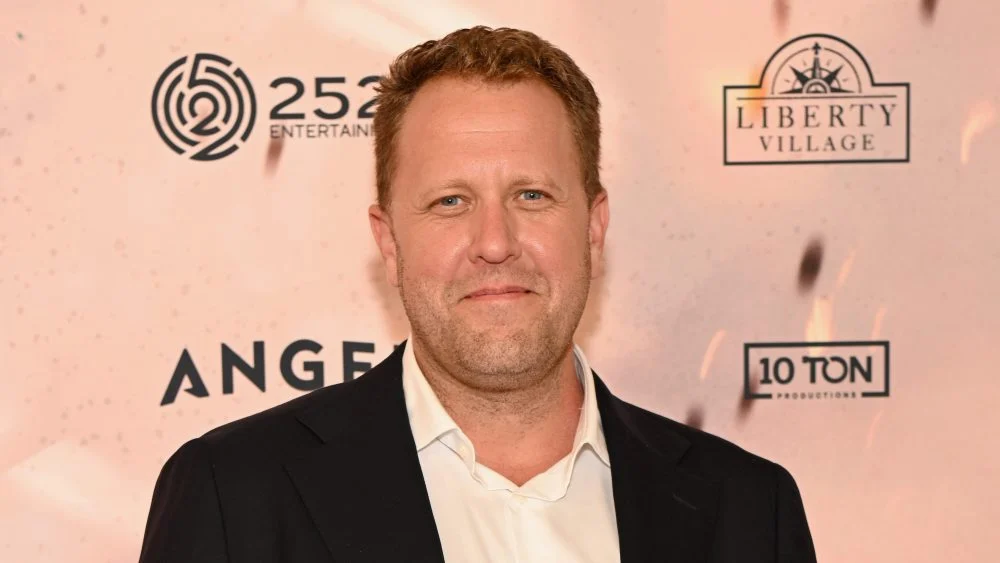
On the latest episode of the Daily Variety podcast, the industry’s shifting landscape was brought into sharp focus. Variety’s Rebecca Rubin joined the program to dissect the underwhelming debut of Disney’s live-action Moana remake, while filmmaker Jon Erwin provided a rare glimpse into the sustainable business model behind his studio, Wonder Project.
The Box Office Stumble: When "Too Soon" Becomes a Liability
The theatrical release of Disney’s live-action Moana has become a cautionary tale for major studios regarding brand fatigue and market saturation. Despite the inherent popularity of the franchise, the film opened to a modest $43 million—a figure that, while respectable for many projects, is alarmingly low for a tentpole production carrying a staggering $250 million price tag.
The Chronology of a Miscalculation
The primary friction point for the Moana remake is its proximity to its animated predecessor. Disney released an animated sequel in 2024, which generated massive global interest and crossed the $1 billion threshold. By the time the live-action iteration reached theaters, the public’s "Moana appetite" had arguably been sated just eighteen months prior.
In the eyes of the average moviegoer, the live-action remake lacked a sense of urgency. When audiences feel they have already experienced the core story and character beats through a high-performing sequel, the incentive to return to the cinema for a retread—regardless of the change in medium—diminishes significantly.
Financial Reality vs. Studio Ambition
The financial math for Moana is particularly punishing. As Rubin noted during the podcast, the studio’s decision-making regarding production budgets is under scrutiny.
"When you look at something like Lilo and Stitch, the live-action remake that opened last summer, it was a massive hit," Rubin explained. "It grossed $1 billion, but it was produced for a lean $100 million. If Moana had been produced with a similar level of fiscal discipline, we would be having a very different conversation today."
Instead, with a production budget of $250 million, the film faces an uphill battle to reach profitability. Standard industry metrics suggest that a blockbuster of this scale requires a global box office take of roughly $600 million just to break even after marketing and distribution costs. Given its tepid opening and the cooling interest from families who recently engaged with the brand, reaching that target appears increasingly unrealistic.
Supporting Data: The Economics of Remakes
The contrast between Lilo and Stitch and Moana highlights a critical shift in the "live-action remake" business model. In the mid-2010s, Disney’s strategy of adapting animated classics was virtually foolproof. However, the market has matured.
- Budgetary Discipline: The $100 million price point for Lilo and Stitch allowed for a high profit margin, even if the film hadn’t hit the billion-dollar mark.
- The Nostalgia Gap: While Moana is a beloved brand, the original film is only a decade old. Historically, successful remakes often rely on a generational gap—usually 20 to 30 years—to allow nostalgia to peak. By trying to capitalize on a franchise that is currently "active" rather than "dormant," Disney effectively cannibalized its own momentum.
- The "Been There, Seen That" Factor: The 2024 animated sequel effectively served as a continuation of the brand, making the live-action version feel redundant.
The Rise of Wonder Project: A Different Approach to Theatrical Success
While the studio system grapples with the fallout of over-saturation, Jon Erwin’s Wonder Project is charting a different course. Launched in 2021, the banner focuses on "purpose-focused" content—stories designed to restore faith and align with values that are often underserved by major Hollywood slates.
The Success of Young Washington
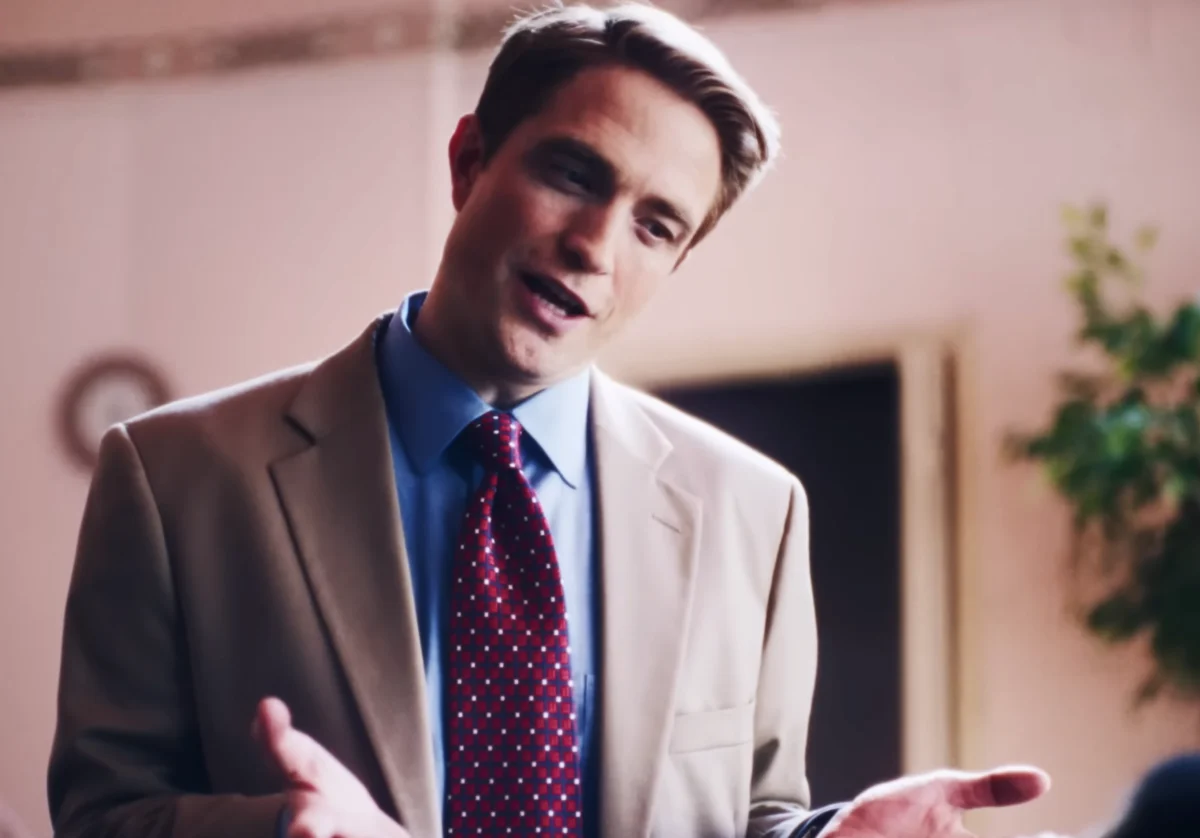
Erwin’s latest venture, Young Washington, serves as a proof-of-concept for his business model. The film, which explores the formative years of George Washington, has posted strong opening numbers, defying the narrative that original, non-franchise films cannot perform in today’s climate.
For Erwin, the film is more than just a project; it is a "love letter to America." The genesis of the film, he explains, was an obsession with the American Revolution that began while he was trying to catch a performance of the musical Hamilton a decade ago. Unable to secure tickets, he turned to the source material—historical biographies—and discovered a narrative thread in Washington’s early life that he felt had been overlooked.
The Strategy Behind the Content
Erwin emphasizes that Wonder Project is not interested in chasing trends or engaging in the "remake race." Instead, the studio aims to fill a void in the marketplace.
"The goal is just to tell stories that restore faith in things worth believing in," Erwin stated. By focusing on historical narratives that provide a sense of national identity and character study, Wonder Project creates a "must-see" event for a specific, loyal demographic that feels alienated by the current blockbuster landscape.
Implications: The Future of the Theatrical Window
The contrasting fortunes of these two projects offer a window into the future of theatrical distribution.
For Major Studios: The Need for "Value-Add"
The failure of Moana suggests that audiences are no longer willing to pay a premium for "more of the same." If studios intend to continue producing live-action remakes, they must either reduce production budgets to insulate themselves from potential flops or ensure that the adaptation offers a significant creative departure from the original. A "shot-for-shot" remake is no longer a viable financial strategy in a world where streaming and home media offer infinite entertainment options.
For Independent Banners: The Power of Niche
Wonder Project’s success with Young Washington underscores the power of targeting specific, underserved audiences. In an era of fragmentation, there is immense value in building a brand that stands for something tangible. By focusing on historical accuracy, faith-based values, and high-production-value storytelling, indie banners are proving that the "theatrical experience" is still alive and well—provided the story feels necessary.
The "Too Soon" Problem
Ultimately, the industry must reckon with the concept of "content velocity." In the race to fill streaming queues and theatrical calendars, studios have moved at a pace that threatens the longevity of their biggest IPs. As Rebecca Rubin pointed out, even the most beloved characters can lose their luster if they are omnipresent.
For the studio heads in Burbank and beyond, the lesson is clear: The box office is no longer a guaranteed destination for big-budget remakes. It is a space that demands respect for the audience’s time, their wallets, and, most importantly, their desire for something that feels new rather than merely "remade."
Conclusion: A Turning Point for Cinema
The current box office narrative is not about the death of cinema, but about its evolution. The struggles faced by Disney serve as a mirror for the entire industry—a reminder that legacy assets require careful stewardship. Meanwhile, the ascent of creators like Jon Erwin and his Wonder Project indicates that the future of the big screen may belong to those who prioritize narrative purpose over the safety of familiar intellectual property.
As we look toward the remainder of the year, the industry will be watching closely to see if studios adjust their budgets, pace their releases, and—perhaps most importantly—reconsider what truly drives an audience to the theater.
For more in-depth analysis on these stories and the business of Hollywood, listen to the latest episode of "Daily Variety" on iHeartPodcasts, Apple Podcasts, Amazon Music, Spotify, or via the Variety YouTube channel.