Medical Milestone: Japan Approves Public Insurance Coverage for Landmark iPS-Derived Heart Treatment
In a transformative development for regenerative medicine, Japan’s Central Social Insurance Medical Council officially granted public health insurance coverage to "RiHeart," an innovative cardiac muscle cell sheet derived from induced pluripotent stem (iPS) cells. The approval, finalized this Wednesday, marks a historic pivot in how the nation treats severe heart failure, signaling a new era where laboratory-grown biological tissues become a standard, affordable option for patients facing terminal cardiac conditions.
The coverage, set to take effect on September 1, follows a rigorous regulatory review process. It represents the second time in history that an iPS cell-based regenerative product has been granted such status, reinforcing Japan’s position as the global epicenter for stem cell research and commercialization.
The Science of Restoration: Understanding RiHeart
At the heart of this medical breakthrough is the utilization of iPS cells—versatile biological building blocks capable of differentiating into virtually any cell type in the human body. Created by introducing specific genetic reprogramming factors into adult skin or blood cells, iPS cells circumvent the ethical and biological limitations associated with embryonic stem cells.
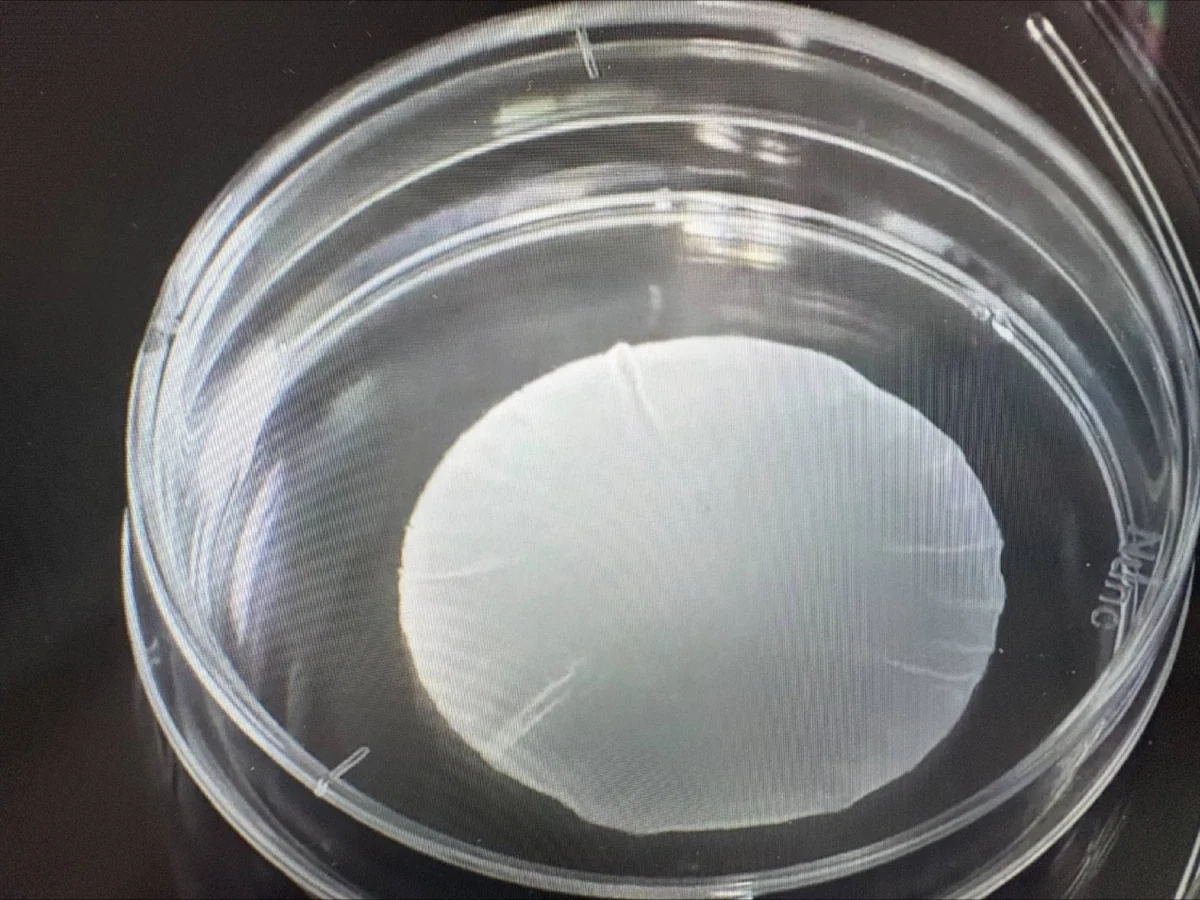
RiHeart, developed by Cuorips—a high-tech medical startup originating from the prestigious Osaka University—takes these reprogrammed cells and matures them into functional myocardial (heart muscle) cells. These cells are then engineered into thin, flexible "sheets." When surgically applied to the damaged heart tissue of patients suffering from severe heart failure, these sheets serve as a biological patch. They are designed to integrate with the patient’s existing cardiac muscle, restoring contractility and improving the heart’s pumping efficiency, effectively reversing damage that was previously considered irreversible.
Chronology: A Timeline of Regenerative Progress
The road to this week’s insurance approval was paved by decades of fundamental research and a focused, fast-tracked regulatory environment in Japan.
- 2006: Shinya Yamanaka, a researcher at Kyoto University, discovers that mature cells can be reprogrammed to become pluripotent, winning him the Nobel Prize and launching the modern iPS cell era.
- 2014: Japan revises its Pharmaceutical Affairs Law, creating a unique "conditional and time-limited" approval pathway for regenerative medicines, designed to speed up patient access to life-saving therapies.
- March 2024: The Ministry of Health, Labour and Welfare (MHLW) grants conditional approval to both RiHeart (for heart failure) and Sumitomo Pharma’s Amchepry (for Parkinson’s disease).
- May 2024: Amchepry becomes the first iPS cell-derived product to receive public health insurance coverage in Japan.
- August 2024: The Central Social Insurance Medical Council approves RiHeart for insurance coverage, effective September 1.
- Autumn 2024: Cuorips plans the formal commercial launch of RiHeart in the Japanese domestic market.
Supporting Data: The Economics of Innovation
One of the primary concerns surrounding advanced regenerative therapies is their extreme cost. The official domestic price for a single course of treatment with RiHeart has been set at ¥53.2 million (approximately $326,400).
For the average patient, such a figure would be prohibitive. However, the integration of RiHeart into the national public health insurance system fundamentally changes the patient’s financial burden. In Japan, the "High-Cost Medical Care Benefit System" serves as a critical safety net. This system caps the out-of-pocket expenses for patients based on their monthly income, meaning that while the state and the insurance pool bear the brunt of the ¥53.2 million cost, the individual patient’s actual financial contribution will be significantly mitigated.
This pricing structure reflects a compromise between the high cost of R&D for cutting-edge biotechnology and the state’s commitment to universal healthcare access. It allows companies like Cuorips to recoup their investment while ensuring that the therapy remains accessible to those who need it most, rather than remaining a boutique luxury for the ultra-wealthy.
Official Responses and Regulatory Strategy
The Ministry of Health, Labour and Welfare has adopted a "watchful" approach to these new therapies. By granting "conditional and time-limited" approvals, the Ministry is essentially allowing the products to enter the market while simultaneously requiring the collection of real-world efficacy and safety data.
Officials have stated that a final, full-scale approval will be contingent upon the performance of these products over the next seven years. During this period, Cuorips and Sumitomo Pharma are mandated to conduct rigorous follow-up studies.
"We are entering an era of data-driven regenerative medicine," a spokesperson for the Ministry noted during the press briefing. "The seven-year monitoring period is designed to ensure that the initial promise of these therapies translates into long-term clinical benefits for patients, without compromising safety."
The academic community, particularly researchers at Osaka University, has hailed the move as a validation of the "bench-to-bedside" model. By fostering close ties between universities and private startups, Japan has successfully managed to navigate the "valley of death"—the period where many promising medical discoveries fail due to a lack of funding or regulatory hurdles.
Implications for Global Medicine
The implications of this approval extend far beyond the borders of Japan. As the first nation to codify a specialized regulatory pathway for stem cell therapies, Japan is setting the "Gold Standard" for how other developed nations might eventually approve, price, and distribute similar treatments.
1. The Shift Toward Regenerative Standards
For decades, heart failure has been treated primarily through symptom management—pharmaceuticals, pacemakers, and, in the most severe cases, heart transplants. RiHeart offers a third path: restoration. If the long-term data proves successful, we may see a decline in the reliance on heart transplants, which are limited by a severe shortage of donor organs.
2. Market Impact for Biotech
The commercial success of RiHeart and Amchepry will likely trigger an influx of venture capital into the regenerative medicine space. Investors who were previously wary of the long lead times and regulatory uncertainties of stem cell therapies now have a clear roadmap for monetization and market access.
3. Patient Advocacy and Access
The integration of these products into national insurance schemes acknowledges a new social contract: that breakthrough biotechnologies are a public good. By capping the costs for the patient, Japan is ensuring that the "iPS Revolution" is inclusive. This model will likely be closely studied by healthcare systems in Europe and North America as they grapple with how to integrate increasingly expensive "curative" therapies into their own public and private insurance models.
Looking Ahead: The Seven-Year Horizon
The next seven years will be a crucible for both RiHeart and the broader field of regenerative medicine. During this time, the scientific community will be looking for answers to several critical questions:
- Longevity: How long does the cell sheet remain functional after transplantation?
- Immunological Compatibility: Are there any long-term issues regarding the rejection of iPS-derived cells, even with immunosuppressive therapy?
- Scalability: Can the manufacturing process, which is currently intensive and tailored to individual patient needs, be scaled to treat thousands rather than dozens?
As the medical world turns its gaze toward Tokyo this September, the significance of this milestone cannot be overstated. With the stroke of a pen, the Central Social Insurance Medical Council has transitioned a scientific marvel from the pages of academic journals into the hands of surgeons. For the thousands of patients currently waiting for a solution to terminal heart failure, the future is no longer a distant hope—it is a scheduled procedure.
The story of RiHeart is a testament to the power of persistent, state-supported scientific inquiry. As the world watches, Japan continues to demonstrate that while the future of medicine is biological, its success will ultimately depend on the political and economic infrastructure built to support it.