The Architecture of Anxiety: Why We Still Need ‘My Neighbor Totoro’ in a Dystopian Age
Main Facts: The Persistence of Modern Dread
For years, the collective consciousness of the Western world has been anchored by a singular, grim aphorism born from the fires of the 2020 pandemic: "Hope for the best, expect the worst." Six years later, that sentiment has hardened into a permanent state of being. Whether categorized as a diagnosable anxiety disorder or a logical response to a global environment defined by volatile weather, economic instability, and the encroaching shadow of corporate negligence, the result is the same: optimism is now viewed with suspicion.
In the modern landscape, cynicism is no longer a personality trait; it is a defensive reflex. To be optimistic in the face of what feels like an endless onslaught of systemic failure—from the chemical legacy of the American industrial heartland to the eerie, toxic haze blanketing state parks—feels increasingly like a dangerous form of ignorance. We live in an era where the trees themselves seem to have turned against us, with freakish weather events claiming lives and turning serene landscapes into scenes from a science fiction novel. Yet, within this climate of perpetual crisis, there remains a quiet, persistent argument for the radical act of hope, found in the unlikeliest of places: a 1980s animated masterpiece from Studio Ghibli, My Neighbor Totoro.
Chronology: A Return to the Heartland
The recent return to my childhood home in the American Midwest—my first visit in three years—served as a stark reminder of how geography is often inseparable from grief. The Midwest, specifically the region surrounding Midland, Michigan—a town synonymous with the headquarters of Dow Chemical—has long been a landscape where the promise of industry clashes with the reality of environmental precariousness.
Upon arriving at my nephew’s birthday party at a local state park, the planned celebration was immediately overshadowed by a suffocating, yellowed haze. The air was thick with the remnants of Canadian wildfires, creating a dystopian orange sun that rendered the lake invisible. Conversations around the picnic tables did not revolve around the festivities, but around the atmospheric toxicity and the grim projection that the following day would be even worse. My brother and sister-in-law, who had spent weeks coordinating the event, confessed to a paralyzing debate: should they cancel? By the time the coolers were packed, the decision had been made for them by the geography of our own environmental crisis.
Driving back through the haze, the juxtaposition of our reality—a world where windows must be sealed against smoke and toxins—became a grim joke. We found ourselves laughing, albeit hollowly, that at least the local air quality warning was due to "natural" fires rather than a chemical disaster. It was a bleak acknowledgment of the new normal.
Supporting Data: The Anatomy of Environmental Decay
The environment in the Midwest has undergone a visible transformation that reflects broader global trends. My brother, who serves as a local police chief, recounted with a sense of disbelief that two people in our small community had been killed this summer alone by falling trees. In the Pacific Northwest, where I reside, wildfire smoke is an annual, agonizing rite of passage, but in Michigan, the increasing frequency of freakish weather events is a harbinger of a climate that is fundamentally shifting.
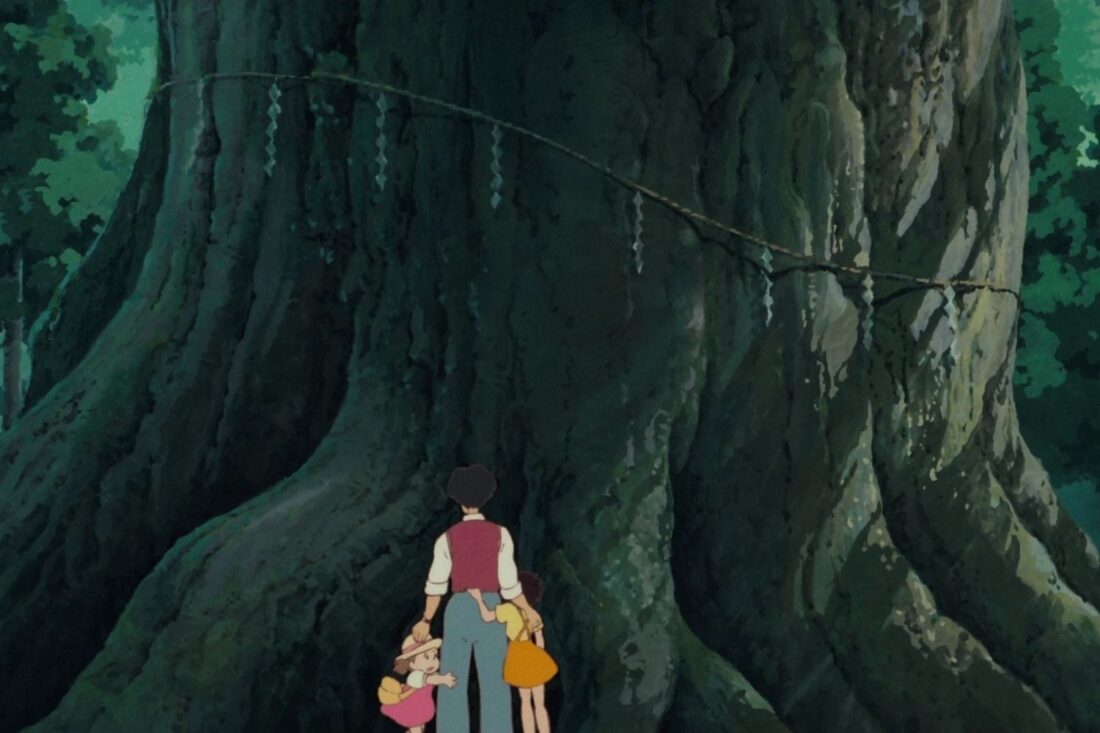
This is the "modern life" we are fighting against: a world where the natural environment is becoming increasingly hostile. When the very air you breathe and the trees under which you shelter become threats, the psychological impact is profound. It validates the cynic’s worldview. If the environment is failing, and industry has long treated the landscape as an expendable asset, what space is left for the child-like wonder that My Neighbor Totoro so brilliantly captures?
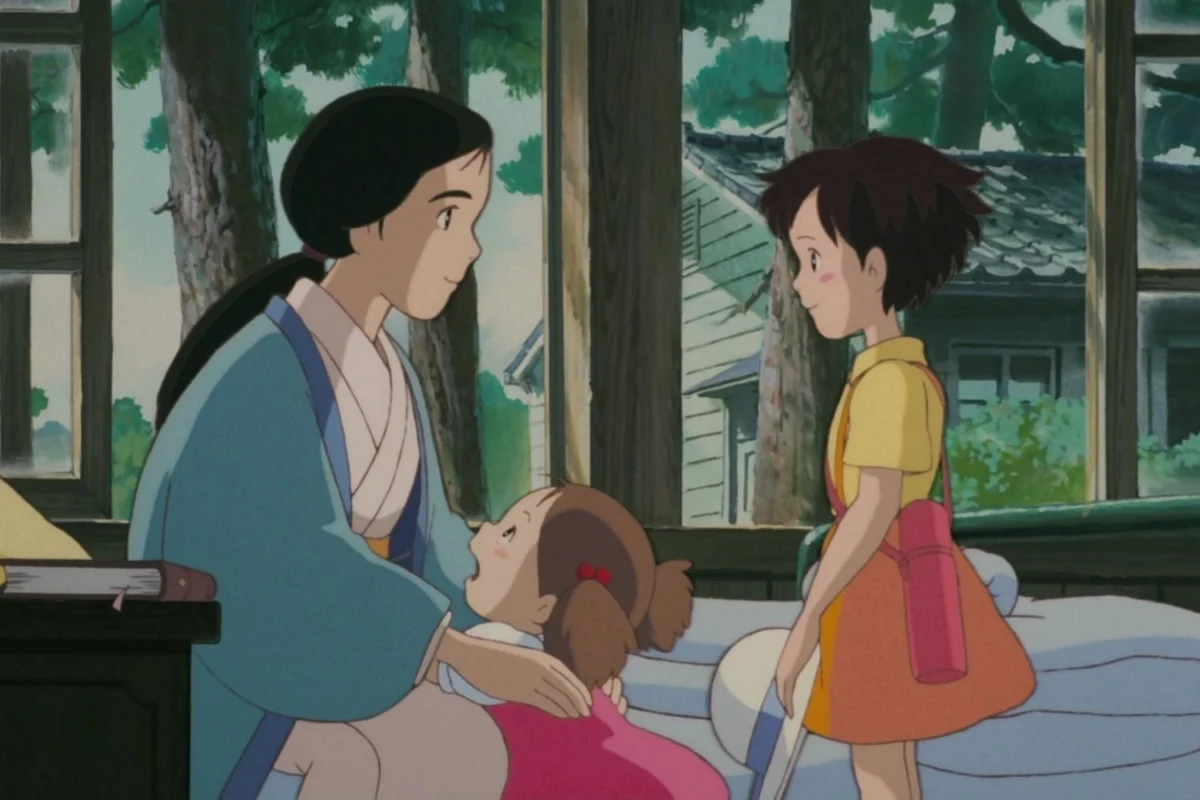
The film, however, does not ignore these realities; it contextualizes them. The girls in the film, Satsuki and Mei, are not living in a utopia. They are children of the 1950s living in a decaying house in the Saitama countryside, dealing with the trauma of a mother suffering from a chronic, life-threatening respiratory illness. They are, in every sense, children facing an "adult" reality.
Official Responses and Cultural Interpretations
The tendency to re-read My Neighbor Totoro through a lens of dark, adult cynicism has become a staple of modern internet culture. For years, fan theories have circulated, suggesting that the film is actually a metaphor for death. The "Death God Theory" claims that Totoro is a shinigami and that the girls died halfway through the movie. It is a testament to our collective inability to process pure, unadulterated hope that we must invent a tragic, "fridge-horror" narrative to explain a story that simply chooses to be kind.
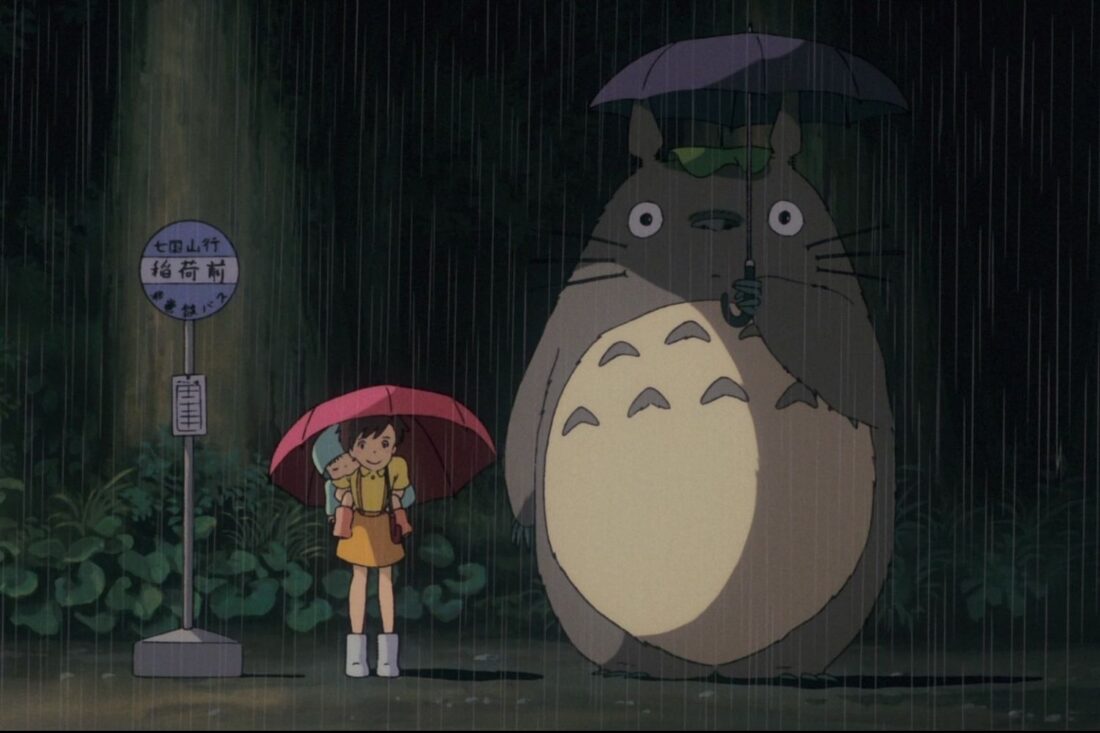
This reflex is a response to the "cloying" nature of goodness in a world that is anything but. We recoil from the idea that things might actually turn out well. When we see a character wait in the rain for a bus, we expect the bus to be empty or the father to have abandoned them. When we see a sick mother, we assume she is destined to pass away. The film systematically dismantles these expectations, not through fantasy, but by grounding its magic in the mundanity of everyday life. The "magic" is not that the monsters exist, but that the girls are allowed to experience the world without their fear being validated by the adults around them.
Implications: Re-educating the Cynical Mind
Watching My Neighbor Totoro as an adult, particularly at the age of the girls’ father, provides a necessary recalibration of the mind. The father in the film is a model of quiet, steady, and non-judgmental support. When his daughters claim to have seen spirits or encountered a forest god, he does not belittle them, nor does he require proof. He simply makes space for their reality.
This is the core lesson for our current era: we must protect our capacity for wonder, even when the air is orange and the headlines are catastrophic. The film suggests that while we cannot stop the wildfire or the systemic failures of industry overnight, we can choose how we engage with the world. We can choose, like the father, to close our eyes and listen to the laughter of our loved ones, even when the world outside feels like it is collapsing.
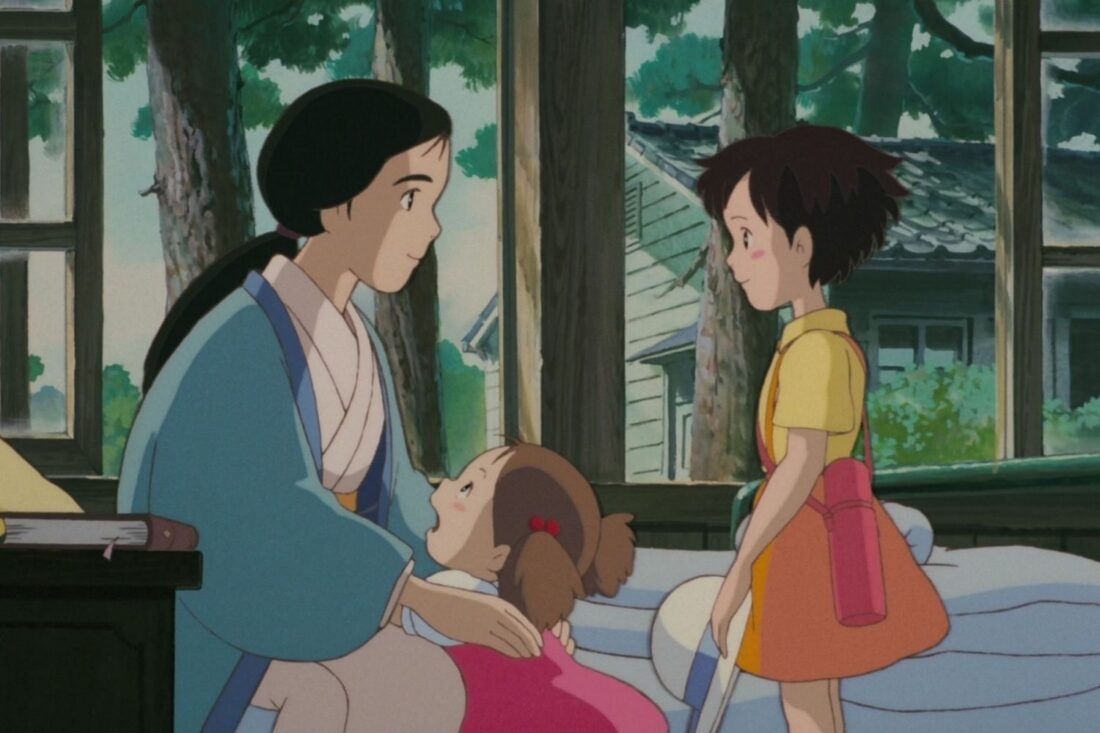
The "crying umbrella" and the "forest god" are not just symbols; they are reminders that we have the power to define our own reality. The film ends with the mother returning home, the girls playing in the sun, and the certainty that they have grown. It is a radical assertion that the worst does not always have to happen.
Conclusion: Planting Seeds for the Future
As I look toward the woods in northern Michigan, scanning the roadside for deer that have no context for the cars that hunt them, I am reminded that we, too, are caught in the headlights of a rapidly accelerating history. We are biological creatures with no evolutionary blueprint for the sheer speed of our own destruction.
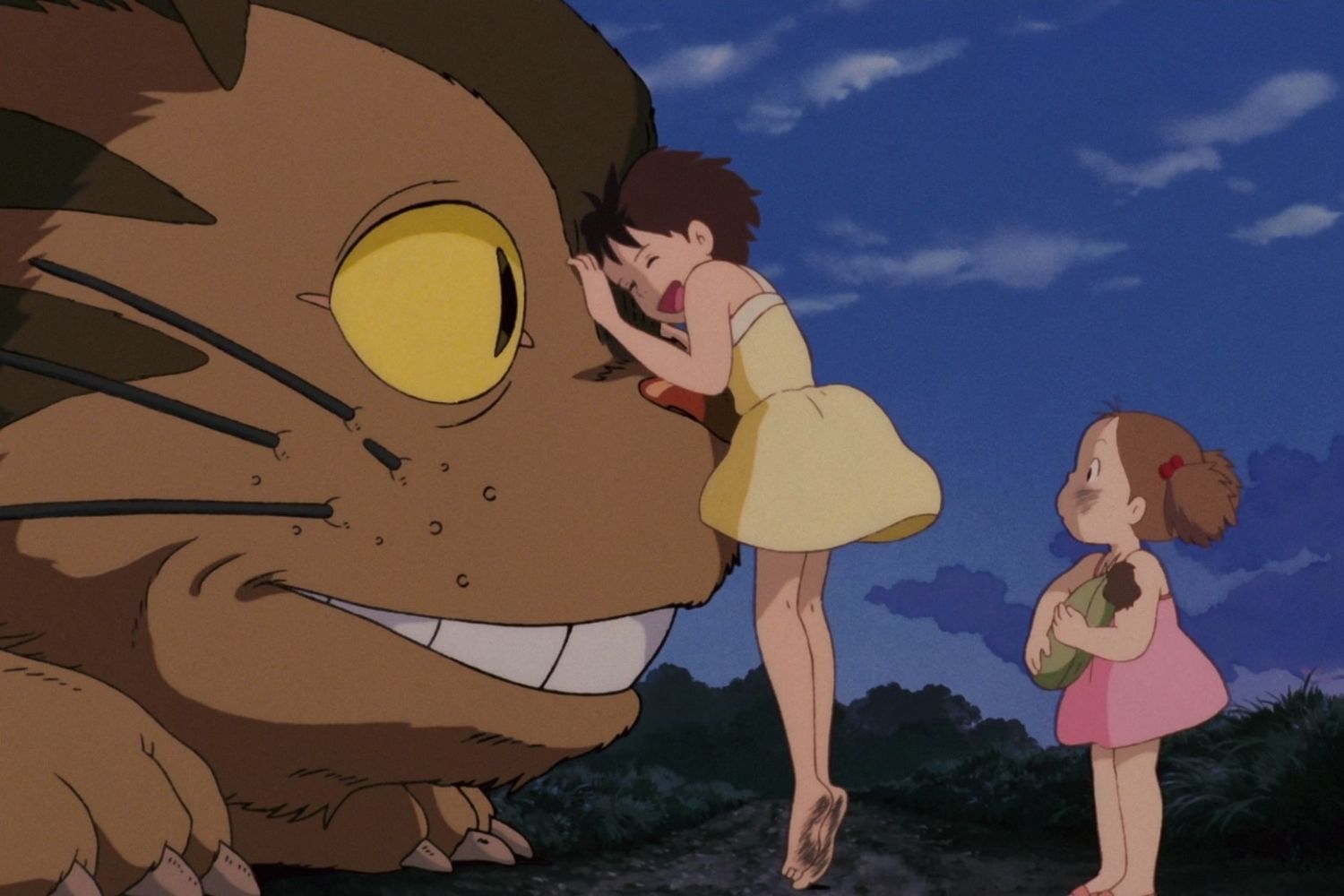
Yet, we continue to plant gardens. We continue to hold birthday parties in parks, even through the haze. We continue to tell stories of Catbuses and friendly forest gods. This is not foolishness. It is the most essential, defiant act of humanity. If we surrender to the cynicism that the worst is inevitable, we lose the only thing that allows us to build a better future: the belief that the next bus will eventually arrive, and that when it does, our loved ones will be on it. My Neighbor Totoro is more than a movie; it is a permission slip to hope, a guide for the disillusioned, and a reminder that even in the deepest, dustiest corners of a decaying house, there is still magic to be found if we are brave enough to look.