Beyond the Digital Clutter: Curating Your Fitness Arsenal for the Modern Era
In an age defined by the "quantified self," the modern fitness enthusiast is often inundated with a cacophony of technological noise. From bulky, rigid bracelets that chafe during a sprint to futuristic bodysuits designed to map every microscopic muscle twitch, the marketplace is saturated with devices that promise health but often deliver only distraction. We have reached a point where the industry has become so obsessed with data collection that one might be forgiven for believing that a workout didn’t actually happen unless it was perfectly synched, graphed, and broadcasted to a smartphone.
The market has even begun to push the boundaries of absurdity, introducing "smart hats" that attempt to derive vital metrics like heart rate through the overheating skin of a scalp. This deluge of unnecessary tech serves as a reminder that more is not always better. It is time for a philosophy of subtraction: identifying the few, high-impact tools that actually integrate into your life, enhance your performance, and allow you to raise your heart rate with genuine purpose and, perhaps, a touch of style.
The Philosophy of Essentialism in Fitness Tech
The current trend toward minimalism in fitness is not merely an aesthetic choice; it is a functional necessity. When we strip away the redundant sensors and the "gimmick-first" wearables, we are left with technology that acts as a silent partner rather than a demanding taskmaster.
Professional athletes and casual fitness enthusiasts alike are increasingly gravitating toward devices that offer seamless integration. The goal is to move beyond the friction of constant connectivity. Whether you are navigating an open-water swim, tackling a grueling high-intensity interval session, or simply ensuring your body is properly fueled, the right gadget should feel like an extension of your physiology rather than an external encumbrance.
The Apple Watch Series 2: Redefining the Wearable Standard
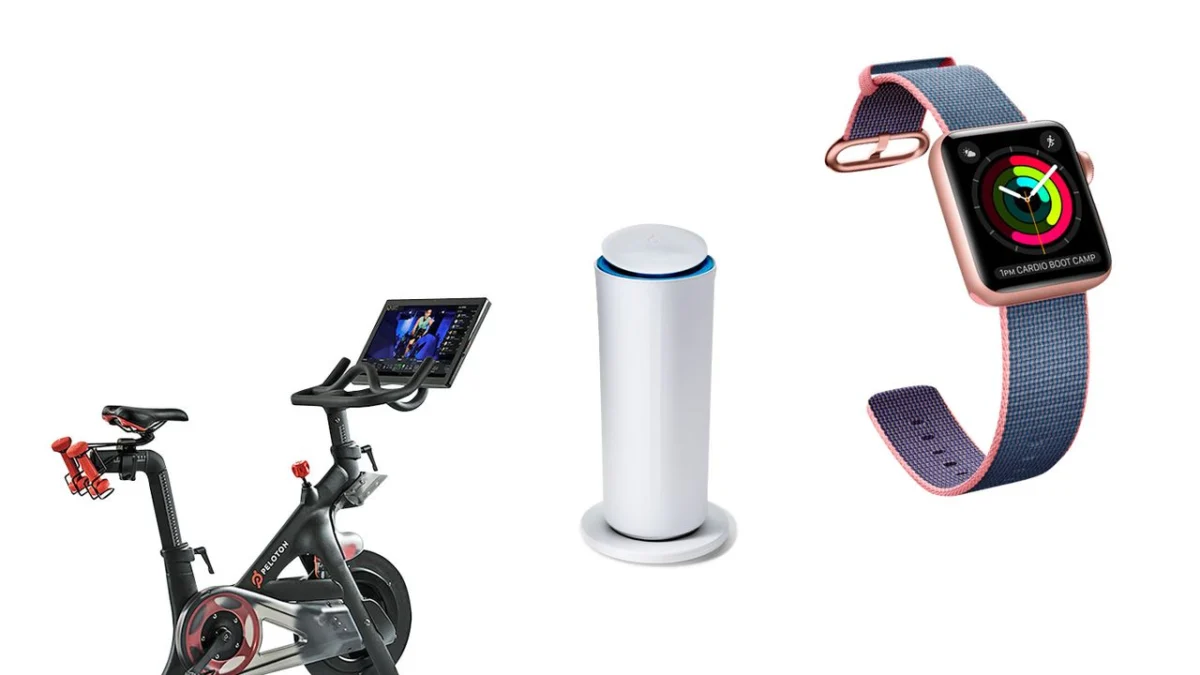
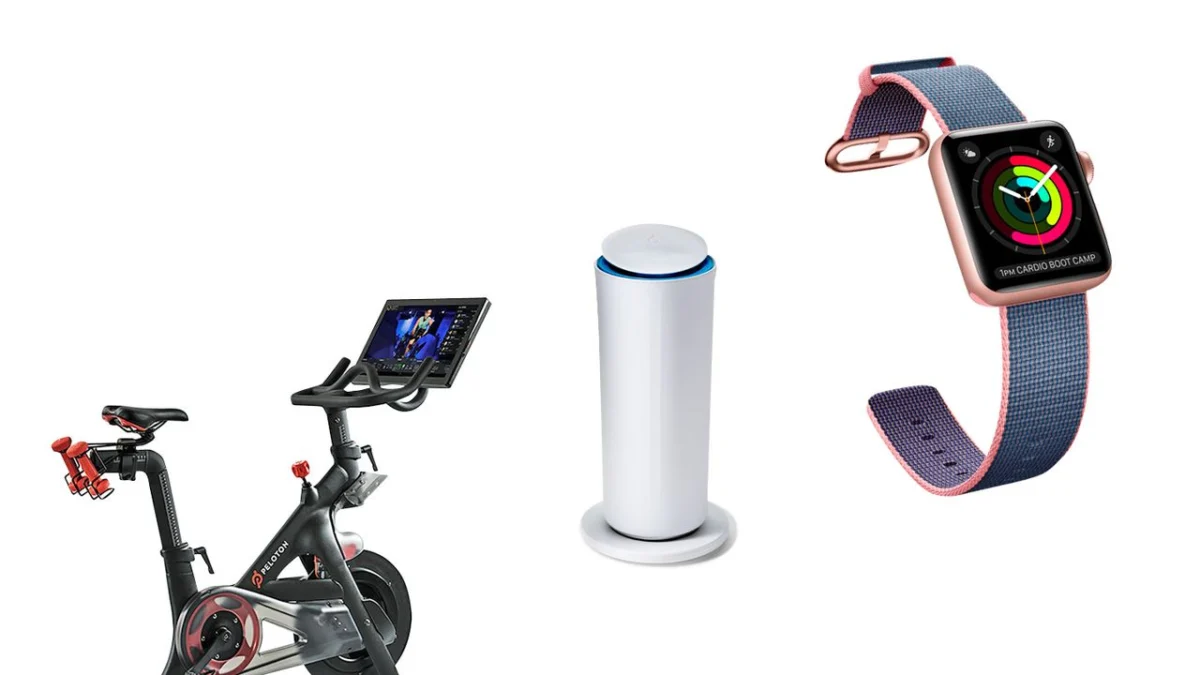
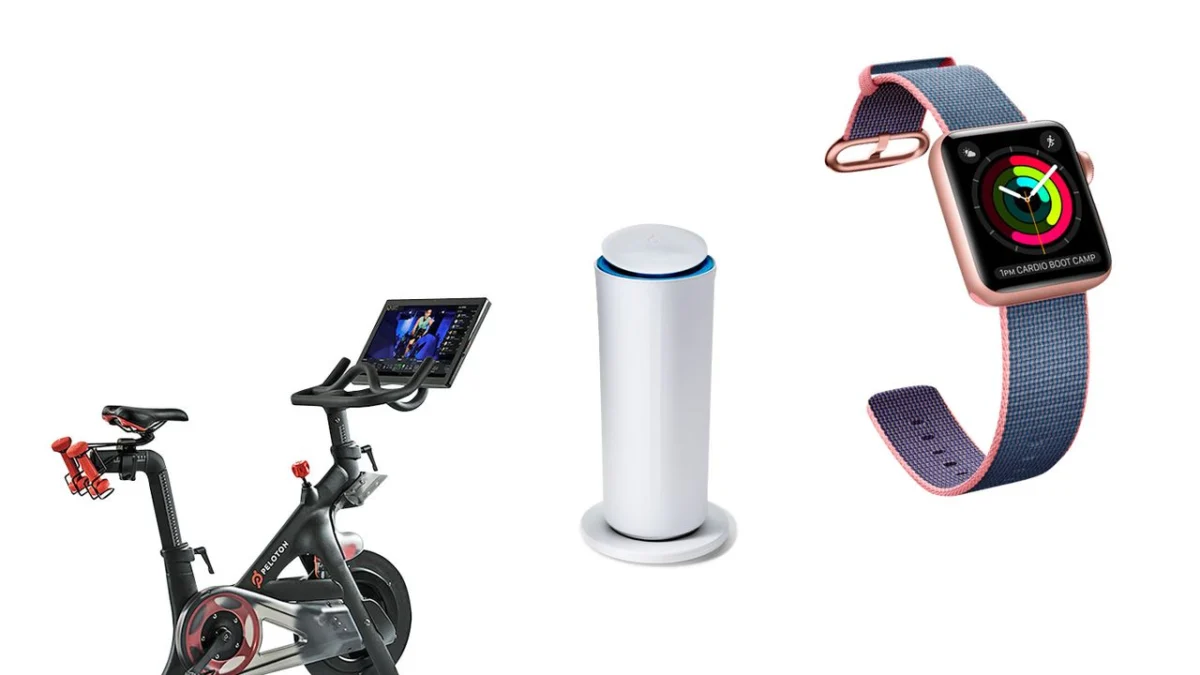
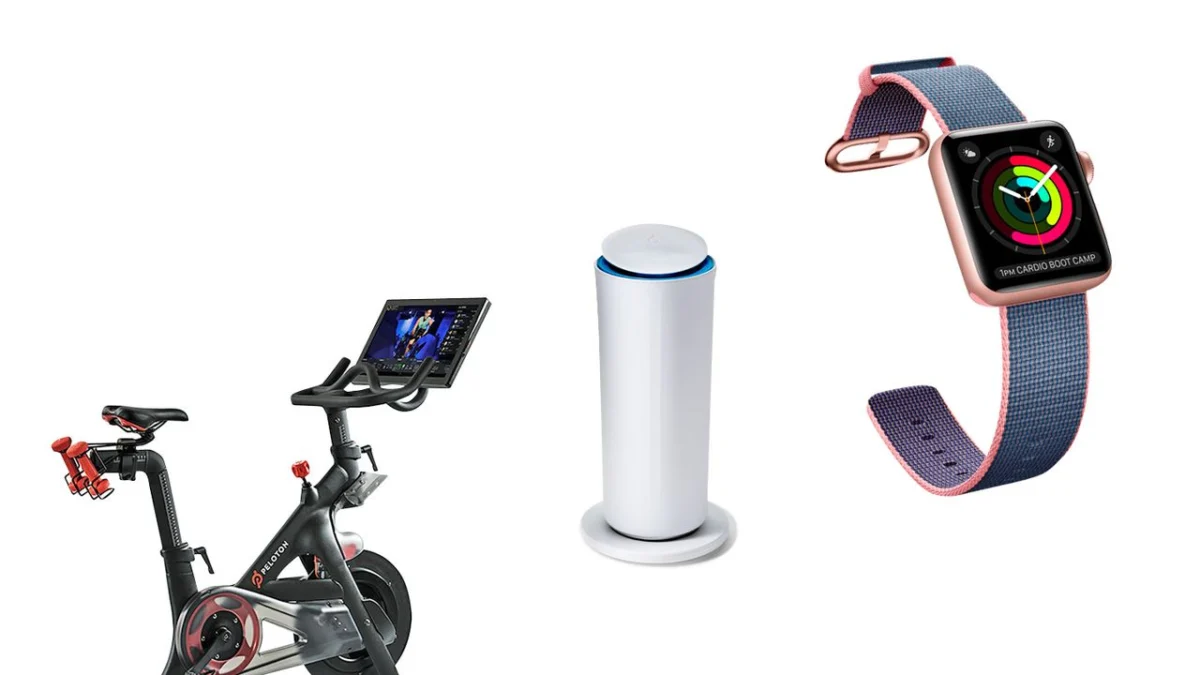
At the forefront of this shift toward integrated performance is the Apple Watch Series 2. With a price point ranging from $369 to $1,299, it occupies a unique space between luxury fashion accessory and clinical-grade fitness tracker. Its success lies in its modularity: with hundreds of combinations of cases, colors, and easily swappable bands, it caters to the individual’s personal style while maintaining a high standard of utility.
A Leap Forward in Aquatic Tracking
The most significant technological advancement in the Series 2 is the inclusion of onboard G.P.S. This development fundamentally alters the user experience, as it finally decouples the watch from the smartphone. Users can now run, bike, or navigate open waters without the burden of carrying a tethered device.
Apple’s commitment to this feature was exhaustive. In an exclusive disclosure to Vanity Fair, the company revealed that it culled data from a massive cohort of more than 700 swimmers of varying skill levels. These participants logged a combined 1,500 hours of testing across the four fundamental swim strokes. This rigor ensures that the watch’s metrics—which monitor both aerobic and anaerobic activity—are grounded in genuine physiological behavior. For the fitness market, this is a significant milestone; most trackers have historically focused exclusively on aerobic movement, largely ignoring the anaerobic bursts that characterize true athletic progression.
Peloton: The Evolution of Home-Based High Intensity
For those who prefer the controlled environment of a home workout to the unpredictability of the elements, the Peloton indoor bike has emerged as the definitive standard for home-based, high-intensity training. Priced at $1,995, plus a $39 monthly subscription fee, the Peloton is an investment in both time and space.
Engineering and Experience
The design of the Peloton is a masterclass in durability and accessibility. The company spent two years refining the carbon-steel-and-aluminum frame to ensure that it could accommodate riders of all shapes, sizes, and experience levels without compromising structural integrity.
Beyond the hardware, the Peloton’s H.D. touch screen serves as a gateway to a massive library of on-demand content. By removing the traditional barriers of a commercial gym—including the presence of an overly aggressive instructor or the wait time for a functioning machine—Peloton allows users to curate their environment. Whether a user is seeking the rhythmic motivation of a 90s hip-hop class or a tranquil "scenic" ride through the countryside, the platform offers a level of psychological comfort that is essential for long-term consistency.
The Pryme Vessyl: Precision Hydration
While watches and bikes capture the exertion of a workout, the most overlooked aspect of performance remains hydration. Enter the Pryme Vessyl, a $99 "smart" water bottle that addresses a gap in the daily health loop.
If we have reached a point where our wrist-worn devices are essentially supercomputers, it follows that our hydration vessels should match that intelligence. The Vessyl tracks water consumption in real-time, syncing the data with an app that calculates the user’s specific, optimal hydration level based on individual activity and biology. It includes a wireless charging coaster, ensuring that the device remains as reliable as the watch on your wrist. It is a reminder that wellness is not just about the sweat you produce, but the resources you replenish.
Chronology of Technological Integration
The trajectory of these three devices illustrates a clear evolution in consumer health:
- 2014–2015: The Saturation Phase. The market was flooded with basic trackers that relied entirely on Bluetooth connectivity and peripheral smartphone processing.
- 2016: The Decoupling. The launch of the Apple Watch Series 2 marked the shift toward independent processing. The device became an entity unto itself, capable of recording complex aquatic data without external assistance.
- 2017 and Beyond: The Integration of Content and Hardware. The rise of the Peloton signaled that fitness was no longer just about tracking movement; it was about the delivery of the workout itself through high-fidelity hardware and subscription-based ecosystems.
- The Present: The Holistic Loop. Devices like the Pryme Vessyl represent the "finishing move" in the fitness stack, where every aspect of a user’s lifestyle—from the intensity of a ride to the level of hydration—is accounted for in a single, digital ledger.
Supporting Data: Why Accuracy Matters
The reliance on these devices is backed by the necessity of precision. In the case of the Apple Watch Series 2, the decision to prioritize 1,500 hours of testing was driven by the inherent difficulty of measuring movement in water. Water density and the irregular nature of the four swim strokes (freestyle, breaststroke, backstroke, and butterfly) often lead to "noise" in data. By refining their algorithms through a diverse pool of 700 test subjects, Apple effectively reduced the error margin that has plagued earlier generations of wrist-based trackers.
Similarly, the Peloton’s two-year design phase for its frame was not merely a vanity project. It addressed the "biomechanical gap" that often occurs when stationary bikes are improperly fitted for high-intensity power outputs. By stabilizing the frame for a wider demographic, Peloton ensured that the intensity of the workout translates directly to metabolic expenditure rather than mechanical energy loss.
Official Perspectives and Industry Implications
Industry analysts observe that we are witnessing the "professionalization of the hobbyist." As consumers gain access to data previously reserved for elite athletes, the psychological implications are profound.
- The Empowerment Factor: The availability of these tools provides a feedback loop that reinforces positive behavior. For a user, seeing a visual representation of a swim session or a hydration goal met is a powerful extrinsic motivator.
- The Risk of Over-Reliance: Critics argue that the hyper-focus on metrics can lead to "data anxiety," where the user becomes more concerned with the number on the screen than the physical sensation of the workout. However, proponents argue that for the majority, these devices provide the necessary guardrails to prevent injury and track progress safely.
Conclusion: The Path Forward
The future of fitness technology is not about adding more sensors or more complexity. As we have seen with the transition from the "smart hat" to the integrated ecosystem of the Apple Watch, the Peloton, and the Pryme Vessyl, the trend is toward refinement.
To achieve a balanced fitness routine, the modern consumer should focus on three pillars:
- Independence: Can your tracker work without your phone?
- Engagement: Does the equipment encourage you to return to the workout?
- Holistic Feedback: Does the tool address a missing link in your health, such as hydration or recovery?
By curating your fitness arsenal with intention, you move away from the clutter of the digital age and toward a more streamlined, effective, and sustainable relationship with your own health. Swim, sweat, and drink up—but do so with the confidence that your tools are working for you, not the other way around.