
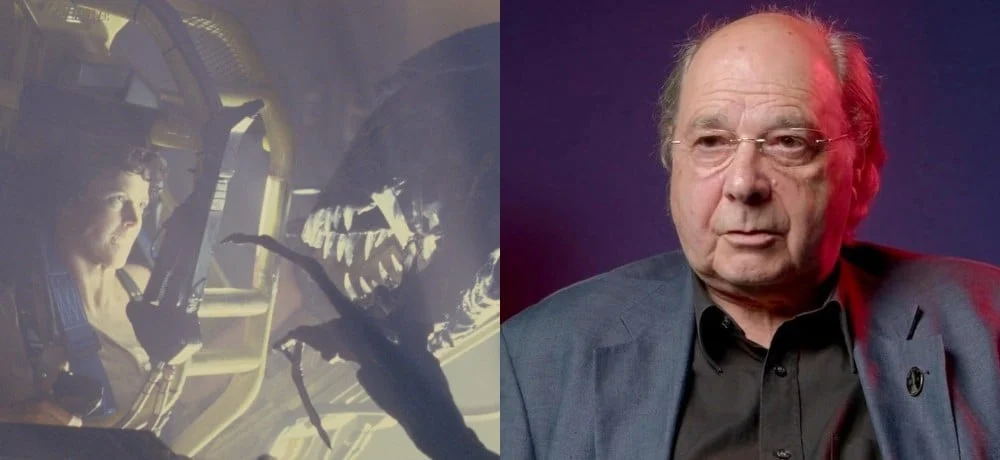
The Sonic Architecture of Terror: An Oral History of the Soundscapes of Aliens
Forty years after its theatrical debut, James Cameron’s Aliens remains a cornerstone of science fiction cinema. While the film’s practical effects, taut pacing, and Sigourney Weaver’s iconic performance as Ellen Ripley are frequently cited as the pillars of its success, the film’s sensory experience is equally defined by its groundbreaking sound design.
To mark the 40th anniversary of this cinematic masterpiece, we sat down with Chief Dubbing Mixer Graham V. Hartstone, the sonic architect behind the film’s terrifying atmosphere. From the screeching vocalizations of the Xenomorph to the rhythmic tension of the film’s "sawtooth" audio progression, Hartstone offers an insider’s look at how he and his team pushed the boundaries of audio engineering under the pressure of a seven-week deadline.
The Genesis of a Sonic Masterpiece: A High-Pressure Production
The production of Aliens was defined by an aggressive timeline that intimidated even the most seasoned industry veterans. In the mid-1980s, the standard duration for a complex mix at Pinewood Studios typically spanned ten to twelve weeks. When Hartstone sat down with producers Tim Hampton and Gale Anne Hurd, the expectation of a seven-week turnaround felt nearly impossible.
"They came straight back and said, ‘Well, in LA, they’ll do it in seven weeks,’" Hartstone recalls. "I don’t know how true that was, but I said, ‘Okay, well, we’ll do it in seven weeks.’"
The team met the deadline, delivering a mix that left Hollywood executives stunned. When Cameron and Hurd held their first screening in Los Angeles, the industry reaction was one of bewilderment: "How the hell did you do that in seven weeks?"
The pressure served as a crucible for creativity. Hartstone notes that while the original Alien (1979) set a high bar for atmospheric horror, Aliens required a different approach—a transition from the slow-burn dread of the original to the high-octane, militaristic kineticism of the sequel.
Collaboration with James Cameron
One of the most compelling aspects of the production was the relationship between Hartstone and James Cameron. Known for his hands-on approach and technical mastery, Cameron was famously dissatisfied with the sound mix of his previous directorial effort, The Terminator.
"I was very, very proud of that praise from Jim," Hartstone says. "He was not at all happy with the sound mix on The Terminator. So I got a print to run in our preview theater at Pinewood, and it was pretty damn good, but it was Academy mono. I had 70mm six-track stereo to play with, so that made life a lot easier."
Recognizing his own limitations in the nuance of sound mixing, Cameron relied heavily on Hartstone’s expertise. This trust allowed Hartstone to experiment with spatial audio, utilizing the 70mm format to create a sense of depth and immersion that was revolutionary for 1986. Cameron’s willingness to listen and learn from his department heads helped solidify the film’s sonic identity, moving away from flat, mono soundscapes toward a dynamic, multi-dimensional experience.
Decoding the Xenomorph: How to Create a "Perfect Organism"
Perhaps the most enduring mystery for fans is the vocalization of the Alien Warrior—the sound that occurs when the creature is struck. The screech is a visceral, bone-chilling noise that seems both biological and otherworldly.
Hartstone reveals that the sound was the result of a complex, multi-layered synthesis process. "I’m afraid I can’t remember the exact animals other than I know there were pigs and some of it was human sounds. There might’ve been tigers," he explains.
The secret, however, was not just in the source material but in the post-production processing. Using a Publison harmonizer, Hartstone pitch-shifted and blended these organic recordings, layering them to convey the creature’s aggression and "emotions." This technique of blending disparate organic sounds into a single, terrifying "voice" remains a staple of sound design today.
Technical Innovation: The "Sawtooth" Method
When asked about his specific techniques for building tension, Hartstone introduces the concept of the "sawtooth" sound design—a method of creating waves of intensity. He explains that a film cannot remain at peak volume throughout its duration; it must breathe.
"We can’t just be loud all the way through," Hartstone says. "Jim understood that very much so. The film was edited in such a way that you could go in waves. We build up to the tension and then we go quiet. There’s a pause while something else starts to happen."
Hartstone also details his refusal to rely on single-track sound effects. For instance, when the ship approaches, he utilized a sonar "ping" that traveled through the surround speakers, moving spatially across the theater rather than remaining static. Similarly, he processed mechanical sounds like closing hangar doors by layering multiple clanks, clunks, and thuds to ensure the audience felt the weight and scale of the technology on screen. By time-shifting and pitch-modulating these sounds, he ensured that no single audio element was missed by the viewer.
Implications: A Legacy of Sound Engineering
Reflecting on his four-decade career, Hartstone notes that his work on Aliens is a highlight of a journey that included collaborations with legends like Stanley Kubrick, David Lean, and Ridley Scott. His advice for aspiring sound engineers is rooted in the philosophy of storytelling over technical vanity.
"The most important thing is to support the story," he emphasizes. "That relies on clear, intelligible dialogue for one thing, and collaboration with the whole crew. Don’t ever turn a job down because it’s a people business. Just get to know as many people as possible."
Hartstone’s legacy is not just in the films he helped define, but in the pedagogical work he continues to do at the National Film School in England and other institutions across Europe. He teaches students to think ahead, preparing the ground for editors and mixers by anticipating the needs of the production long before they are requested.
The Lasting Impact of Aliens
Why does Aliens still resonate 40 years later? According to Hartstone, it is the rare combination of a "fantastic story" and a pacing that perfectly mirrors the human heart rate—building pressure, releasing it, and building it again.
When Hartstone first watched the early cuts of the film, he knew he was working on something special. "I was totally engaged in it from the beginning to the end, and I thought, ‘This is a winner.’"
Today, as modern filmmakers continue to grapple with the balance of practical sound and digital manipulation, the lessons learned in the mixing theaters of Pinewood Studios in 1986 remain as relevant as ever. Aliens was not just a triumph of visual effects; it was a masterclass in how to use sound to turn an audience into a participant, heightening the terror of the "perfect organism" and securing the film’s place in the pantheon of cinema history.
As we look back at this 40-year milestone, the sonic architecture of Aliens serves as a reminder that the most memorable movie monsters aren’t just seen—they are felt, heard, and meticulously constructed by the invisible hands of artists like Graham V. Hartstone.