Beyond the Cabinet: A Curated Journey Through the Shadows of Silent Horror
Every year on September 29th, film archivists, historians, and enthusiasts around the globe pause to celebrate Silent Movie Day. It is a dedicated occasion to recognize the fragile, flickering legacy of cinema’s foundational era—a period often misunderstood as a primitive precursor to "real" film, rather than a sophisticated, visual language of its own.
For the uninitiated, the canon of silent horror is often summarized by a "Big Three": F.W. Murnau’s Nosferatu (1922), Robert Wiene’s The Cabinet of Dr. Caligari (1920), and Rupert Julian’s The Phantom of the Opera (1925). While these monoliths are essential viewing, they represent only the tip of an iceberg that spans the birth of narrative trickery, psychological suspense, and the experimental avant-garde.
As we honor this year’s Silent Movie Day, it is time to look past the mainstream staples and examine ten films that, while perhaps less discussed in casual circles, offer a profound insight into the DNA of the modern horror genre.
Chronology: A Century of Chills
To understand the evolution of horror, one must trace its roots through the technical limitations and creative explosions of the early 20th century. The following selection highlights a progression from the trick-film era to the atmospheric heights of the late 1920s.
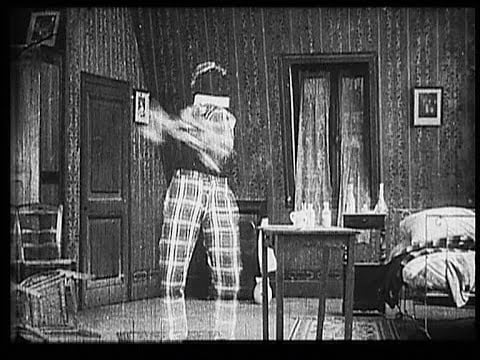
1. The Invisible Thief (1906)
Before the polished studio horror of the 1930s, there was the "trick film." Co-directed by the legendary Segundo de Chomón and Ferdinand Zecca, The Invisible Thief serves as a vital piece of literary history. Adapting H.G. Wells’ The Invisible Man barely a decade after its publication, the film showcases de Chomón’s mastery of in-camera effects. It remains a meta-commentary on the medium itself: a man reads a book and utilizes the "formula" to wreak havoc, demonstrating the early cinema’s obsession with the power of the unseen.
2. Dante’s Inferno (1911)
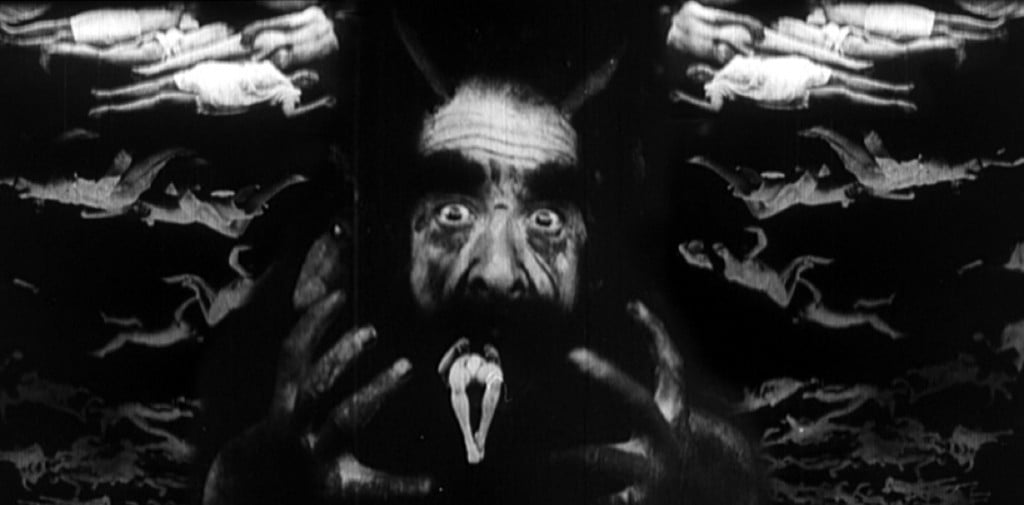
Italy’s 1911 feature-length Dante’s Inferno is widely cited as the first true horror feature. While a 15-minute short of the same subject was released concurrently, this version commands respect for its sheer scale. At over a century old, the visual effects—designed to replicate the terrifying landscapes of the Divine Comedy—remain genuinely haunting. It set the template for the "epic" horror film, proving that the genre could sustain a full-length narrative.
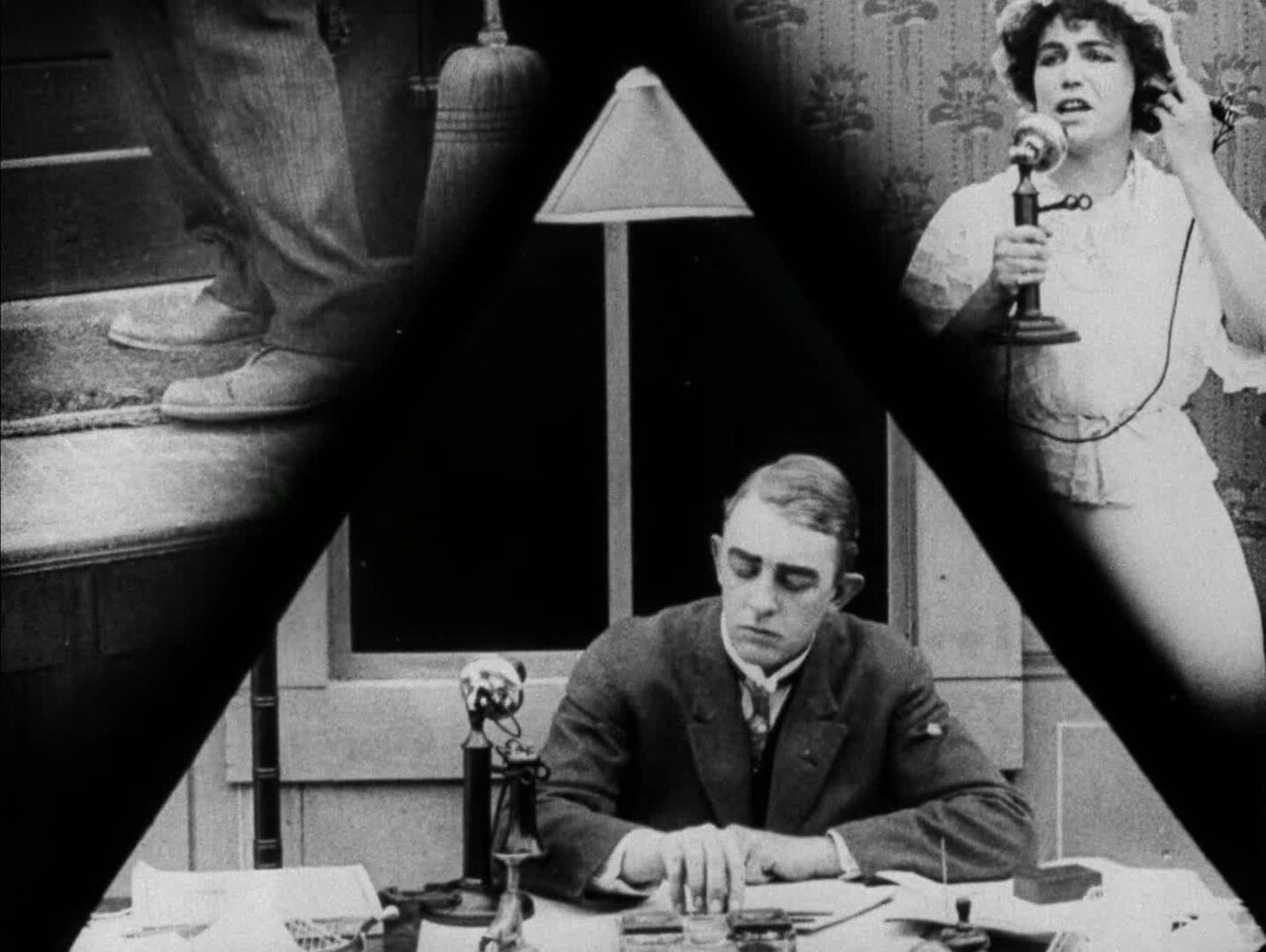
3. Suspense (1913)
Lois Weber was one of the most prolific and visionary filmmakers of the early silent era, and Suspense is her masterclass in tension. The film follows a mother defending her home from an intruder. Beyond its narrative, the film is a technical triumph, utilizing experimental split-screen techniques that were decades ahead of their time. It is a stark reminder that the "home invasion" subgenre—so prevalent today—was being perfected in 1913.
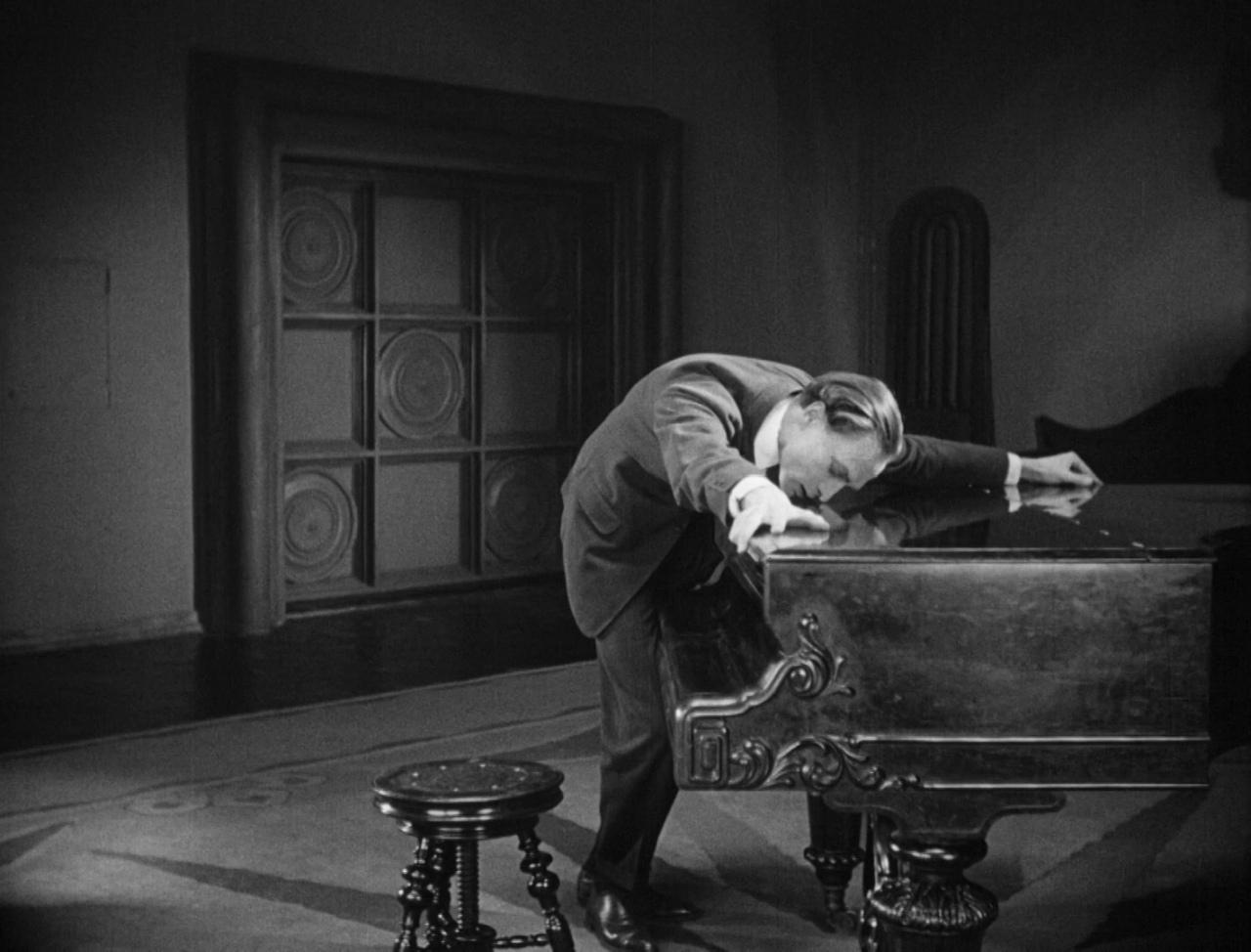
4. The Hands of Orlac (1924)
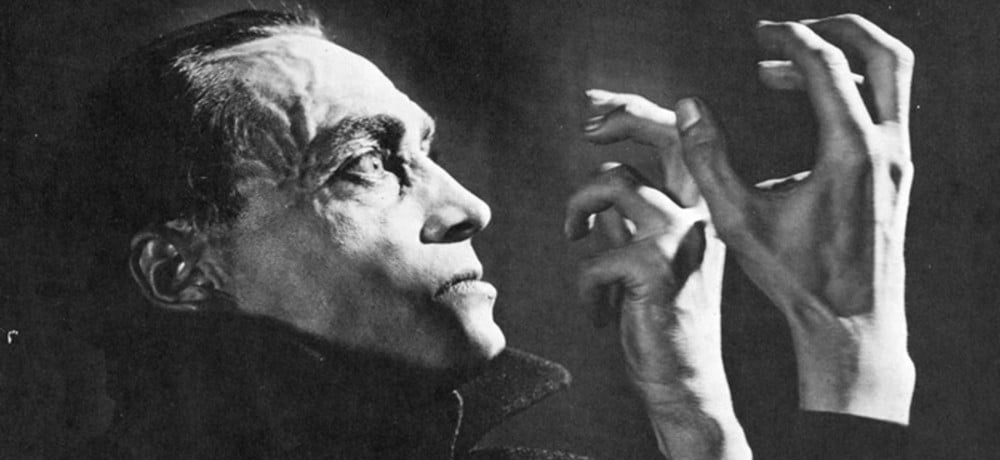
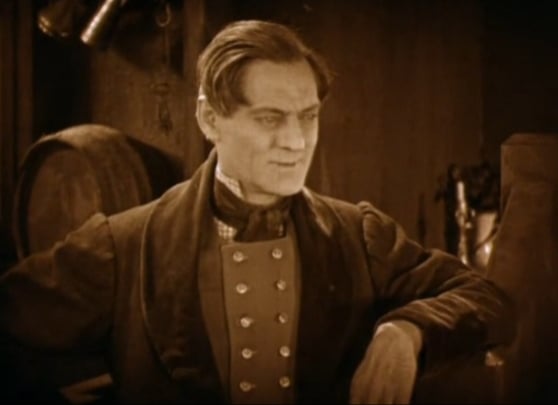
Reuniting the creative forces behind Caligari—director Robert Wiene and actor Conrad Veidt—The Hands of Orlac is a masterclass in psychological dread. When a concert pianist receives a hand transplant from a deceased murderer, the narrative spirals into paranoia. Veidt’s performance is nothing short of hypnotic, providing a blueprint for the "body horror" and "identity crisis" themes that would dominate the genre for the next century.
5. Dr. Pyckle and Mr. Pride (1925)
Horror and comedy have always shared a border, and this short serves as a bridge. Starring the legendary Stan Laurel before his partnership with Oliver Hardy, the film is a lighthearted, absurdist take on the Jekyll and Hyde trope. It proves that even in the silent era, filmmakers were eager to deconstruct and parody their own darkest myths.
6. The Bat (1926)
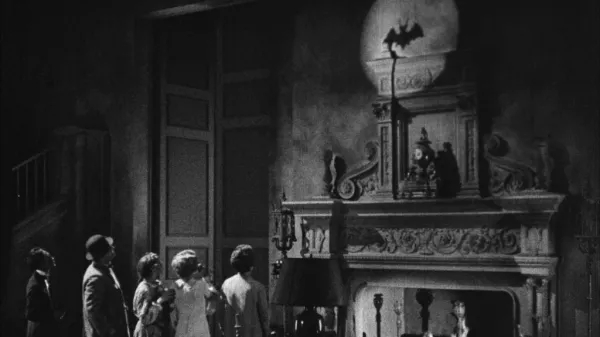
For modern audiences, The Bat is perhaps the most historically significant title on this list. Director Roland West created an "old dark house" mystery that served as a direct inspiration for Bob Kane’s Batman. It is a classic whodunit, rich with atmosphere, shadows, and the frantic pacing of a stage play translated into the visual vocabulary of film.
7. The Bells (1926)
A holiday-themed horror rarity, The Bells captures the intersection of guilt and the supernatural. Featuring an early performance by Boris Karloff as a Mesmerist, the film operates in the vein of Edgar Allan Poe’s The Tell-Tale Heart. It is a rare example of a 100-year-old film that remains structurally sound and emotionally resonant today.
8. Meren Kasvojen Edessä (1926)
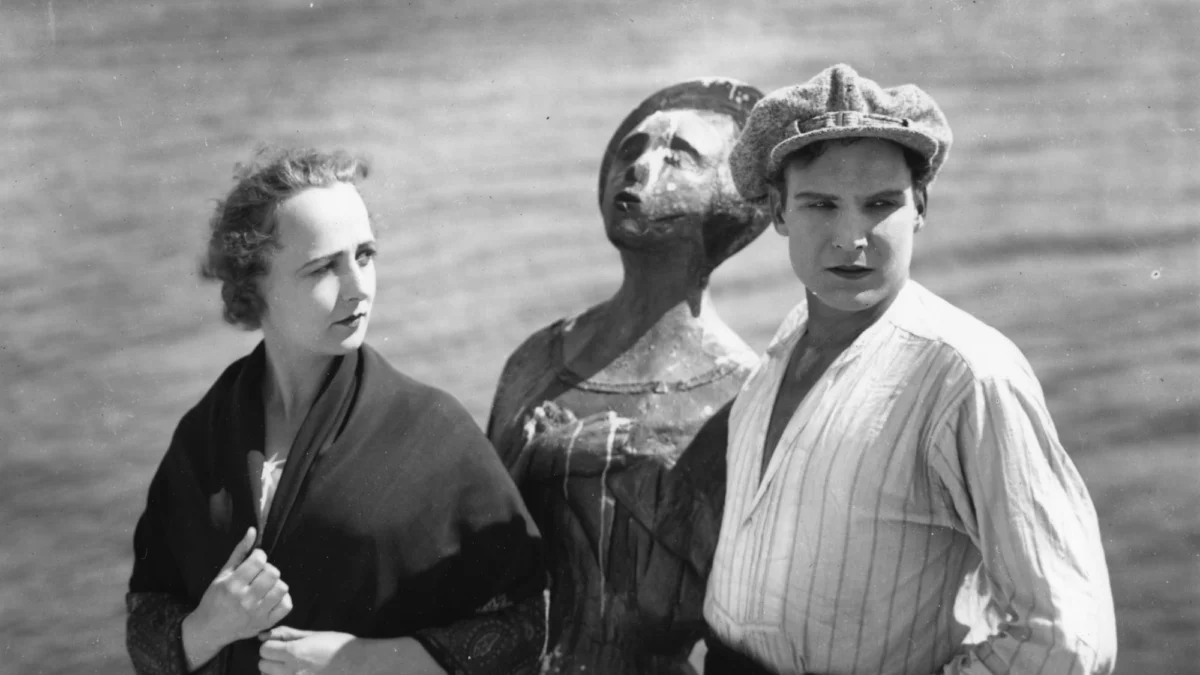
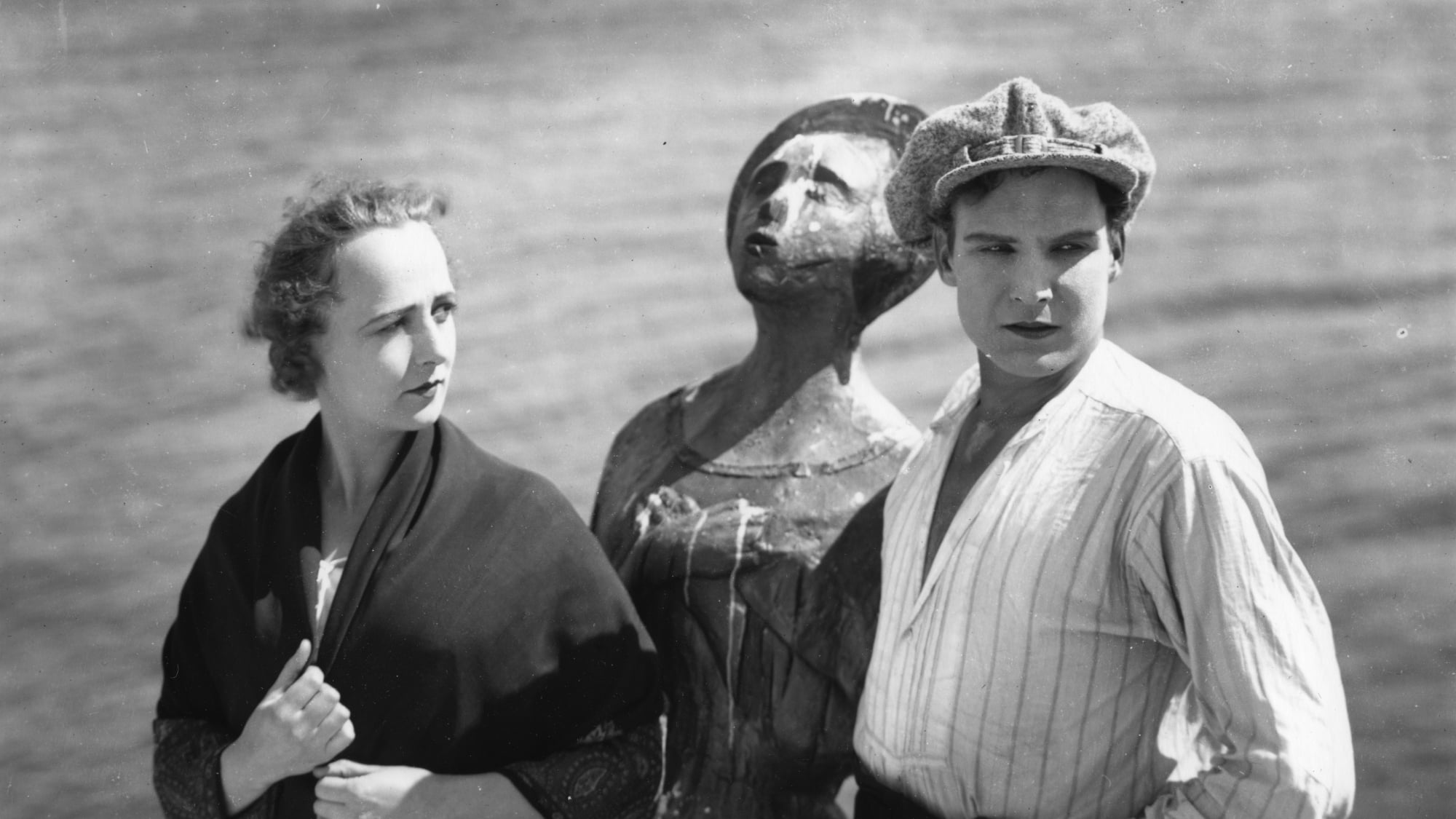
A Finnish gem, this film is a critical touchstone for fans of "folk horror." By incorporating themes of isolation, strange dreams, and the haunting iconography of the sea, it establishes a sense of dread that is distinctly "folk" in its delivery. While difficult to find, it remains a testament to the international reach of the horror impulse.
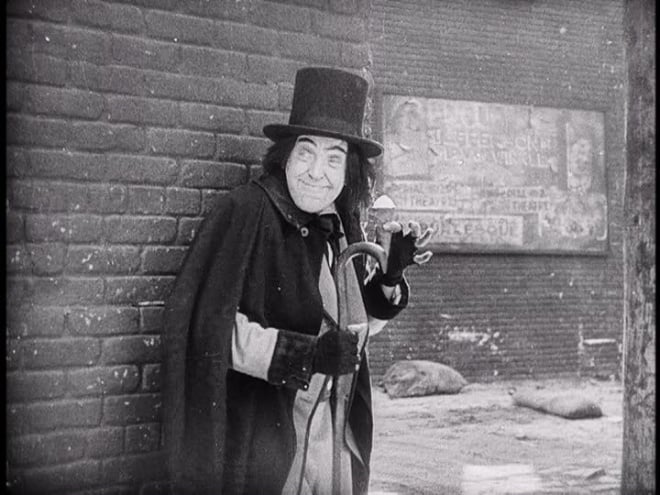
9. Prelude (1927)
Representing the avant-garde movement, Prelude is less a traditional narrative and more a visual poem. Focused on the fear of premature burial—a classic Gothic trope—the film uses the music of Rachmaninoff to drive its surreal, dreamlike imagery. It is a prime example of how silent film functioned as a medium for pure, unfiltered anxiety.
10. The Fall of the House of Usher (1928)
Jean Epstein’s adaptation of the Poe classic is perhaps the most atmospheric film on this list. Eschewing the frantic pacing of other adaptations, Epstein focuses on decay, melancholia, and the weight of history. It is a slow-burn masterpiece, perfect for those who appreciate the aesthetic side of the genre.
Supporting Data: The State of Silent Cinema
The preservation of these films is a Herculean task. According to the Library of Congress, an estimated 75% of American silent feature films are lost forever. The films listed above are not just entertainment; they are survivors.
- Availability: Of the estimated silent horror films released around the 100-year mark (circa 1926), only a handful of titles are preserved in high-quality, readily available formats.
- The "Talkie" Transition: Between 1927 and 1929, the industry pivoted rapidly to synchronized sound. This shift resulted in the abandonment of thousands of film reels, many of which were recycled for their silver content or destroyed due to the highly flammable nature of nitrate film.
- Restoration Costs: A full 4K restoration of a single silent feature can cost upwards of $100,000, depending on the damage to the original nitrate elements.
Official Responses and Preservation Efforts
Organizations such as the National Film Preservation Foundation (NFPF) and the Silent Film Association have issued statements emphasizing that silent film is a global heritage. "Silent movies are not a relic of the past," says one lead archivist, "they are the foundational grammar of modern visual storytelling. When we lose a silent film, we lose a piece of our collective cultural consciousness."
Many of these restorations are funded through public-private partnerships. Independent labels such as Terror Vision and Kino Lorber have become the industry standard for reviving these lost works, often commissioning new musical scores that breathe life into the silent performances, ensuring that they remain accessible to modern audiences.
Implications: Why Silence Still Speaks
The enduring power of silent horror lies in its universalism. Without the reliance on dialogue, these films rely on lighting, composition, and physical acting to communicate dread. This forces the viewer to engage with the frame on a deeper, more subconscious level.
The Influence on Modern Genre Tropes
- Visual Metaphor: The "Shadow of the Killer," famously used in Nosferatu, remains a staple of slasher films.
- Psychological Ambiguity: The Hands of Orlac pioneered the idea that the horror is not just in the environment, but within the protagonist’s own biology.
- The "Old Dark House": The template established by The Bat defined the pacing and structure for decades of haunted house cinema, from the 1940s RKO Val Lewton productions to contemporary films like The Conjuring.
As we move further into the 21st century, the distance between us and the silent era grows, yet the visceral impact of these films remains undiminished. By stepping outside the comfort zone of mainstream horror and exploring these foundational works, the viewer gains a much clearer understanding of how the genre—and indeed, cinema itself—learned to frighten, move, and inspire its audience.
On this Silent Movie Day, pick a film, dim the lights, and experience the art form that started it all. As the saying goes, "the more things change, the more they stay the same"—especially when it comes to the things that go bump in the night.