From Haitian Roots to Hollywood Icons: The Cultural Reclamation of the Zombie
The landscape of horror cinema has long been dominated by the shambling, flesh-eating ghoul—a figure that has become synonymous with mindless consumption and apocalyptic dread. However, a groundbreaking new documentary, Black Zombie, is poised to dismantle these pop-culture tropes, forcing audiences to confront the uncomfortable, buried history of one of cinema’s most profitable monsters. Directed by Maya Annik Bedward and distributed by Kino Lorber, the film serves as both a historical excavation and a contemporary reckoning, tracing the zombie’s evolution from a sacred spiritual figure in Haitian tradition to a distorted caricature in the annals of Western film.
The Genesis of a Cultural Reckoning: Black Zombie
Black Zombie is far more than a retrospective on genre tropes; it is an act of historical restoration. The documentary, which celebrated its world premiere at the 2026 SXSW Film Festival, meticulously peels back the layers of the "zombie" mythos to reveal its origins in the brutal reality of colonial-era Haiti.
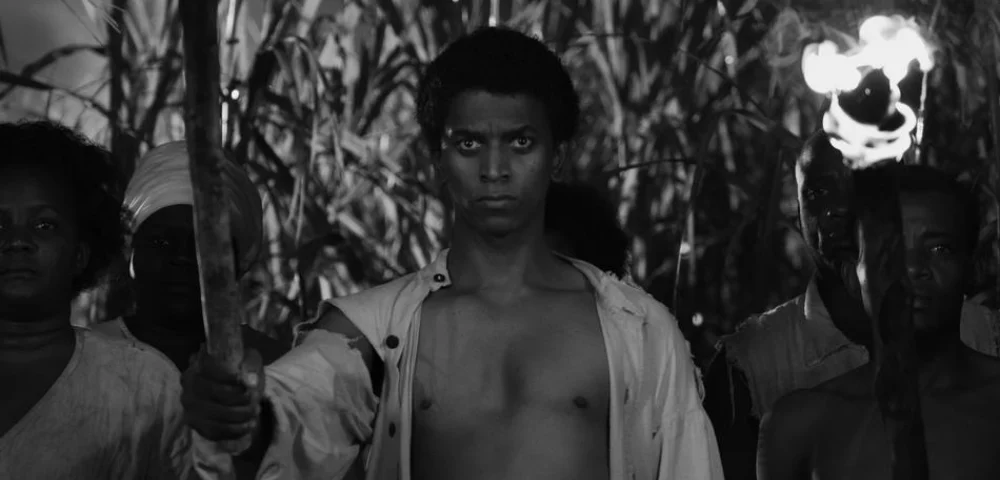
At its core, the film argues that the zombie was never intended to be a monster of mindless violence. Rather, it was a profound, living metaphor for the trauma of slavery—an embodiment of the loss of agency and the total theft of self under colonial subjugation. As Bedward explores, the figure was later appropriated, sensationalized, and sanitized by Hollywood to serve a different purpose: the creation of a profitable, "safe" bogeyman that effectively erased the authentic spiritual traditions from which it was born.
Chronology and Global Reach
The journey of Black Zombie has been marked by rapid critical acclaim. Following its debut at SXSW, the film has engaged audiences across the globe, bridging the gap between academia and genre fandom. Its current festival circuit includes:
- Fantasia Film Festival (Montreal): Two screenings scheduled for July 29 and July 31, 2026, at the Salle J.A. De Sèv.
- BlackStar Film Festival (Philadelphia): A highly anticipated screening on August 7, 2026, at the Suzanne Roberts Theater.
- National Theatrical Release: Kino Lorber will bring the documentary to select theaters across the United States beginning September 11, 2026.
Supporting Data: Deconstructing the Cinematic Canon
Bedward’s documentary does not merely rely on archival footage; it engages with a diverse array of voices to deconstruct the cinematic evolution of the undead. The film juxtaposes iconic works of horror—such as the 1932 classic White Zombie, George A. Romero’s genre-defining Night of the Living Dead, and Wes Craven’s The Serpent and the Rainbow—with verité scenes and expert testimony.
The roster of contributors highlights the film’s ambition to balance cultural history with genre appreciation. The documentary features insights from cultural historians and artists alongside legendary figures in the horror industry, including:
- Yves-Grégory Francois and Mambo Labelle Déesse: Providing essential context on Haitian spiritual practices.
- Slash: Offering a musician’s perspective on the cultural iconography of the monster.
- Tom Savini: The legendary special effects artist provides a technical look at how the zombie has been physically reimagined over the decades.
- Zandashé Brown: Providing contemporary commentary on the evolution of Black representation in horror.
By blending these perspectives, Black Zombie functions as a "horror remix," exposing how the figure of the zombie was transformed from a symbol of resistance into a vehicle for Western, capitalistic consumption.
The Implications of the "Zombie" Narrative
The implications of Black Zombie extend beyond the horror genre. By challenging the standard narrative of the zombie, Bedward invites the audience to consider how pop culture often "cannibalizes" marginalized histories. The film argues that when we view the zombie solely as a mindless monster, we participate in the continued erasure of the historical trauma associated with colonial slavery.
The documentary serves as a necessary intervention. It asks: Whose stories are being told, and at what cost to the cultures from which they were stolen? As the documentary moves into its wider theatrical release, it is expected to spark a broader conversation about the responsibilities of filmmakers and the power of cinema to either obfuscate or illuminate the truths of the past.
Expanding the Horror Landscape: Plucked and Accursed
While Black Zombie seeks to recontextualize the history of the genre, other upcoming releases demonstrate the sheer versatility of the horror landscape in late 2026 and early 2027.
Plucked: Gilded Age Chaos
Directed by the collaborative duo of Katie Vincent and Usher Morgan, Plucked offers a stark departure from supernatural horror, focusing instead on the rot inherent in high-society social structures.
- The Narrative: Set in Gilded Age New York, the film centers on Katherine Greene, whose attempt to divorce her emotionally unstable husband triggers a catastrophic breakdown during a high-stakes dinner party. The film explores themes of jealousy, revenge, and the fragility of appearances.
- Cast: The ensemble features Katie Vincent, Catherine Curtin (Stranger Things, Orange Is the New Black), J. Anthony Crane (Outer Banks), and Susan Gallagher (Cobra Kai, Loki).
- Release Information: Plucked is scheduled for a theatrical run in New York, Los Angeles, and Rhode Island on November 13, 2026, followed by a digital release on February 12, 2027.
Accursed: Ancient Rituals and Modern Terror
Rounding out the upcoming horror slate is Accursed, a supernatural thriller directed by Humberto Rosa and Brian Frank Visciglia. The film leans into the "cursed past" trope with a modern, high-stakes twist.
- The Premise: What begins as a routine 21st-birthday reunion at a lake house spirals into a nightmare when a nun’s buried secret surfaces. The protagonists find themselves hunted by a masked cult and facing a dark prophecy that threatens to unleash an ancient, malevolent force.
- Production and Cast: The film stars genre icon Danny Trejo alongside Gabriel Sousa, Paris Dylan, and Kira Cahill.
- Release Information: Accursed will bypass a traditional theatrical release in favor of a digital launch. It is set to arrive across the United States on July 24, 2026, through distributor Buffalo 8, with pre-orders currently open for interested viewers.
Synthesis: A Genre in Flux
The upcoming release schedule for the latter half of 2026 showcases a fascinating dichotomy in the horror genre. On one hand, we have documentaries like Black Zombie that utilize the medium to conduct an intellectual audit of our shared history, demanding that we look at the roots of our fears. On the other hand, narrative features like Plucked and Accursed continue the tradition of visceral, escapist storytelling, exploring the anxieties of social status and the terror of the occult, respectively.
For cinephiles, this period represents a maturation of the horror landscape. Whether through the lens of a historical documentary or the tension of a psychological thriller, the genre is proving itself to be an increasingly sophisticated tool for examining the human condition—from the systemic horrors of our past to the intimate, interpersonal betrayals of our present. As Black Zombie makes its way to the big screen, the conversation surrounding the "monsters" we create will undoubtedly become more complex, more nuanced, and significantly more necessary.