The Changing Equation: Why Japan’s Allure for Foreign Professionals is Facing a Structural Crisis
For decades, Japan has functioned as an alluring destination for international professionals, offering a unique societal bargain. Expats often accepted the realities of a demanding, high-pressure corporate culture and stagnant salary growth in exchange for the "Japan premium": world-class public infrastructure, an exceptionally low crime rate, an accessible cost of living compared to global hubs like London or New York, and a culinary landscape that is arguably the best in the world.
However, as of late 2026, that long-standing calculus is fundamentally fracturing. A perfect storm of macroeconomic instability, inflationary pressures, and a series of legislative pivots regarding immigration policy has left many long-term residents questioning their future in the archipelago.
The Human Element: Staying Put Amidst Uncertainty
Take the case of Shikhambri Chhabra and her husband, who are currently raising their two sons—one born in India and one in Japan—in their Osaka home. Their story serves as a microcosm for the modern expatriate experience in Japan. While they remain deeply embedded in their local community and have no current intentions to uproot their family, they represent a demographic that is increasingly looking over its shoulder.
Families like the Chhabras are navigating a transition period where the stability they once took for granted is being replaced by a sense of legislative and economic fragility. Their commitment to Japan reflects a desire for the cultural richness and safety the country offers, yet it stands in contrast to the growing number of expatriates who are beginning to weigh the cost of staying against the benefits of relocating to more lucrative, or perhaps more predictable, markets.
A Chronology of the Shift
The current discontent among the foreign community did not happen overnight; it is the result of a compounding series of events over the last 24 months.
- Early 2025: The persistent weakness of the yen begins to hit home for expatriates who have financial obligations or retirement savings tied to foreign currencies. The "earning power" of the Japanese salary begins to dwindle on the global stage.
- Late 2025: As inflation enters the domestic economy, the price of imported goods—from electronics to food staples—rises sharply, ending the era of extreme affordability.
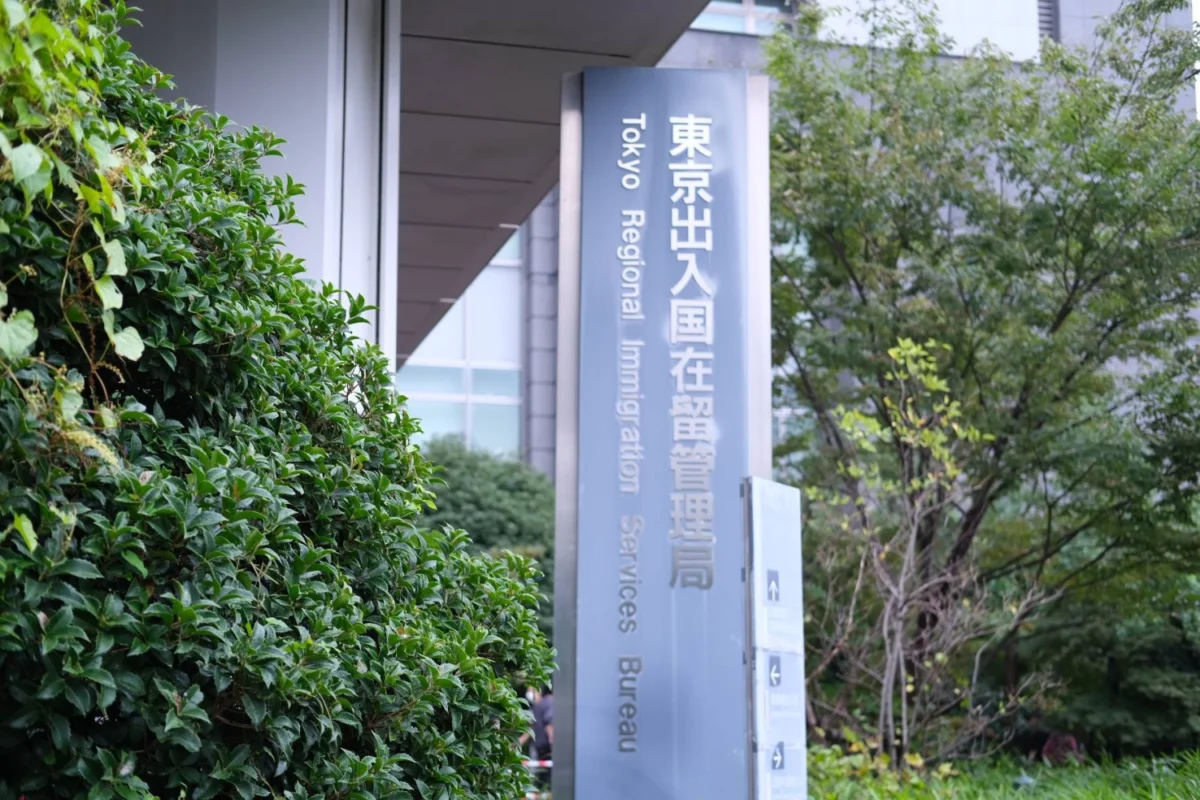
- August 2026: The Japanese government announces a sweeping review of immigration policy, including new powers that allow for the revocation of permanent residency based on specific criteria, such as tax compliance and income thresholds.
- September 2026: The introduction of significantly higher visa and permanent residency processing fees sends a clear signal: the era of incentivizing foreign talent through low barriers to entry is effectively over.
The Economic Erosion: Inflation and the Yen
The most immediate catalyst for the shift in sentiment is the economic reality. For years, the Japanese yen’s stability—or even its historical strength—provided a safety net for foreign workers. The current, sustained depreciation of the currency has effectively served as a pay cut for anyone with international ties.
Furthermore, the "affordability advantage" is shrinking. Reports of rising rents in major metropolitan areas like Tokyo and Osaka, combined with the rising cost of utilities and imported energy, have eroded the disposable income of the middle class. While Japan has historically been an island of price stability, it has not been immune to the global inflationary trends that have defined the post-pandemic era.
Legislative Tightening: A Shift in Governance
Perhaps more unsettling than the economic data is the perceived shift in the government’s stance toward foreign residents. Recent policy maneuvers, including the introduction of stricter requirements for permanent residency and the legislative ability to revoke such status, have created a climate of anxiety.
Critics argue that these measures, while framed as efforts to improve tax compliance and ensure "social order," fundamentally alter the social contract. For highly skilled professionals—the very people the government has claimed to want to attract—the prospect of having their residency status tethered to shifting bureaucratic requirements makes Japan a less attractive long-term destination.

"When you move to a country, you want to feel that if you follow the rules and contribute, you have a home," says one expatriate working in the tech sector in Tokyo. "When the rules for permanent residency are suddenly in flux, that sense of security evaporates."
Official Responses and Strategic Intentions
The Japanese government, led by a cautious bureaucracy, maintains that these changes are necessary for long-term stability. Officials have consistently framed the new fee structures as a means to offset the administrative costs of an aging society and to ensure that all residents—foreign or domestic—are contributing their fair share to the national social security system.
Regarding the new powers to revoke permanent residency, the Ministry of Justice has stated that these measures are intended to target bad-faith actors and ensure that the permanent residency status remains a privilege rather than a right. However, human rights groups and foreign business chambers have expressed concern that the implementation could be opaque, potentially leading to arbitrary decisions that disproportionately impact vulnerable foreign workers.
The Implications for Japan’s Future
The implications of these changes are profound. Japan faces a demographic crisis that requires a constant influx of young, skilled, and energetic talent. If the perception of Japan shifts from an "open, safe haven" to a "restrictive, expensive, and uncertain" jurisdiction, the country risks losing the "war for talent" to neighbors like Singapore, South Korea, or even Western hubs that have recently relaxed their own immigration pathways.
1. Brain Drain and Talent Retention
If high-earning foreign professionals continue to perceive a decline in their quality of life, the country may see a steady exodus of the very individuals who are currently driving innovation in its startup and corporate sectors.
2. The Cultural Impact
The presence of a diverse, international community has been a quiet engine of growth for Japan’s tourism, hospitality, and educational sectors. A reduction in the foreign population would not only hurt these industries but also threaten the cosmopolitan evolution of cities like Tokyo, Osaka, and Fukuoka.
3. Long-term Economic Competitiveness
Ultimately, if Japan cannot provide a predictable and rewarding environment for foreign labor, it will struggle to integrate into the global economy at the pace required to maintain its standard of living. The "Japan premium" is a brand; if the brand loses its shine, the country’s ability to project influence on the global stage will inevitably decline.
Conclusion: A Crossroads
Japan stands at a critical juncture. It must decide whether it wants to lean into its role as a global participant that welcomes international talent, or if it will choose a more insular path. The current trajectory suggests a tightening of the gates, a move that may satisfy certain political constituencies in the short term but could inflict long-term damage on the country’s demographic and economic health.
For families like the Chhabras, the choice to stay is a testament to the intangible value of the Japanese lifestyle. But for the thousands of others currently calculating their future, the math is no longer working in Japan’s favor. Unless there is a concerted effort to balance national security concerns with a more welcoming, stable, and transparent policy framework, the "Japan experience" may soon be viewed by the global workforce as a chapter of the past, rather than a destination for the future.