The Croisette Comes Alive: Film Comment’s Deep Dive into the Cannes 2026 Opening Surge
The 79th Cannes Film Festival has officially commenced, transforming the sun-drenched French Riviera into the global epicenter of cinema. As the red carpet unfurls for another year of artistic ambition, the Film Comment editorial team has established a permanent base on the Croisette to provide comprehensive, rigorous coverage. This year’s festival promises to be a watershed moment in contemporary filmmaking, boasting a competitive lineup that balances the return of established auteurs with the meteoric rise of provocative new voices.
The State of the Festival: A Program of Ambition
Cannes 2026 enters the fray with high expectations, following a year of industry-wide soul-searching regarding the future of the theatrical experience. The festival’s selection committee has curated a slate that seems designed to answer those questions with a resounding commitment to the medium. With highly anticipated premieres from heavyweights such as Ryūsuke Hamaguchi, Valeska Grisebach, James Gray, and Paweł Pawlikowski, the festival is operating at a peak intensity that feels both nostalgic and refreshingly innovative.
In our inaugural podcast for this year’s edition, Film Comment editor Devika Girish joined contributing editors Jonathan Romney and Beatrice Loayza to dissect the opening days. The conversation, serving as a pulse-check for the festival’s critical temperature, navigated the complex terrain of the opening night selections and the early breakout titles of the Directors’ Fortnight.
Chronology of the Opening Acts
The initial days of the festival provided a stark contrast between established industry aesthetics and the avant-garde sensibilities that characterize the Directors’ Fortnight.
The Electric Venus (Pierre Salvadori)
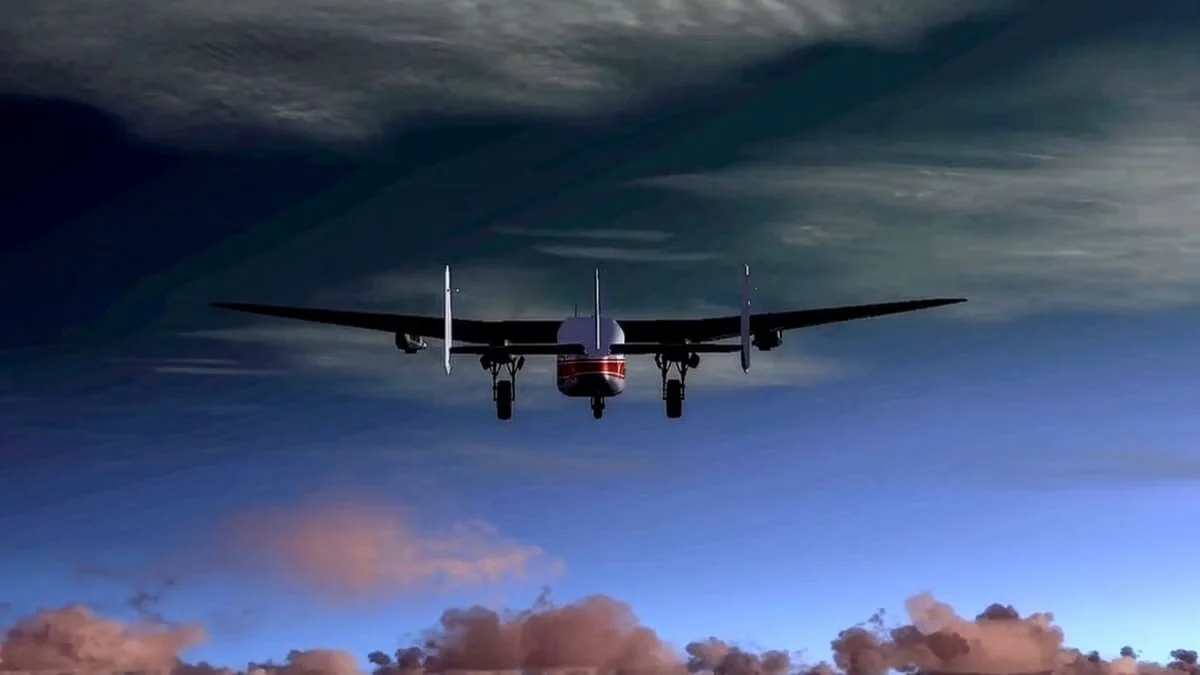
The festival opened with Pierre Salvadori’s The Electric Venus, a film that immediately set a tone of stylistic fluidity. Our critics engaged in a robust debate regarding the film’s narrative structure and its effectiveness as an opener. While Salvadori is no stranger to the festival circuit, The Electric Venus presents a challenging entry point, one that asks the audience to reconcile traditional romance tropes with a modern, almost glitch-like digital aesthetic.
Butterfly Jam (Kantemir Balagov)
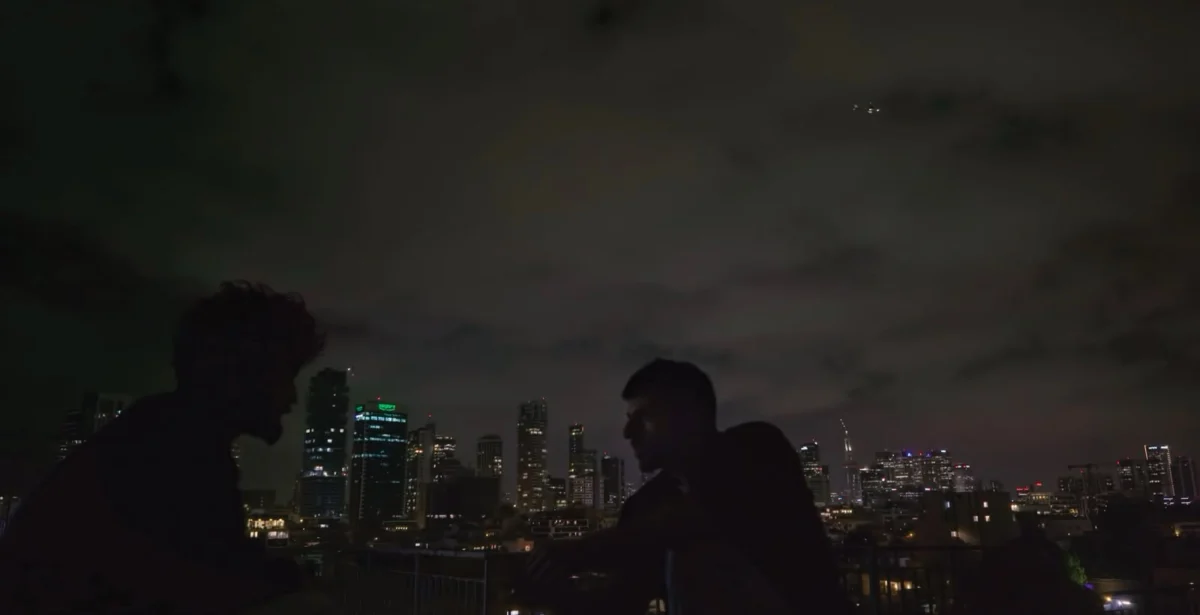
The energy shifted dramatically with the premiere of Kantemir Balagov’s Butterfly Jam, which served as the curtain-raiser for the Directors’ Fortnight. Balagov, whose previous work has consistently pushed the boundaries of emotional endurance, continues his exploration of trauma and resilience in this new feature. The Film Comment team noted the film’s visceral impact, highlighting its visual language as a standout in the early days of the festival.
Teenage Sex and Death at Camp Miasma (Jane Schoenbrun)
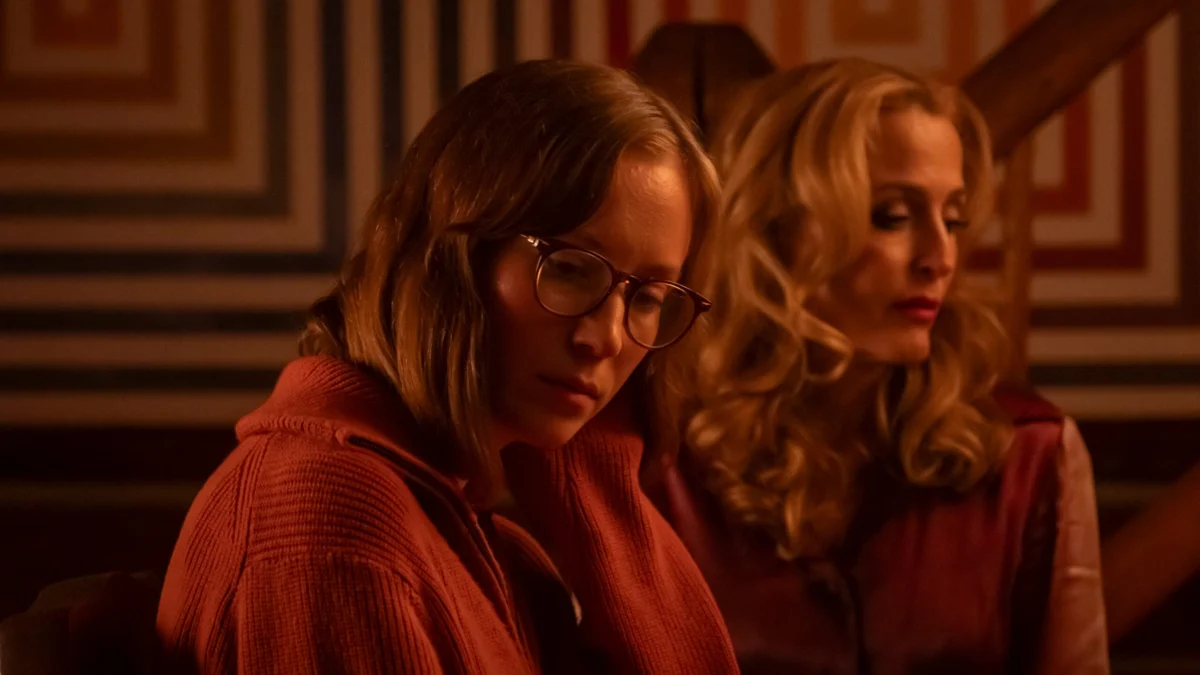
Perhaps the most discussed film of the opening weekend has been Jane Schoenbrun’s Teenage Sex and Death at Camp Miasma. Following their previous successes in capturing the digital-age malaise, Schoenbrun has pivoted toward a genre-bending narrative that is as polarizing as it is compelling. Romney and Loayza explored how the film effectively weaponizes nostalgia, turning the "summer camp" horror subgenre into a vessel for existential inquiry.
A Woman’s Life (Charline Bourgeois-Tacquet)
Finally, the team turned their attention to Charline Bourgeois-Tacquet’s A Woman’s Life. In a shift from the more kinetic energy of the previous selections, this film offers a meditative, character-driven study that tests the audience’s patience in the best possible way. The critique centered on the film’s precise pacing and the lead performance, which anchors the narrative’s more abstract emotional beats.
Supporting Data: The Cannes Critics’ Grid
The Film Comment podcast is part of a broader, data-driven approach to the festival. This year, we have introduced a revamped "Cannes Critics’ Grid," a collaborative effort that tracks the consensus of international journalists on every competition film. By aggregating these scores, we aim to move beyond subjective impressions and toward a clearer understanding of how the jury—led by this year’s president—might perceive the landscape of contenders.
Early data from the Grid suggests that this year’s competition is remarkably fractured; there is no clear consensus leader yet. This lack of a "frontrunner" is often a hallmark of a strong festival, indicating a diverse array of cinematic languages that are challenging the jury to compare apples with oranges.
The Auteur Landscape: Who to Watch
While the opening films have dominated the headlines, the anticipation for the remainder of the fortnight is palpable. The inclusion of Ryūsuke Hamaguchi—whose meticulous approach to human interaction has made him a festival darling—is particularly notable. His ability to turn long-form dialogue into high-stakes drama makes his upcoming screening one of the most guarded secrets on the Croisette.
Similarly, the presence of Valeska Grisebach suggests a shift toward the observational realism that she has mastered over the past decade. The festival is not merely a showcase for "big" films; it is a laboratory for filmmakers who are redefining the boundaries of documentary-inflected fiction.
Official Responses and Institutional Sentiment
Festival officials have remained tight-lipped regarding the reception of the opening films, but there is a sense of institutional relief that the 2026 edition has launched without the technical disruptions that plagued recent industry events. The organizers have emphasized that this year’s theme is "Cinematic Continuity," a nod to the necessity of preserving the history of film while fostering the next generation of visual storytellers.
The general sentiment among the press corps is one of cautious optimism. While the costs of attendance and the logistical hurdles of the festival remain a point of friction, the quality of the programming has effectively silenced the skeptics who feared a decline in the festival’s prestige.
Implications for the Future of Cinema
What does the first week of Cannes 2026 imply for the global film industry? First, the prominence of films like Teenage Sex and Death at Camp Miasma suggests that "digital-native" storytelling is no longer a fringe movement; it is a central pillar of contemporary arthouse cinema. Directors are increasingly comfortable blending high-concept genre tropes with the intimate, often uncomfortable, realities of modern life.
Second, the reception of Butterfly Jam and The Electric Venus underscores a growing appetite for films that do not provide easy answers. The audience is clearly eager for cinema that requires active participation—a direct reaction, perhaps, to the passive consumption patterns incentivized by the rise of home-streaming algorithms.
Finally, the festival’s commitment to a diverse, international slate—with voices hailing from every continent—remains its most vital function. In a world of increasing cultural silos, the Croisette remains one of the few places where a filmmaker from Japan, a director from Russia, and a critic from the United States can engage in a unified discourse around a shared set of images and sounds.
Looking Ahead
As the festival progresses, the Film Comment team will continue to provide daily updates, bridging the gap between the chaotic excitement of the red carpet and the quiet, analytical space of the screening room. We encourage our readers to follow our daily Podcasts, where we will dive into the nuances of each competition entry, interview the filmmakers behind the curtain, and keep a watchful eye on the shifting fortunes of the films as they move from the premiere stage to the awards conversation.
The road to the Palme d’Or is long, and the path is often littered with unexpected turns. From the high-concept horror of Schoenbrun to the introspective dramas of Bourgeois-Tacquet, the story of Cannes 2026 is only just beginning. Join us as we navigate the complexities of this year’s slate, and stay tuned for our upcoming coverage of the festival’s mid-point milestones.
For full access to our extensive coverage, including the Cannes Critics’ Grid and exclusive interviews, subscribe to the Summer 2026 issue of Film Comment and sign up for The Film Comment Letter today.