The Cinematic Renaissance: How Hollywood Defied the Odds and Found Its Groove Again
For years, the narrative surrounding the theatrical industry was one of inevitable decline. With the rise of high-quality streaming, the lingering shadow of the pandemic, and the pervasive distraction of the smartphone, analysts and studio heads alike whispered that the movie theater was becoming a relic—a vestige of a bygone era.
Today, that skepticism has been replaced by a resounding, popcorn-scented roar of approval. From the sold-out IMAX screenings of Christopher Nolan’s The Odyssey to the unprecedented success of micro-budget horror, the silver screen is not just surviving; it is thriving.
The Fever for the Big Screen: A Cultural Reset
IMAX CEO Richard Gelfond recently found himself the subject of intense social solicitation, not for his professional influence, but for his access. "I’ve gotten calls from people I haven’t talked to in years!" Gelfond says with a chuckle. "It’s pretty apparent the prospect of getting Odyssey tickets in IMAX has reunited me with old friends — and made me new ones."
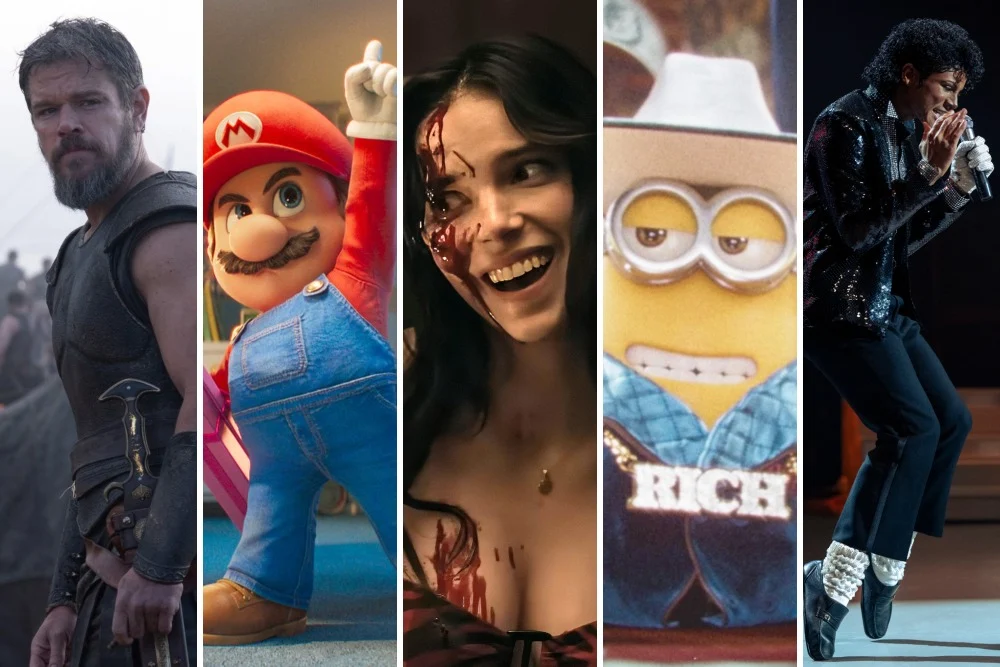
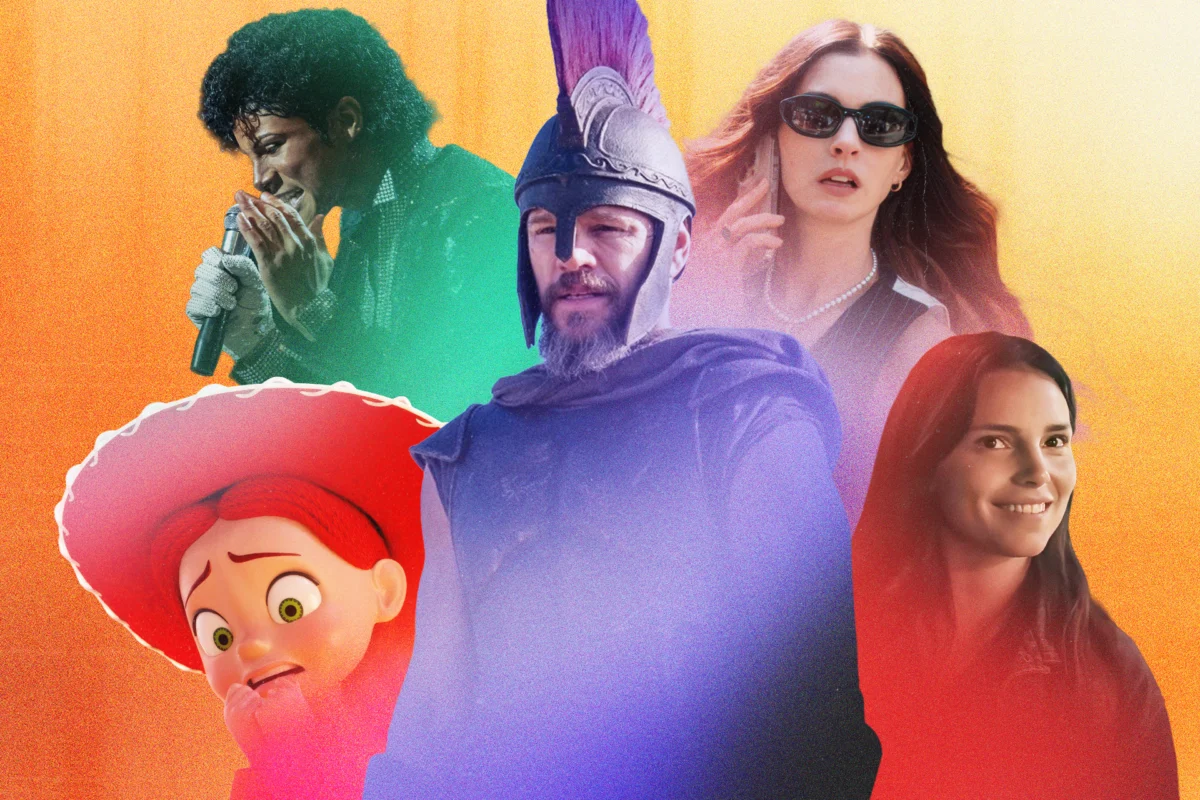
The frenzy surrounding The Odyssey—shot entirely with IMAX cameras—is emblematic of a broader shift. Audiences are no longer content with the "couch-and-click" convenience of streaming. They are hungry for the communal, immersive experience that only a theater can provide. This "Homer fever," as industry insiders call it, is mirrored across the board: whether it’s the dance-along energy of Michael, the high-fashion fervor for The Devil Wears Prada 2, or the communal terror of Obsession, moviegoers have returned to their local cinemas in droves.

Chronology of the Comeback: From Lockdown to Boom
The road to this renaissance was anything but linear. Following the 2020 lockdowns, the industry suffered a protracted "hangover." While brief sparks like Spider-Man: No Way Home (2021) and Top Gun: Maverick (2022) suggested potential, the momentum was cruelly halted by the 2023 labor strikes.
"We lost momentum," says Peter Levinsohn, chairman of global distribution for Universal Entertainment. "We not only shut down production, but we essentially shut down marketing and promotion. It takes a lot of time to reboot the whole thing."
However, by 2026, the gears of production had finally synced up. The industry saw a return to a healthy output of 115 to 120 wide releases, rivaling the banner year of 2019. This stability allowed for a diverse slate of films—from billion-dollar blockbusters like The Super Mario Galaxy Movie to cerebral epics like Project Hail Mary—to populate the multiplex, ensuring that there was something for every demographic.
Supporting Data: The Numbers Behind the Surge
The resurgence is backed by hard data. According to Rentrak, yearly domestic grosses are trending toward the $10 billion mark for the first time since the pandemic. Perhaps more significantly, the audience demographic has skewed younger, debunking the myth that Gen Z and millennials have abandoned the theater.

A recent Fandango report indicates that 87% of Gen Z and 82% of millennials attended at least one theatrical screening in the past 12 months. This generation, often characterized as "digital natives," has proven to be the primary driver of the theater’s resurgence.
The "popcorn bucket economy" also offers a tangible metric of success. What began as a viral novelty with Dune: Part Two has evolved into a $100 million revenue stream. From designer-style handbags for The Devil Wears Prada 2 to elaborate Trojan horses for The Odyssey, these collectibles have transformed movie-going into a social media-ready event, with some items commanding double their retail price on the secondary market.
Official Responses: The Shift in Studio Strategy
The success of 2026 has forced a recalibration in how studios greenlight projects. The "greed vs. fear" dynamic, as described by Project Hail Mary co-director Christopher Miller, is currently favoring greed—in the best sense.
"When people make decisions out of fear, they make conservative choices that feel like things that have come before," Miller notes. "What we’re finding is people don’t want to see the thing they’ve seen 100 times before. They want to see something new."

This sentiment is echoed by studio executives. Josh Greenstein, co-chair of Paramount Pictures, emphasizes the importance of the 45-day theatrical window: "The audience needs to understand the only place they can see a film for the first 45 days is in a movie theater. There’s no ‘Let me just wait’ if they want to be part of the conversation."
The End of the Superhero Hegemony
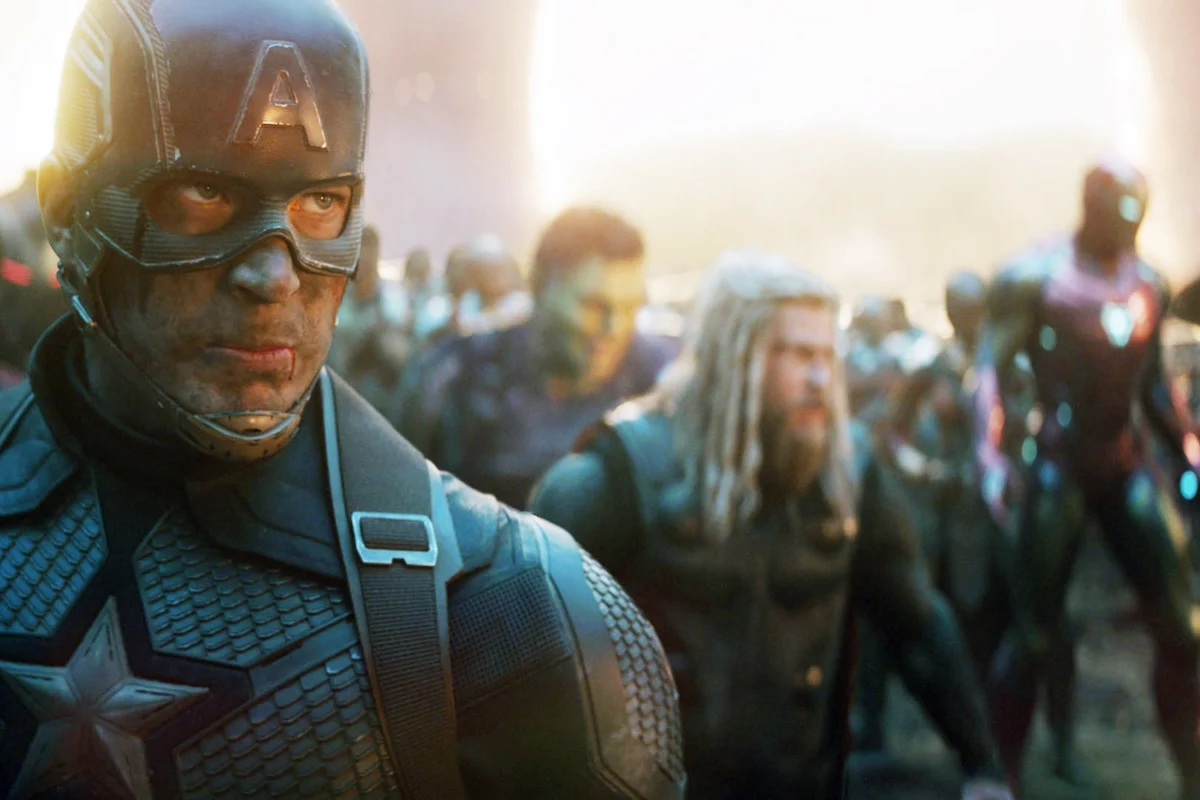
Perhaps the most telling sign of the industry’s maturation is the cooling of the superhero genre. While established names like Spider-Man remain gold, films centering on lesser-known comic book protagonists—such as Thunderbolts—have faltered. The failure of Supergirl and the Star Wars spinoff The Mandalorian and Grogu underscores a critical reality: brand recognition is no longer a substitute for quality and freshness.
"The common thread in terms of what’s working is freshness and excellence," says Phil Lord, co-director of Project Hail Mary. "There’s always an appetite for great movies."
Implications: The Rise of the Internet Auteur
The most profound implication of this era is the emergence of a new breed of filmmaker. Directors like Curry Barker (Obsession) and Kane Parsons (Backrooms)—who rose to prominence on YouTube—are bringing a unique, direct relationship with their audience to the big screen.

These creators understand that modern audiences can "sniff out" cynicism. Their work is characterized by a passion that connects with younger viewers, leading to massive profits against minuscule budgets. Obsession, for instance, turned a $750,000 budget into a $426 million global powerhouse.
However, industry veteran Jason Blum warns against treating this as a simple "get-rich-quick" scheme. "It’s not just about finding people who are popular on YouTube and throwing a bunch of money at them," Blum cautions. "The directors of Backrooms and Obsession toiled over their scripts for years. The movies have to be good."
Future Challenges: Mergers and Market Diversity
Despite the current optimism, storm clouds remain on the horizon. The looming merger of Warner Bros. and Paramount Skydance has industry leaders like Michael O’Leary, head of Cinema United, deeply concerned. "One of the legacy studios that has been a pillar of this industry for over 100 years is going away," O’Leary says. "When you have mergers like this, production goes down… and that is exactly what this industry doesn’t need."
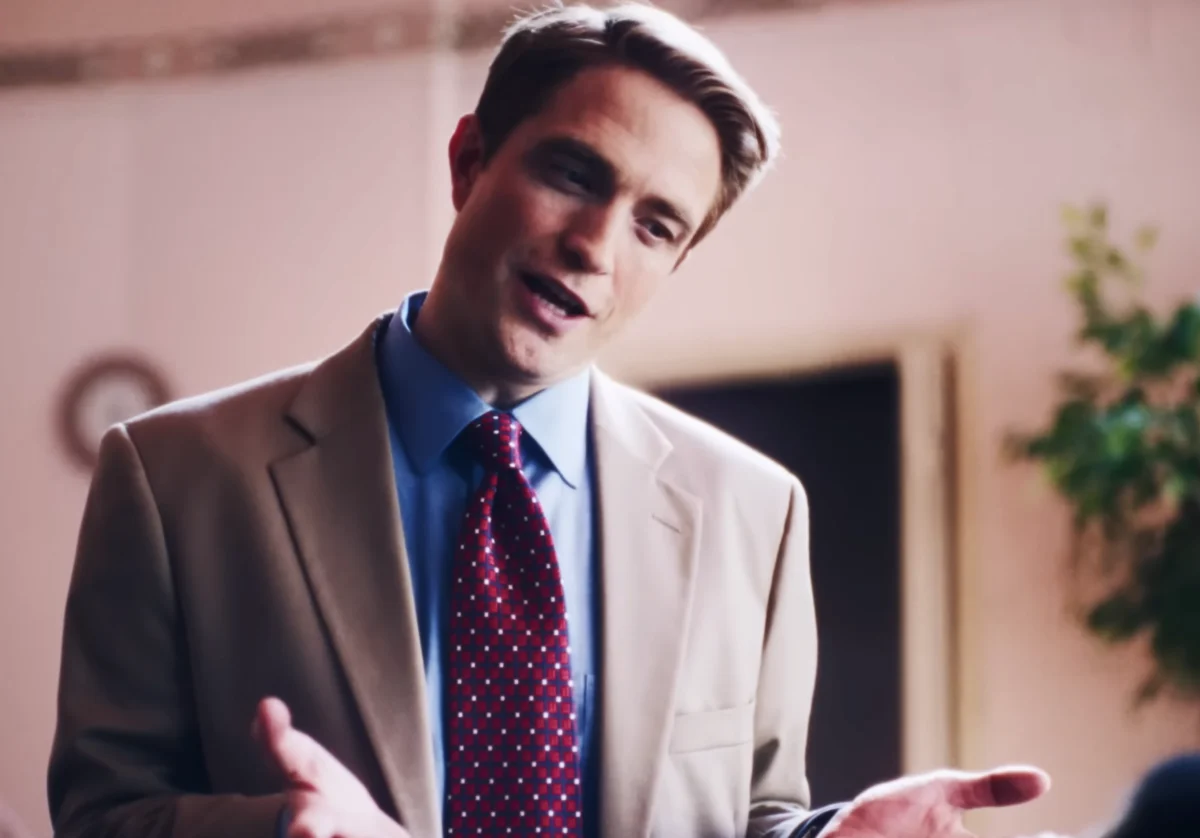
Furthermore, the industry is still struggling to engage older demographics—specifically audiences over 40. While films like The Devil Wears Prada 2 reached a broad base, niche dramas targeting older viewers have frequently underperformed.

As Aline Brosh McKenna, writer of The Devil Wears Prada 2, notes, "Male audiences are still the default, and I think that does the audience a disservice. Women drive a lot of socializing, so I think there’s never enough geared toward them."
Conclusion: A New Era of Cinema
We are currently witnessing a pivotal moment in film history, similar to the 1960s or the indie movement of the early 1990s. The old order is not necessarily collapsing, but it is being forced to evolve.
As Courtenay Valenti of Amazon MGM Studios puts it, "We have to be very forward-looking, stay nimble and keep innovating, because the audiences of 2026 are not like they were in 2018 or 2019."
The theatrical experience, long feared to be on the brink of extinction, has found its salvation in the very thing it was supposed to have lost: the human desire for connection. Whether it’s through a shared scream in a horror film, a laugh in a comedy, or the awe of a massive IMAX screen, the cinema remains the place where culture congregates. As long as Hollywood continues to prioritize freshness and passion over algorithmic safety, the silver screen will remain the heartbeat of global entertainment.