Resonance in Motion: Malaysia International Film Festival (MIFFest) Celebrates Ninth Edition with Landmark ASEAN Recognition
The cinematic landscape of Southeast Asia has officially reached a new milestone. On July 18, the ninth annual Malaysia International Film Festival (MIFFest) commenced its highly anticipated eight-day run at the MyTown Shopping Centre in Kuala Lumpur. More than just a gathering of cinephiles, this year’s iteration serves as a testament to the growing influence of Malaysian storytelling on the global stage, underscored by a prestigious certification from ASEAN Records that solidifies the festival’s status as a premier hub for regional cinema.
The Opening Gala: A Convergence of Stars and Strategy
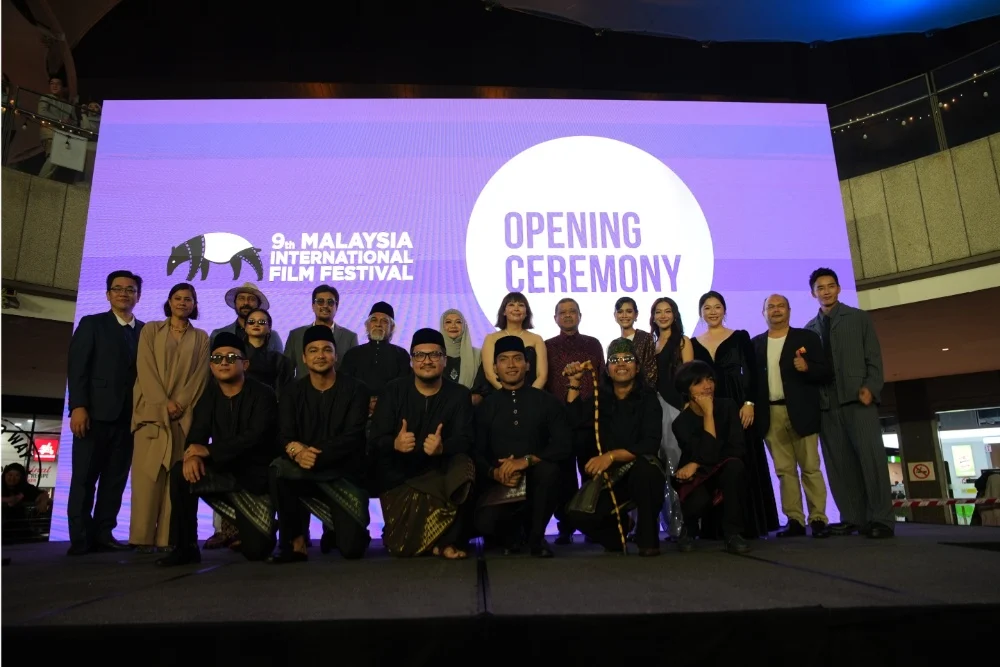
The opening night was a vibrant display of glamour and gravitas. As the sun set over Kuala Lumpur, the red carpet at MyTown played host to an eclectic mix of industry titans, emerging filmmakers, and international stars. The atmosphere was charged with the kind of artistic electricity usually reserved for the world’s oldest festivals, signaling that MIFFest has officially graduated into a major player in the international festival circuit.
At the heart of the proceedings was Joanne Goh, the festival’s founder and president. Accompanied by this year’s trio of charismatic ambassadors—Bront Palarae, Daiyan Trisha, and Jack Tan—Goh set the tone for the week with a keynote address that transcended the standard formalities of opening night.
"This year, our theme is ‘Resonance,’" Goh stated, her voice carrying through the auditorium. "Resonance is the lasting echo of a story. It is the emotion that remains long after the credits roll, the conversations that continue beyond the cinema, and the connections that film creates across cultures, generations, and borders."
The event drew heavy hitters from the governmental and cultural sectors, including Datuk Manoharan Periasamy, chair of Tourism Malaysia; Datuk Bahria Mohd Tamil, deputy secretary general at the Ministry of Communications; and Datuk Azmir Saifuddin Mutalib, CEO of the National Film Development Corporation Malaysia (FINAS). Their presence underscored the symbiotic relationship between Malaysia’s thriving creative industry and its cultural diplomacy efforts.
Chronology of a Landmark Achievement: The ASEAN Records Recognition
The centerpiece of the opening ceremony was a historic moment for the festival: the official presentation of the ASEAN Records title. This recognition celebrates the success of the festival’s "ASEAN On Screen" platform and its associated Malaysia Golden Global Awards (MGGA).
The timeline of this achievement traces back to 2025, when "ASEAN On Screen" was first conceptualized during Malaysia’s ASEAN chairship. Designed as a permanent, annual pillar of MIFFest, the platform was envisioned as a sanctuary for Southeast Asian narratives—stories that often struggle to find a foothold in the global commercial market. By earning the ASEAN Records distinction, MIFFest has effectively codified its mission to serve as a bridge between the diverse, fragmented film industries of Southeast Asia and the broader international audience.
"When we introduced ASEAN On Screen, our vision was to create a lasting platform where the stories of Southeast Asia could be celebrated, discovered, and shared with the world," Goh remarked while accepting the honor. "Through cinema, we hope to continue connecting our diverse voices with international audiences and inspiring future generations of storytellers."
"Baga: Tomorrow Belongs To No One": A Raw Cinematic Premiere
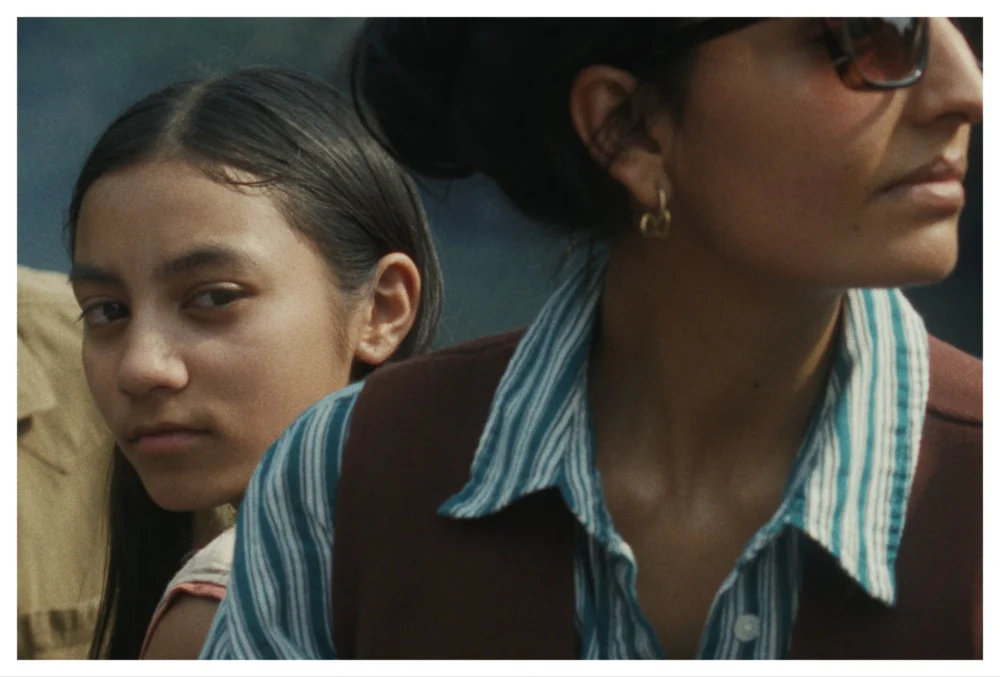
Following the formal ceremonies, the festival pivoted to the emotional core of the program: the world premiere of Baga: Tomorrow Belongs To No One. Directed by Ariff Zulkarnain, the film is a stark, unflinching look at the realities of life in a devout fishing community on Malaysia’s East Coast.
The narrative, which follows two young lovers, Jani and Melur, serves as a poignant exploration of how systemic issues like poverty and addiction can derail even the most innocent of dreams. When an unplanned pregnancy strikes, Jani is forced into the illicit drug trade, a decision that ripples through the community. Zulkarnain, who drew heavily from his own upbringing to craft the screenplay, brings an authenticity to the screen that is both painful and vital.
The premiere was attended by a robust delegation, including executive producer Shafiq Yusof, actor Syafiq Kyle, and Cambodian actress Sarita Reth. The presence of such a diverse, cross-border cast reflects the very ethos of the festival—using local, grounded stories to spark a regional and international dialogue.
Supporting Data: A Diverse and Expansive Program
Beyond the glitz of the red carpet, the ninth edition of MIFFest is characterized by a sprawling, ambitious program that spans various geographical and thematic strands. The organizers have clearly prioritized a mix of commercial appeal and intellectual rigor.
One of the standout additions this year is the "Russian Film Week," organized in collaboration with the Ministry of Culture of the Russian Federation, Roskino, and Mosfilm. By offering free screenings of four distinct Russian films, the festival aims to lower the barrier to entry for international cinema, encouraging audiences to engage with cultural narratives that might otherwise remain inaccessible.
The festival’s thematic strands for 2024 include:
- ASEAN On Screen: A showcase of the best regional talent and storytelling.
- Hong Kong Cinema in Flux: An exploration of the evolving identity of one of the world’s most iconic film industries.
- New Rhythms of Indian Cinema: A deep dive into the modern stylistic shifts within the subcontinent’s massive production landscape.
- Open Air Cinema: A community-focused initiative designed to bring the magic of film to public spaces.
- Masterclasses and Industry Forums: Educational components designed to foster the next generation of Malaysian film talent.
Official Responses and Strategic Implications
The government’s support for the festival is not merely ceremonial. Datuk Manoharan Periasamy of Tourism Malaysia emphasized that MIFFest is a key driver in the country’s "creative industry and cultural diplomacy" strategy. By positioning Malaysia as a nexus for international filmmakers, the government hopes to stimulate the local economy, attract international production crews, and boost tourism.
Furthermore, the involvement of FINAS (National Film Development Corporation Malaysia) points to a larger national strategy: the professionalization of the Malaysian film industry. Through masterclasses and industry forums, the festival serves as a laboratory for local filmmakers to interact with international veterans, creating a feedback loop of skill-sharing and networking.
The recognition by ASEAN Records is, in many ways, the ultimate validation of this strategy. It signals that Malaysia is no longer just a location for foreign shoots; it is a center of intellectual and artistic authority in the region.
Implications for the Future: A Lasting Echo
As the festival continues through July 25, the impact of "Resonance" remains the primary takeaway. In an era dominated by rapid-fire streaming content and short-form social media clips, MIFFest is doubling down on the value of the theatrical experience. By bringing international directors, actors, and industry leaders to Kuala Lumpur, the festival is creating a "lasting echo"—the very thing Goh described in her opening speech.
The long-term implications are twofold. Firstly, for the Malaysian film industry, this festival acts as a launchpad for local creators to find global distribution. Secondly, for the ASEAN region, it serves as a unifying cultural force. By celebrating commonalities in struggle, heritage, and ambition through the lens of cinema, MIFFest is contributing to a more cohesive, albeit diverse, regional identity.
As audiences depart the screening rooms of MyTown over the coming days, they will carry with them the stories of Baga, the lessons of the masterclasses, and the connections forged in the dark of the cinema. The ninth MIFFest is more than a series of screenings; it is a declaration that Malaysian cinema has arrived, and it is here to stay.
With the festival running until July 25, the momentum is expected to build, culminating in the announcement of awards that will likely influence the festival circuit for the remainder of the year. For the organizers, the success of this edition is just the beginning—a foundational layer upon which the tenth, and perhaps even larger, anniversary will be built.